


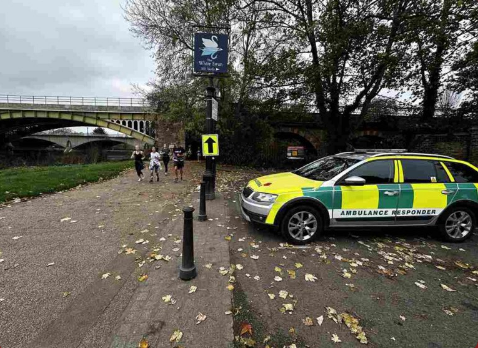
Critical patient transfers require precision, compassion, and expert coordination. Whether moving a patient from one hospital to another, transferring them to a specialist facility, or ensuring safe travel during a medical emergency, patient transport professionals play a vital role in maintaining continuity of care. Their work goes far beyond simply transporting someone from point A to point B—they act as a crucial bridge between medical environments, ensuring patients remain stable, comfortable, and emotionally supported throughout the journey. With advanced training, proper equipment, and a patient-centred approach, these professionals make critical transfers safe, smooth, and efficient.
Understanding the Nature of Critical Transfers
A critical transfer often involves patients with unstable conditions, complex medical needs, or urgent health concerns that require constant monitoring. These transfers must be handled with extreme caution, and every decision matters—from the choice of vehicle and equipment to the level of medical supervision required. Patient transport professionals begin by conducting a comprehensive assessment of the patient’s condition, ensuring that the right resources are prepared well before the journey begins. This proactive planning reduces risk, minimises delays, and ensures the patient receives consistent medical attention throughout the transfer.
Advanced Equipment to Ensure Stability
During critical transfers, having the right medical equipment is essential. Modern patient transport vehicles are equipped with advanced tools such as cardiac monitors, defibrillators, oxygen support systems, ventilators, infusion pumps, and emergency medications. These allow transport teams to stabilise patients and respond instantly to changes in their condition. The presence of advanced equipment ensures that the patient receives the same level of medical support during the transfer as they would in a hospital setting. This continuity of care is especially important for patients suffering from cardiac emergencies, respiratory distress, severe trauma, or neurological conditions.
Skilled Professionals With Specialised Training
Patient transport professionals undergo extensive training that prepares them to handle high-pressure medical situations. Many teams include paramedics, emergency medical technicians (EMTs), critical care nurses, or advanced care practitioners who are trained in life support, airway management, trauma care, and emergency decision-making. Their expertise allows them to interpret vital signs, administer medication, perform emergency procedures, and communicate effectively with receiving hospitals. These skills are especially crucial during critical transfers, where even small delays or misjudgments can affect patient outcomes. Their calm, confident approach provides reassurance to both the patient and their family.
Smooth Coordination Between Medical Facilities
Critical transfers require seamless coordination between the transferring and receiving medical teams. Patient transport professionals act as the communication link, ensuring that all necessary clinical details—including the patient’s condition, treatment plans, medical history, and ongoing needs—are passed along accurately. This coordination ensures that the receiving team is prepared to take over as soon as the patient arrives, reducing transition times and preventing gaps in care. Effective communication helps avoid confusion, ensures timely interventions, and improves the overall safety of the transfer process.
Ensuring Patient Comfort and Emotional Support
Critical transfers can be stressful and frightening for patients, especially when they are already feeling unwell or anxious. Patient transport professionals understand this emotional aspect and make it their priority to provide reassurance, empathy, and clear communication. They check in regularly, explain what is happening, and ensure the patient feels safe and cared for. Soft-spoken communication, gentle handling, and a calm environment all contribute to reducing stress. For many patients, this emotional support is just as valuable as the medical care provided during the journey.
Precision in Monitoring and Emergency Response
Throughout the transfer, continuous monitoring is essential. Professionals keep a close watch on vital signs such as heart rate, blood pressure, oxygen levels, and respiration. If a patient’s condition changes—even slightly—they respond immediately with stabilisation techniques, medication adjustments, or advanced interventions, depending on the situation. Their ability to handle unexpected medical events ensures that patients remain stable throughout the journey, regardless of the distance or complexity of the transfer. This constant vigilance is what makes critical transfers safe and dependable.
Safe, Efficient, and Well-Planned Transport Logistics
Critical patient transfers require far more than medical expertise—they require strategic logistical planning. Transport teams select the fastest routes, avoid heavy traffic, and prepare contingency plans for unexpected delays. Vehicles are checked thoroughly to ensure all equipment is functional and properly stocked. This level of preparation ensures the journey is efficient and free of unnecessary complications. For long-distance transfers, teams carefully plan rest points, communication updates, and additional medical support as needed. All these measures combine to create a smooth, uninterrupted transfer experience.
Supporting Families Through the Process
Families often experience high levels of stress when their loved one needs a critical transfer. Patient transport services help by providing clear instructions, regular updates, and reassurance. Their professionalism and empathetic communication help ease the emotional burden. Knowing that skilled experts are handling the transfer with care allows families to focus on supporting their loved one instead of worrying about the logistics or medical risks involved.
Conclusion
Critical patient transfers are among the most sensitive and demanding tasks in healthcare, requiring expertise, preparation, and compassion. Patient transport professionals excel in these areas by providing specialised medical support, advanced equipment, careful coordination, and emotional reassurance. Their dedication ensures that patients receive uninterrupted, high-quality care during transitions between medical facilities. With a blend of skill, care, and commitment, they make every critical transfer safe, efficient, and deeply patient-centred—ultimately ensuring better outcomes and greater peace of mind for patients and their families.

 English
 Arabic
 French
 Spanish
 Deutsch
 Turkish
 Dutch
Dutch
 Italiano
 Russian
 Romaian
 Portuguese (Brazil)
 Greek
Greek