


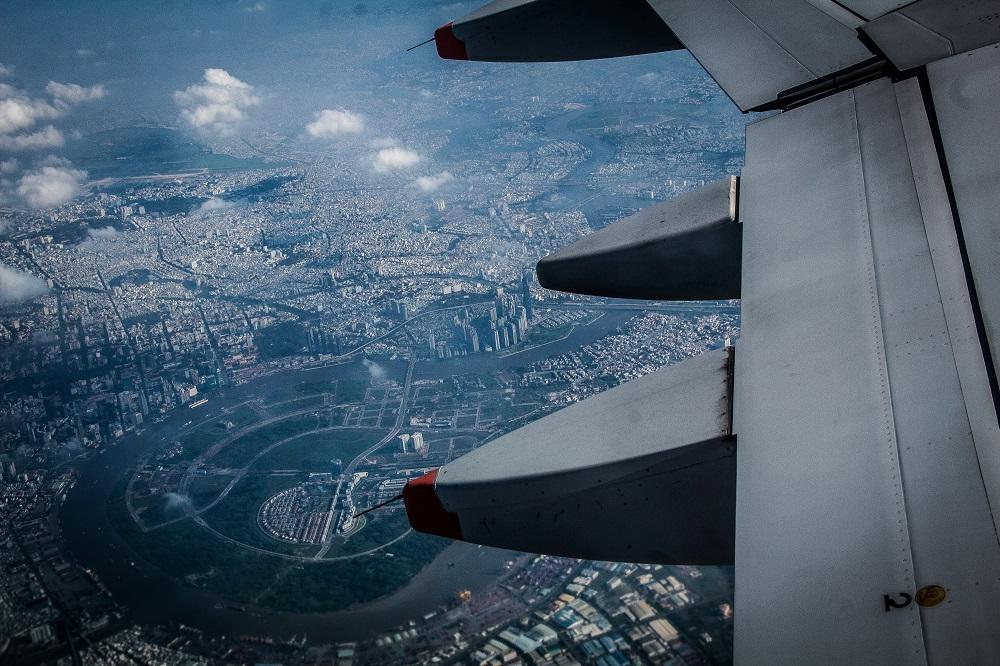
There is a specific sensation known to every pilot called "spatial disorientation." It occurs when the weather closes in, the horizon disappears, and the inner ear sends conflicting signals to the brain. In these moments, a pilot might feel like they are flying level when they are actually in a steep dive. Financial anxiety produces a nearly identical psychological effect. When the bills pile up and the income fluctuates, we lose sight of the horizon. We rely on our gut feelings panic, dread, avoidance rather than the instruments in front of us.
Recovering your peace of mind requires a shift from emotional flying to instrument flying. It involves accepting that turbulence is simply a change in airflow, not a guarantee of a crash. By viewing yourself as the Commander of your own aircraft, you can detach from the fear of the fall and focus on the physics of the recovery. The goal is not just to stop the descent, but to re-establish a stable cruising altitude where the engines run efficiently and the view ahead is clear.
Heeding the Stall Warning
In an aircraft cockpit, there are varied alarms designed to capture the pilot's attention, but none is more urgent than the stall warning. This indicates that the wings are losing lift and the plane is struggling to stay airborne. In your financial life, this alarm often triggers a visceral physical reaction a spike in heart rate and a tightening of the stomach when you check your accounts.
For many, this specific moment of panic arrives when they log in to discover a negative bank balance, a stark red indicator that their liquidity has stalled. The immediate instinct is to freeze or look away, but a pilot knows that freezing is fatal. This red number is not a judgment of your piloting skills; it is simply a data point indicating that the angle of attack is too steep. It requires immediate, calm correction applying thrust (cutting costs or finding funds) and leveling the nose to regain lift. Acknowledging this warning without shame is the first step toward preventing a spin.
Contacting Air Traffic Control
There are weather systems that are simply too severe to navigate alone. When an engine is sputtering or the fuel is critically low, a good pilot does not let pride prevent them from declaring an emergency. They contact Air Traffic Control to request a new vector or emergency assistance. They understand that the primary mission is the safety of the vessel, not the preservation of the ego.
If your debt load has become so heavy that you cannot maintain altitude despite your best efforts, it is time to radio for help. Enrolling in a professional credit card debt relief program acts as your external navigation support, guiding you through a controlled descent rather than a catastrophic crash. These services can negotiate with creditors to lower the pressure, effectively stabilizing the situation so you can land, refuel, and prepare to fly again. While this choice alters your flight path and may ground you temporarily in terms of credit access, it is a strategic decision made to save the airframe from total structural failure.
Reducing Drag: The Aerodynamics of Spending
To fly efficiently, an aircraft must minimize drag. Drag is the resistance that pulls the plane backward and forces the engines to work harder to maintain the same speed. In our financial lives, drag is created by "lifestyle creep" the subscriptions we don't use, the premium services we don't need, and the unconscious spending habits that stick to the hull of our budget.
When you are in recovery mode, you must streamline the fuselage. This isn't about punishing yourself; it is about physics. Every dollar of "drag" you eliminate is a dollar of "thrust" you can apply to your recovery. The psychological relief of traveling light is immense. You realize that much of the "cargo" you were carrying expensive habits, status symbols was actually slowing you down. By jettisoning this excess weight, you allow your financial engine to operate at peak efficiency with less effort.
Engaging Autopilot: Preventing Pilot Fatigue
Flying a plane manually for hours on end is exhausting. Fatigue leads to errors, and in finance, a single missed payment can cause turbulence in your credit report. The most effective pilots rely on automation to handle the routine tasks, freeing their minds to focus on the bigger picture and weather patterns ahead.
You can achieve this same mental clarity by engaging your financial autopilot. Set up automatic transfers for your savings and automatic payments for your bills. When the machinery of your finances is humming in the background, you no longer wake up in the middle of the night wondering if you forgot a due date. The system is flying the plane. You are simply monitoring the gauges. This reduction in cognitive load is essential for reducing long-term stress.
Reading the Black Box: The Post-Flight Review
After a difficult flight, pilots debrief. They look at the data to understand what happened. Was it a mechanical failure? Pilot error? Unexpected weather? In finance, this means looking at your credit report and spending history with a clinical, detached eye.
This "Black Box" review is not an exercise in regret. It is an educational tool. By analyzing the patterns that led to the turbulence, you can adjust your future flight plans to avoid those specific storm cells. Maybe you realize you are prone to overspending on weekends, or that you didn't have enough emergency fuel (savings) for a repair. identifying these patterns empowers you. You stop being a victim of "bad luck" and start becoming a master of your own logistics.
The Destination: Filing a New Flight Plan
Finally, a pilot never takes off without a destination. If you are just flying to "avoid crashing," you will eventually run out of fuel. You need a positive coordinate to lock onto. What is the destination? Is it a debt-free life? A home with a runway (driveway) of your own? Early retirement?
Visualizing the destination gives you the endurance to handle the rough air. When the ride gets bumpy, you don't panic because you know where you are going. You understand that the turbulence is just a temporary layer of atmosphere between you and the clear, blue skies of financial freedom.
Conclusion
Financial turbulence is inevitable, but it does not have to result in a crash. By respecting the stall warnings, willing to call in support when the load helps becomes too heavy, and relying on the aerodynamics of a streamlined budget, you can regain control of the stick. You are the Captain. Trust your instruments, follow the protocol, and keep your eyes on the horizon. The sky is clearing ahead.
FAQs:
1. What fees are associated with a negative bank balance?
When your balance drops below zero, banks typically charge an "overdraft fee" or "insufficient funds" (NSF) fee. These fees can range from $25 to $35 per transaction. If you have multiple pending transactions, you could be hit with multiple fees in a single day, digging the hole deeper. Some banks also charge a "sustained overdraft fee" if the account remains negative for several days.
2. Does debt relief affect my taxes?
Yes, it can. The IRS generally considers forgiven debt as taxable income. If a creditor agrees to settle a $10,000 debt for $4,000, they have "forgiven" $6,000. You may receive a Form 1099-C at the end of the year, and you might have to pay income tax on that $6,000, unless you qualify for an "insolvency" exclusion.
3. Is it better to close a bank account that has a negative balance?
You usually cannot close an account while it is negative. The bank will require you to bring the balance to zero before closing it. If you abandon the account, the bank will eventually close it (charge it off) and report you to ChexSystems, which acts like a credit bureau for banks. This can prevent you from opening a new checking account at other banks for up to five years.
4. How does the "debt snowball" method work?
The debt snowball method is a repayment strategy where you list your debts from smallest balance to largest balance, regardless of interest rate. You pay minimums on everything else but throw every extra dollar at the smallest debt. When it's paid off, you roll that money into the next smallest. This method is psychologically powerful because it gives you quick wins and builds momentum.
5. Can I use a credit card for emergency expenses while in debt recovery?
It is strongly advised against. The goal of recovery is to break the cycle of borrowing. If you use a credit card for emergencies, you are digging a new hole while trying to fill the old one. This is why building a small cash emergency fund (even just $500 or $1,000) is a critical first step, so you can handle unexpected repairs without reverting to credit.

 English
 Arabic
 French
 Spanish
 Portuguese
 Deutsch
 Turkish
 Dutch
Dutch
 Italiano
 Russian
 Portuguese (Brazil)
 Greek
Greek