


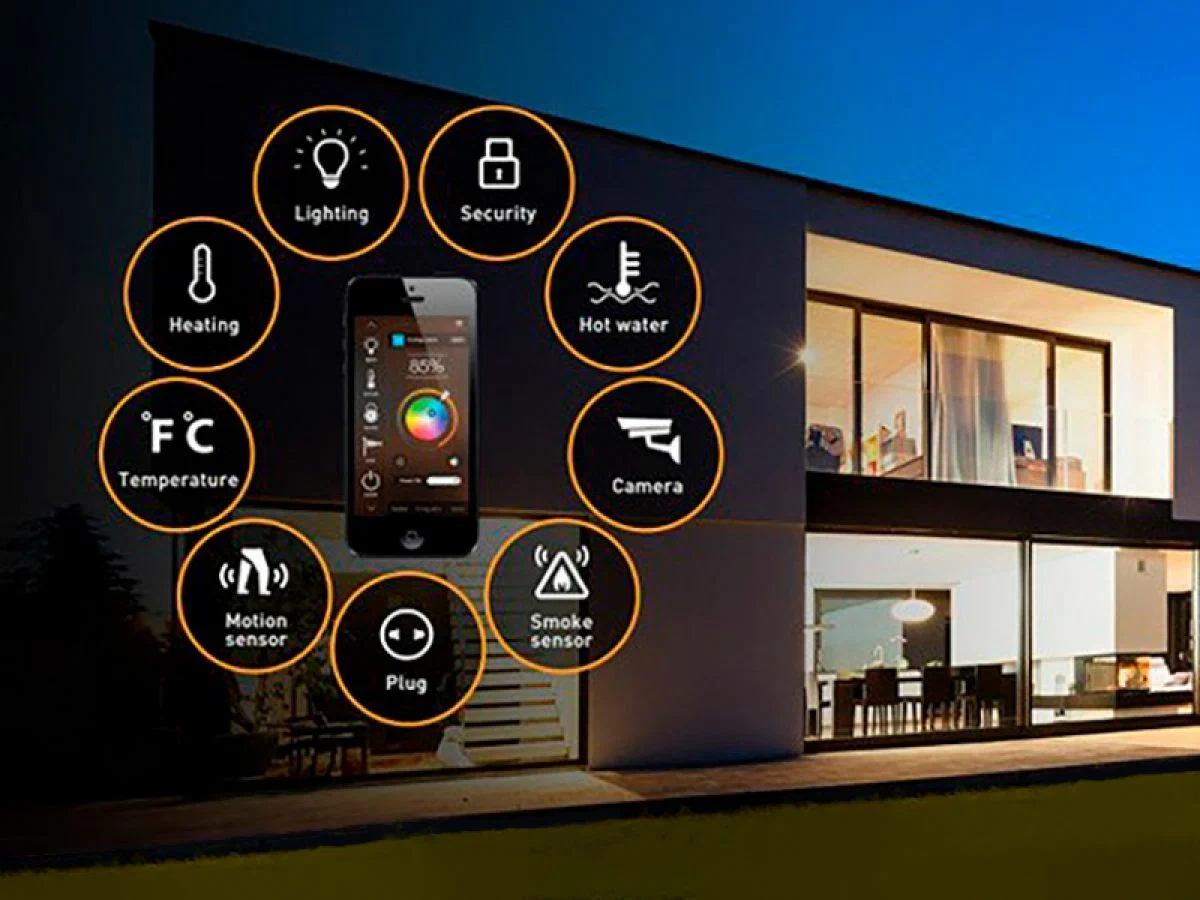
Smart home installation is the process of turning isolated smart devices into a coherent ecosystem that improves everyday life. Done thoughtfully, it enhances comfort, security, accessibility, and energy efficiency. However, poorly planned installations can lead to incompatibility, phantom notifications, and unreliable automation. This guide unpacks the strategy, architecture, and user-focused design principles behind successful smart home installation projects, with attention to real-world trade-offs that homeowners and integrators face.
What it means to install a “smart home”
A smart home installation links sensors, actuators, and controllers so they behave as a single system. It is not merely buying a handful of gadgets; it’s about selecting standards, designing the network, planning for life-cycle maintenance, and architecting automations that make sense. Typical smart home projects include lighting automation, climate control, entry and security systems, motorized window treatments, media distribution, and energy management. The goal of a proper installation is a predictable, secure, and upgradeable environment.
Laying the foundation: network architecture and device topology
The most common reason for unstable smart systems is a weak network foundation. A successful smart home installation begins with a robust home network: a reliable router, managed Wi-Fi points or wired Ethernet where possible, and separate SSIDs or VLANs for IoT devices to minimize cross-traffic issues. Mesh Wi-Fi often works well for multi-story homes but must be planned to avoid dead zones. For latency-sensitive devices, wired connections to hubs or controllers reduce jitter and improve responsiveness.
Choosing standards: Matter, Zigbee, Z-Wave, Wi-Fi, and Bluetooth
Standards selection influences compatibility, range, and power consumption. Low-energy protocols like Z-Wave and Zigbee are ideal for battery-powered sensors, while Wi-Fi suits cameras and bandwidth-heavy devices. The rise of Matter promises cross-vendor interoperability and simplifies smart home installation decisions, but adoption varies across device types. Installers typically design a hybrid approach: use IP-based devices where bandwidth matters, and low-power mesh protocols for sensors and locks.
Security and privacy: device hardening and access control
Security cannot be an afterthought. Smart home installation must enforce strong passwords, unique provisioning between devices, and network segmentation for IoT. Enable two-factor authentication for cloud accounts, and where possible favor local-control automations that do not rely on external cloud services. For camera and access logs, configure retention and encryption policies to protect occupants’ privacy. Installers should document procedures for firmware updates and for revoking device access when property ownership changes.
User experience and voice control
Many homeowners expect voice control, but voice is just one facet of the experience. A successful smart home installation provides multiple control paths: mobile apps, physical switches with smart capability, voice assistants, and simple wall-mounted touch panels for guests or less-tech-savvy family members. Thoughtful installations map common tasks to intuitive flows, such as “Goodnight” scenes that lock doors, turn off lights, and set the thermostat.
Automation design: useful, predictable, and reversible
Automations must be designed for real life. Too many rules cause unexpected behavior, and too few rules fail to deliver value. Best practices recommend starting with a small set of reversible automations—like presence-based lighting or time-of-day shade schedules—and iterating based on real usage. Keep automations transparent: label triggers, maintain a change log, and provide easy overrides for occupants.
Integration of core systems: HVAC, security, and lighting
Integrating climate control, security, and lighting creates synergy. For example, occupancy sensors can inform HVAC setbacks, while security alarms can trigger lighting and camera recording. A professional smart home installation includes coordination across trades—HVAC technicians, electricians, and network installers—to ensure clean integration without conflicting control logic.
Accessibility and aging-in-place considerations
Smart home installation is particularly powerful for accessibility. Voice-enabled controls, automatic door operators, medication reminders, and intelligent lighting that adapts to mobility needs can significantly improve quality of life. Installers working on accessibility projects should consult occupational therapists and end-users to align automations with daily routines.
Energy management and sustainability
Smart home installations that include energy monitoring and shade control can yield measurable savings. Real-time energy dashboards, combined with demand-response-compatible thermostats and scheduled appliance control, help homeowners shift loads away from peak pricing and reduce consumption. For solar homes, smart inverters and battery storage integration becomes part of the installation plan.
Commissioning, documentation, and training
Professional smart home installation must include commissioning: testing each device, verifying automations, and documenting network credentials and device locations. Homeowner training is crucial—provide concise guides for common tasks, password management best practices, and how to restore the system after a power outage. Well-prepared documentation reduces support calls and improves long-term reliability.
Maintenance and lifecycle planning
Devices age, standards change, and firmware updates modify behavior. An installation plan should specify which devices require regular updates, which components are modular and upgradeable, and a recommended replacement cycle for batteries and sensors. Consider warranty and support tiers so homeowners know when to call for professional service.
Common pitfalls to avoid
Avoid buying devices without checking compatibility, relying solely on cloud services for critical automations, and ignoring mechanical realities such as door clearances or HVAC ducting that influence automation effectiveness. Another frequent error is underestimating voice assistant fragmentation; having multiple voice ecosystems without a clear plan leads to inconsistent user experiences.
Cost considerations: budgeting and value
Smart home installation budgets vary widely. A baseline system may be modestly priced, but whole-home installations with professional-grade HVAC integration, multi-zone audio, and security systems can be a significant investment. Value comes from reduced energy bills, increased comfort, and property value uplift. Discussing phased rollouts allows homeowners to prioritize high-impact automations first and expand over time.
Selecting the right integrator
Choose integrators who demonstrate full-stack capability—network, electrical, security, and automation platforms. Ask for references and a sample commissioning document. The best integrators provide a clear roadmap for future upgrades and prioritize local control, privacy, and device interoperability.
Conclusion
Smart home installation is a serious systems project that rewards planning and professional execution. A successful installation delivers intuitive control, reliable automations, and long-term maintainability. By prioritizing network foundations, standards compatibility, security, and human-centered automation design, homeowners can create homes that are comfortable, efficient, and resilient.

 English
 Arabic
 French
 Spanish
 Portuguese
 Deutsch
 Turkish
 Dutch
Dutch
 Russian
 Romaian
 Portuguese (Brazil)
 Greek
Greek