



Italian kitchens operate from a philosophy that's fundamentally different from how most designer kitchen approaches work. When Italians designed their kitchens over generations they weren't thinking about trends or making spaces look Instagram-worthy. They were thinking about how to prepare food efficiently while the family gathered around. Italian kitchens prioritize functionality and human connection over aesthetic statements. The design choices come from practical experience not design school theory. That grounded approach creates kitchens that actually work beautifully instead of just looking beautiful while being difficult to use.
The thing about Italian kitchens is that they tend to be smaller and more intentionally organized than designer kitchen spaces. Italians developed cooking techniques that work in compact areas because most homes had limited space. Everything in Italian kitchens has a purpose. The layout flows logically from prep to cooking to serving. There's minimal wasted movement. Compare that to some designer kitchen projects where aesthetics drive layout decisions and you end up with appliances in weird places. Italian kitchens came from solving real problems over centuries. Designer kitchen trends change every few years. That's the fundamental difference between time-tested and fashion-driven.
The materials used in traditional Italian kitchens tell you something about their priorities. Terracotta tiles. Wood cabinetry. Stone countertops. Cast iron. These materials were chosen because they work well and age beautifully not because they're trendy. Italian kitchens improve with use and time. The patina on aged wood and stone tells a story. A designer kitchen using trendy materials might look dated within five years. Italian kitchens look better after twenty years of use. That's what comes from building spaces meant to last generations instead of spaces meant to impress people for the short term.
Why Designer Kitchen Approaches Often Miss What Actually Makes Kitchens Work
A designer kitchen typically starts with aesthetic vision. Someone imagines how the space should look and works backward to make that vision happen. The style drives the decisions. Minimalist designer kitchen spaces have clean lines and hidden storage even if that makes cooking awkward. Maximalist designer kitchen projects display every appliance and decorative element creating visual impact but practical chaos. Industrial designer kitchen spaces feature exposed brick and concrete because it looks cool not because it works better. These aesthetic-first approaches create spaces that photograph well but sometimes don't function smoothly for actual cooking and living.
The problem with many designer kitchen projects is that they treat the kitchen as an art installation rather than a working room. Professional designers sometimes prioritize visual impact over usability. A designer kitchen might have beautiful custom cabinetry that's awkward to access daily. It might feature premium appliances arranged for appearance rather than logical workflow. The countertops look stunning but are impractical for actual food prep. These compromises happen because designer kitchen thinking values aesthetics over function. That's backwards from how people actually live. You spend more time using your kitchen than admiring it. The space should work first and look beautiful as a result of that functionality.
That said some designer kitchen professionals do get it right. They understand that great design serves function first and creates beauty as a natural outcome. These designers study how people actually cook and move through kitchens. They ask questions about your real needs instead of imposing their vision. They make intentional choices about every element from appliance placement to lighting to storage. A designer kitchen done by someone who understands this philosophy can be genuinely exceptional. The difference is whether the designer is serving ego or serving you. Good designer kitchen work comes from ego-free thinking about what actually serves the people using the space.
How Italian Kitchens And Designer Kitchen Approaches Can Actually Work Together
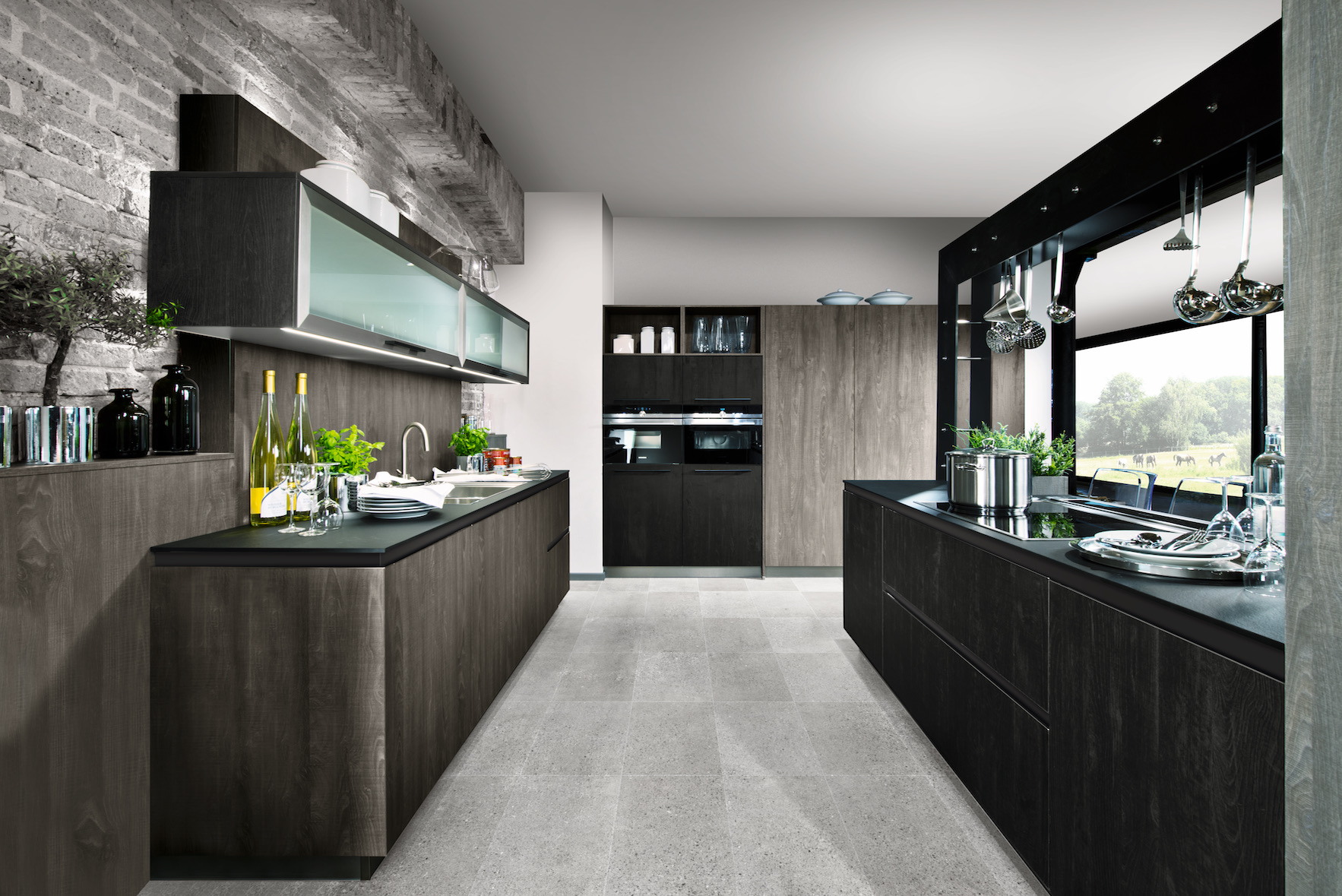
Here's where things get interesting. You can take the philosophy behind Italian kitchens and apply it to modern designer kitchen creation. That means starting with how you actually cook and building the design around that reality. It means choosing materials that age beautifully and work hard. It means creating logical flow instead of aesthetic drama. That approach creates designer kitchen spaces that are both beautiful and functional instead of spaces that compromise one for the other. The best designer kitchen projects borrow Italian thinking about practicality and timelessness.
The materials in a well-designed Italian-inspired designer kitchen might be contemporary but chosen for similar reasons Italians chose their materials. You want things that develop character with use. Natural wood that gains patina. Stone that weathers beautifully. Quality stainless that doesn't show fingerprints. These choices in a modern designer kitchen create spaces that look good immediately but look even better after years of living in them. That's completely different from trendy materials in designer kitchen projects that look tired within five years. You're building for longevity not fashion cycles. Italian kitchens understood this intuitively. Modern designer kitchen professionals should understand it intentionally.
The layout and flow considerations matter enormously whether you're creating an Italian kitchen or a designer kitchen. The triangle between sink, stove, and refrigerator should work efficiently in either case. You should be able to prepare food without excessive movement. You should have adequate counter space for your actual cooking style. Storage should be accessible and organized. These practical considerations apply across all kitchen design approaches. An Italian kitchen handles these intuitively. A designer kitchen should handle them intentionally. When they do, your kitchen works beautifully regardless of style. When they don't you're dealing with compromises daily.
Making Choices Between Italian Kitchen Authenticity And Designer Kitchen Contemporary Expression
Some people genuinely want authentic Italian kitchens because they love Italian culture and cooking. That's a legitimate choice. You're creating a space that reflects actual Italian tradition. You're using materials and layouts that Italians developed through centuries of cooking. Your kitchen looks and feels like Italian kitchens you've experienced in Italy or in Italian restaurants. There's authenticity and cultural integrity in that choice. It's not trendy. It's not trying to look fashionable. It's just honest Italian kitchen design applied to your home.
Other people want designer kitchen spaces that incorporate Italian influences without being strictly traditional. You might have clean modern Italian kitchens with updated appliances but the same practical philosophy underneath. Or you might want a designer kitchen interpretation of Italian aesthetics using contemporary materials and technology. These hybrid approaches let you capture what works about Italian kitchens while adding modern conveniences. You get logical layouts and beautiful materials that age well. You add dishwashers and smart appliances that weren't available to traditional Italian kitchens. That's a legitimate approach when done thoughtfully.
The honest assessment comes down to how you actually cook and what appeals to you visually. If you love Italian culture and authentic Italian kitchens feel right, pursue that. If you want designer kitchen spaces that borrow Italian philosophy without strict tradition, that works too. The mistake is pretending you want something you don't or forcing a style that doesn't match your actual life. A designer kitchen should reflect your personality not someone else's idea of what's fashionable. Italian kitchens are authentic expressions of a real culture. Successful designer kitchen projects are authentic expressions of the person living in them. That authenticity matters more than the specific style direction.
Understanding Quality And Implementation Whether You Choose Italian Kitchens Or Designer Kitchen Approaches
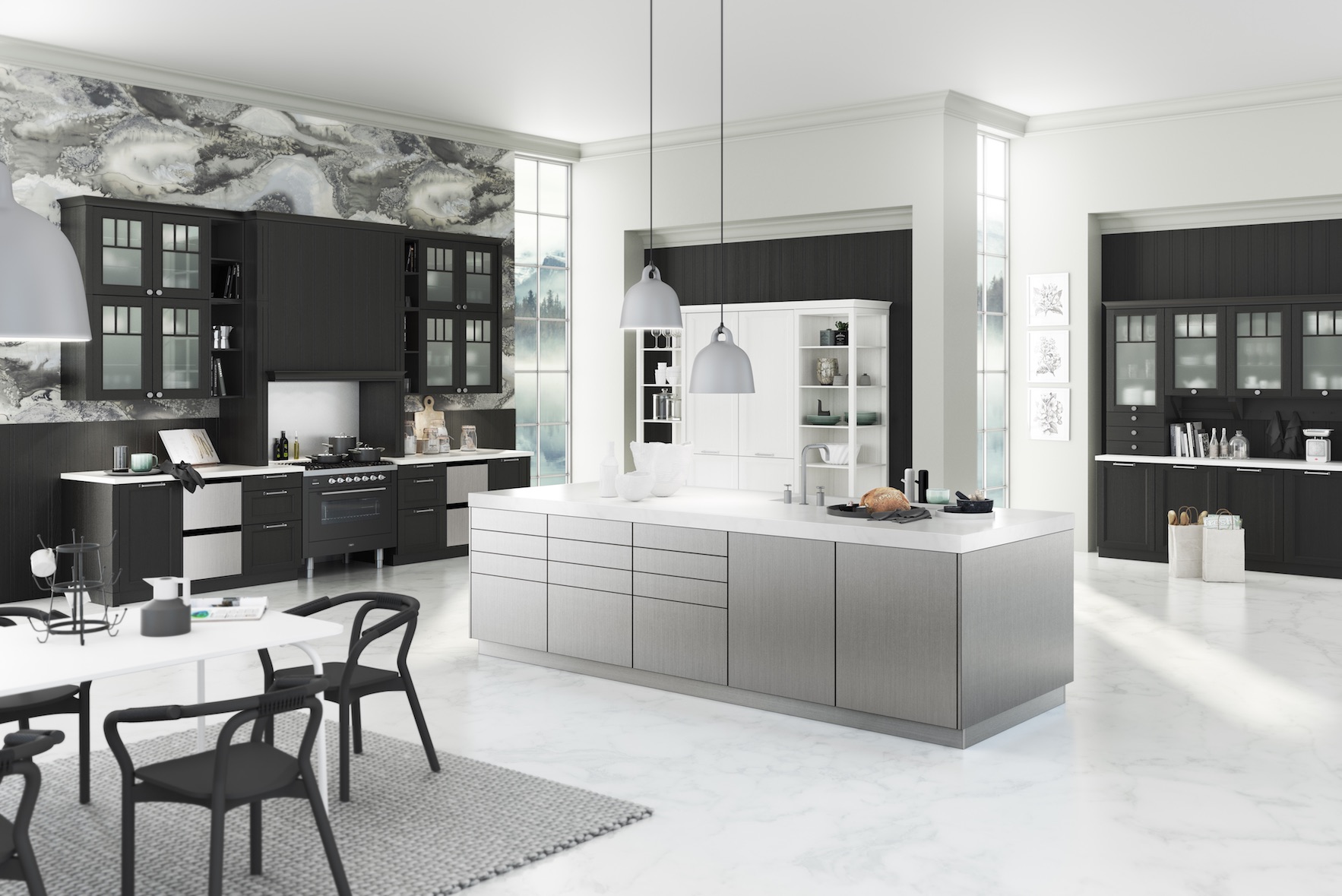
Quality matters whether you're creating traditional Italian kitchens or contemporary designer kitchen spaces. The materials should be genuine, not imitation. Wood should be real wood not laminate. Stone should be actual stone not composite. Hardware should be quality not cheap metals. A designer kitchen that's executed well with quality materials will last and look better over time. Cheap Italian kitchens that use imitation materials defeat the entire purpose. You want materials chosen for their character and durability not their cost. That commitment to real quality separates kitchens you love from kitchens you regret.
The craftsmanship also matters enormously in execution. Italian kitchens built by craftspeople who understand the tradition look different from kitchens that just copy the aesthetic. Custom cabinetry shows attention to detail that stock options don't match. Tile work done by someone who understands the craft looks different from installation by someone just following instructions. A designer kitchen executed by someone who takes pride in their work becomes obvious through small details. These quality signals accumulate and create the difference between a kitchen that's special and one that's just finished.
The longevity of Italian kitchens comes from both material choice and execution quality. A kitchen built to last generations requires durability in every component. That investment upfront costs more than budget alternatives. But over the years the math changes. Your expensive Italian kitchens still look beautiful and function perfectly. Your budget designer kitchen is requiring updates and repairs. The high-quality approach compares favorably to the cheap approach when you account for time. That's worth understanding when you're making your decision. You're not just paying for looks. You're paying for durability and years of enjoyment.
Conclusion
When you're thinking about creating either Italian kitchens or designer kitchen spaces that actually work beautifully, TimberLux understands the philosophy that makes kitchens special. Whether you want authentic Italian kitchens that honor tradition or designer kitchen spaces that borrow Italian thinking about practicality and timelessness, their expertise spans both approaches.
Italian kitchens represent generations of solving real cooking problems. Designer kitchen projects should learn from that philosophy rather than ignore it. The best kitchens whether they're Italian kitchens or contemporary designer kitchen creations start with how you actually live and cook. TimberLux approach recognizes that authentic design serves function and creates beauty as a natural result. That's what separates kitchens you love from kitchens that just look nice in photos.
FAQ
Q1. What's the difference between authentic Italian kitchens and kitchens designed with Italian influence?
Authentic Italian kitchens follow traditional Italian layouts and materials. Italian-influenced designer kitchen spaces borrow the philosophy and aesthetic without strict tradition. Both can be excellent if done thoughtfully.
Q2. Can you create modern Italian kitchens with contemporary appliances?
Yes. Italian kitchens work great with modern appliances because the philosophy is about functionality. Contemporary Italian kitchens maintain practical layouts while adding modern technology.
Q3. Are Italian kitchens more affordable than designer kitchen projects?
Not necessarily. Authentic Italian kitchens with quality materials and craftsmanship cost similar to good designer kitchen work. Budget versions of either approach cost less but compromise on longevity.
Q4. How do you know if a designer kitchen is truly well-designed or just trendy?
Good designer kitchen work serves function first. If the appliance placement seems awkward or storage is impractical, aesthetics drive decisions over functionality. Real designer kitchen excellence combines both.
Q5. Do Italian kitchens work in modern homes or do they only fit traditional spaces?
Italian kitchens work anywhere. The philosophy about practical layouts and quality materials applies across all architectural styles. They blend beautifully in contemporary homes.

 Arabic
 French
 Spanish
 Portuguese
 Deutsch
 Turkish
 Dutch
Dutch
 Italiano
 Russian
 Romaian
 Portuguese (Brazil)
 Greek
Greek