


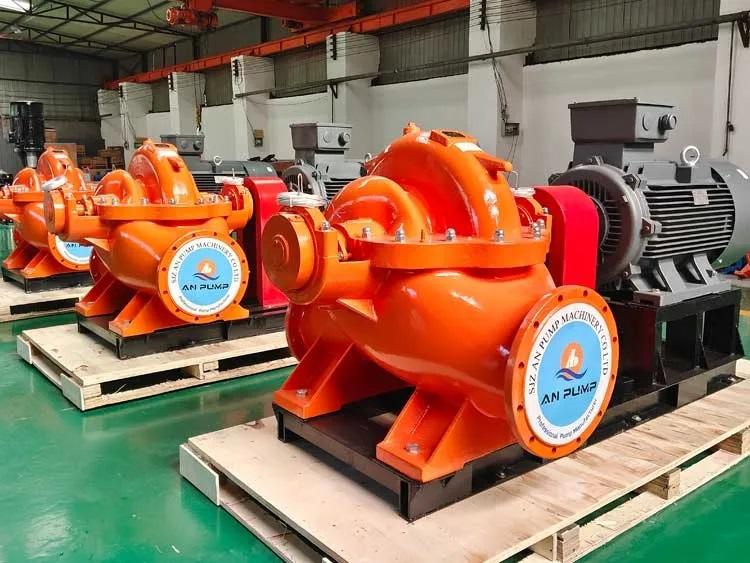
Pump systems play a very important role in many industries. They are used to move liquids from one place to another in manufacturing plants, water treatment facilities, construction projects, and many other applications. For a pump system to work efficiently, there must be a proper balance between system load and pump performance. When these two factors are matched correctly, the pump can operate smoothly, consume less energy, and provide reliable service for a long time.
Pump system load refers to the amount of work that a pump must perform to move a fluid through a system. This load is influenced by several factors, including pipe length, pipe diameter, fluid properties, flow rate requirements, and elevation changes. Every system creates resistance that the pump must overcome. The greater the resistance, the higher the load placed on the pump.
Pump performance refers to the pump’s ability to deliver the required flow and pressure. Manufacturers provide performance curves that show how a pump will operate under different conditions. These curves help engineers and operators select the right pump for a specific application. Choosing a pump without understanding its performance characteristics can lead to inefficiency and operational problems.
The balance between system load and pump performance is critical because both factors directly affect efficiency. When a pump is properly matched to the system, it operates near its best efficiency point. At this point, energy consumption is minimized while performance is maximized. The pump experiences less wear and tear, reducing maintenance costs and extending equipment life.
An oversized pump can create significant problems. When a pump delivers more flow than the system requires, excess energy is wasted. Operators may need to throttle valves to control flow, which increases energy consumption and places unnecessary stress on the system. Over time, this can lead to equipment damage and higher operating costs.
On the other hand, an undersized pump may struggle to meet system demands. It may operate continuously at maximum capacity without delivering the required flow or pressure. This can result in poor process performance, overheating, increased maintenance requirements, and reduced pump lifespan. Therefore, selecting a pump that closely matches the actual system requirements is essential.
Understanding system curves is an important part of achieving load and performance balance. A system curve represents the relationship between flow rate and system resistance. As flow increases, resistance generally increases as well. The point where the pump performance curve intersects the system curve is known as the operating point. This operating point determines the actual flow and pressure delivered by the pump during operation.
Regular monitoring is also necessary to maintain balance over time. System conditions can change due to pipe wear, scaling, blockages, or modifications to the process. These changes can alter system resistance and shift the operating point. By monitoring flow rates, pressure levels, and energy consumption, operators can identify performance issues early and make adjustments before major problems develop.
Variable frequency drives have become a popular solution for maintaining optimal performance. These devices allow pump speed to be adjusted according to system demand. Instead of running at full speed all the time, the pump can operate only at the level needed. This improves efficiency, reduces energy costs, and helps maintain a better balance between load and performance.
Proper maintenance also plays a key role in system efficiency. Regular inspection of seals, bearings, impellers, and piping helps ensure that the pump continues to perform as designed. Many organizations work closely with a trusted progressive cavity pump manufacturer to obtain technical support and maintenance guidance that helps keep systems operating efficiently.
Energy efficiency is one of the biggest benefits of maintaining proper load and performance balance. Industrial facilities often spend a large portion of their operating budget on energy. Even small improvements in pump efficiency can lead to substantial cost savings over time. Additionally, efficient pump operation supports sustainability goals by reducing energy consumption and lowering environmental impact.
In conclusion, understanding pump system load and performance balance is essential for achieving reliable and efficient operation. Proper pump selection, system analysis, regular monitoring, and preventive maintenance all contribute to maintaining this balance. When a pump operates at its optimal point, it delivers better performance, consumes less energy, and provides a longer service life. Organizations that focus on balancing system load and pump performance can enjoy lower operating costs, improved reliability, and greater overall productivity.

 English
 Arabic
 French
 Spanish
 Portuguese
 Deutsch
 Turkish
 Dutch
Dutch
 Italiano
 Russian
 Portuguese (Brazil)
 Greek
Greek