



5 Powerful SEM Hacks to Reduce Ad Spend

Search Engine Marketing is one of the fastest ways to generate targeted traffic, leads, and online sales. Platforms like Google Ads allow businesses to reach potential customers exactly when they are searching for products or services. However, many businesses struggle with rising advertising costs and shrinking returns because their campaigns are not optimized properly.
The good news is that reducing ad spend does not mean sacrificing results. Smart digital marketing strategies focus on improving efficiency, audience targeting, SEO integration, and content marketing to generate better conversions while spending less money. Successful marketers understand that the key to SEM success is maximizing every click and eliminating wasted budget.
If you want stronger ROI, lower advertising costs, and sustainable business growth, this guide will reveal five powerful SEM hacks that can significantly reduce your ad spend while improving campaign performance.
Why Do Businesses Overspend on SEM Campaigns?
Many businesses launch campaigns without proper optimization, causing them to pay for clicks that never convert into customers.
Common reasons businesses overspend include:
-
Poor keyword selection
-
Weak audience targeting
-
Low-quality landing pages
-
Ineffective ad copy
-
Lack of campaign monitoring
Successful digital marketing campaigns focus on efficiency and continuous optimization rather than simply increasing advertising budgets.
Hack #1: Focus on Long-Tail Keywords
One of the easiest ways to reduce advertising costs is by targeting long-tail keywords instead of highly competitive broad keywords.
Benefits of long-tail keywords include:
-
Lower cost per click
-
Better search intent targeting
-
Higher conversion rates
-
Reduced competition
-
Improved campaign profitability
For example, targeting "SEO services for small businesses" is often more effective and less expensive than targeting a broad keyword like "SEO."
Combining SEO research with SEM keyword strategies helps businesses identify profitable search opportunities while reducing costs.
Hack #2: Use Negative Keywords Aggressively
Negative keywords prevent your ads from appearing for irrelevant searches that waste advertising budgets.
Benefits of negative keywords include:
-
Reduced wasted clicks
-
Better audience targeting
-
Higher click quality
-
Improved conversion rates
-
Lower advertising costs
Regularly reviewing search term reports helps identify irrelevant queries that should be excluded from campaigns.
Hack #3: Optimize Landing Pages for Conversions
Even the best SEM campaigns can become expensive if visitors do not convert after clicking your ads.
Effective landing page optimization includes:
-
Fast loading speed
-
Mobile-friendly design
-
Clear headlines and messaging
-
Strong call-to-action buttons
-
SEO-optimized content
Better landing pages improve conversion rates, which means you generate more results without increasing ad spend.
Hack #4: Use Audience Segmentation and Remarketing
Not all website visitors convert on their first visit. Remarketing allows businesses to reconnect with users who have already shown interest in their products or services.
Effective audience targeting strategies include:
-
Remarketing campaigns
-
Geographic targeting
-
Demographic segmentation
-
Interest-based audiences
-
Customer behavior targeting
Remarketing often delivers lower acquisition costs because the audience is already familiar with your brand.
Hack #5: Combine Content Marketing with SEM
Many businesses rely entirely on paid advertising while ignoring content marketing opportunities. Valuable content helps attract and nurture potential customers before they convert.
Content marketing benefits for SEM include:
-
Better audience trust
-
Improved landing page quality
-
Higher engagement rates
-
Increased conversion opportunities
-
Stronger SEO support
Businesses that combine content marketing and SEM often reduce overall customer acquisition costs while improving campaign performance.
How Does SEO Help Reduce SEM Costs?
SEO and SEM work together to improve overall digital marketing performance. A strong SEO strategy can lower advertising costs by improving website quality and relevance.
SEO advantages for SEM include:
-
Better keyword insights
-
Higher landing page quality scores
-
Improved website authority
-
Better user experience
-
Increased organic traffic support
Businesses using both SEO and SEM often achieve stronger results than those relying on paid advertising alone.
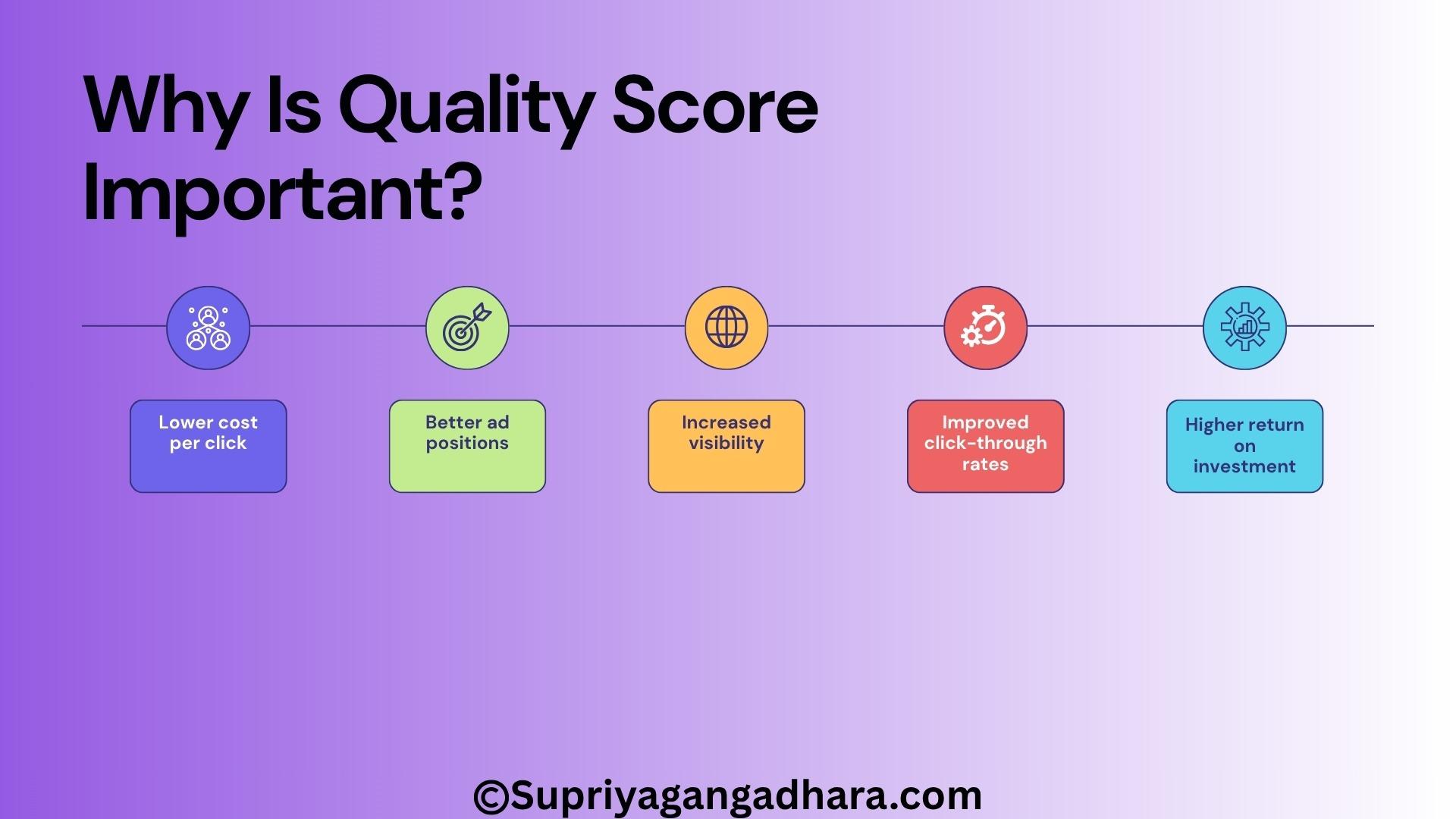
Why Is Quality Score Important?
Quality Score is a metric used by Google Ads to evaluate the relevance and quality of your ads, keywords, and landing pages.
Benefits of a higher Quality Score include:
-
Lower cost per click
-
Better ad positions
-
Increased visibility
-
Improved click-through rates
-
Higher return on investment
Optimizing keywords, ad copy, and landing pages can significantly improve Quality Scores.
Can AI Help Reduce Ad Spend?
Artificial Intelligence is transforming digital marketing and SEM campaign management. AI-powered tools help marketers optimize campaigns automatically and make smarter decisions.
AI-powered SEM benefits include:
-
Smart bidding automation
-
Audience behavior analysis
-
Predictive performance insights
-
Real-time campaign optimization
-
Better budget allocation
AI helps businesses improve efficiency while reducing unnecessary advertising costs.
Why Is Mobile Optimization Essential?
Most searches now happen on mobile devices. Poor mobile experiences often lead to wasted clicks and lower conversion rates.
Mobile optimization strategies include:
-
Responsive website design
-
Fast-loading mobile pages
-
Easy navigation
-
Mobile-friendly forms
-
Clear call-to-action buttons
Businesses optimized for mobile users often achieve stronger SEM performance and lower acquisition costs.
How Can Businesses Scale Campaigns Without Increasing Waste?
Scaling successfully requires strategic optimization instead of simply raising budgets.
Effective scaling strategies include:
-
Testing multiple ad variations
-
Monitoring audience performance
-
Improving landing page experiences
-
Increasing budgets gradually
-
Eliminating underperforming keywords
Businesses that scale carefully often maintain profitability while growing campaign reach.
Conclusion
Search Engine Marketing is one of the most effective digital marketing strategies for generating traffic, leads, and sales. However, businesses often overspend because they fail to optimize campaigns properly.
By focusing on long-tail keywords, using negative keywords, improving landing pages, leveraging remarketing, and combining content marketing with SEO, businesses can significantly reduce ad spend while improving performance. AI-powered tools and continuous optimization further help marketers maximize efficiency and achieve stronger results.

 Arabic
 French
 Spanish
 Portuguese
 Deutsch
 Turkish
 Dutch
Dutch
 Italiano
 Russian
 Romaian
 Portuguese (Brazil)
 Greek
Greek