


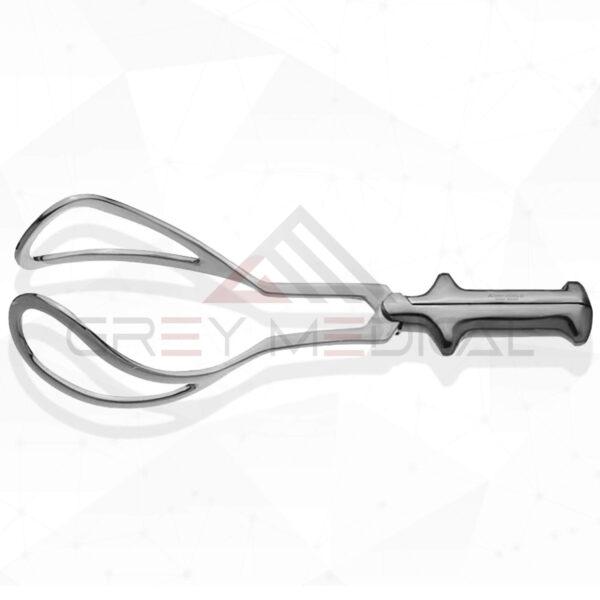
Obstetric forceps remain an important part of assisted vaginal delivery. While their use is less common in many settings than in past decades, they still play a critical role when a skilled clinician needs to achieve safe, controlled birth without moving directly to cesarean delivery. For medical students, clinicians, and procurement teams, understanding forceps types is not just about naming instruments. It is about matching the right design to the right clinical situation. A adson tissue forceps with teeth built for simple outlet traction is very different from one designed to help with rotation in a deeper fetal head position. Design details such as the cephalic curve, pelvic curve, shank length, and locking mechanism all affect function and safety.
In this guide, you will learn:
- How obstetric forceps are classified by station and use
- The main design features that distinguish one pattern from another
- When Simpson, Kielland, Wrigley, and Piper forceps are typically used
- Key safety points in forceps-assisted delivery
- Why correct instrument selection matters for both maternal and fetal outcomes
What Are Obstetric Forceps?
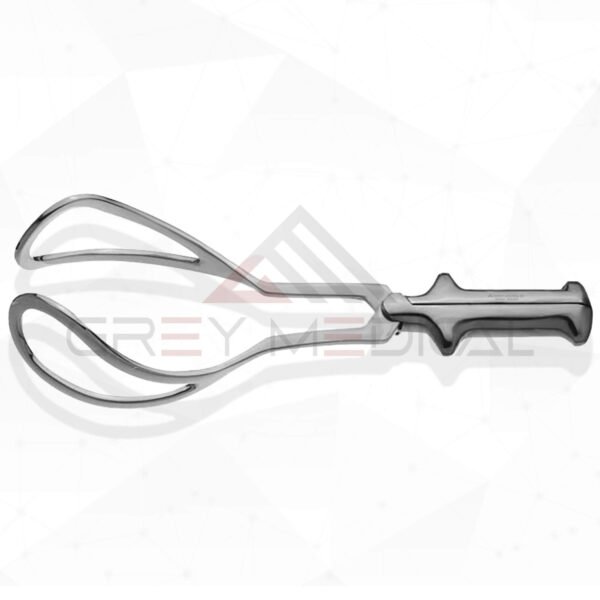
Obstetric forceps are metal instruments used to assist vaginal delivery by applying traction, and in some cases rotation, to the fetal head. They are designed as two blades that articulate around the fetal head and lock together once correctly placed.
At a basic level, forceps let the operator:
- Guide descent
- Apply controlled traction
- Correct selected malpositions
- Assist delivery of the after-coming head in breech birth
Their safe use depends on three factors:
- Correct case selection
- Operator skill
- Choosing the right forceps pattern for the clinical need
Key Design Features of Obstetric Forceps
Before looking at specific types, it helps to understand the design elements that make each instrument suitable for a different role.
Cephalic Curve
The cephalic curve is the contour of the blades that fits around the fetal head. This curve helps distribute pressure more evenly and allows the blades to grip the head with less focal compression.
A well-matched cephalic curve matters because it helps:
- Improve fit around the fetal skull
- Reduce unnecessary pressure
- Support more stable traction
Forceps with a more pronounced cephalic curve are often better suited for molded heads.
Pelvic Curve
The pelvic curve follows the axis of the maternal birth canal. This feature helps the operator apply traction in the correct direction rather than pulling straight outward.
The pelvic curve is especially important because it:
- Aligns traction with pelvic anatomy
- Helps guide descent
- Reduces inefficient or unsafe pulling angles
Not all forceps have the same pelvic curve. Some, such as Kielland forceps, have a minimal pelvic curve to support rotation.
Shanks, Blades, and Lock
Other key parts also affect use:
- Blades: The portions placed around the fetal head
- Shanks: The stems between blades and handles; longer shanks can help reach higher stations
- Handles: Used to apply traction and control movement
- Lock: Joins the two halves; lock design can affect ease of placement and rotational control
These details may seem technical, but they directly shape how an instrument performs in real delivery settings.
How Obstetric Forceps Are Classified
A common way to organize obstetric forceps is by the level at which they are used in the birth canal. This clinical classification helps match the instrument to station and delivery need.
Outlet, Low, and Mid-Cavity Forceps
Outlet Forceps
Outlet forceps are used when the fetal scalp is visible at the introitus and the head is on the perineum or very near delivery. Rotation, if needed, is minimal.
These forceps are generally used when:
- The head is at the outlet
- The skull has reached the pelvic floor
- Sagittal suture is in or near the anteroposterior diameter
- Delivery requires a small amount of traction
Outlet forceps tend to be shorter and are designed for controlled assistance near the end of labor.
Low Forceps
Low forceps are used when the leading point of the fetal skull is at station +2 or lower but not yet on the pelvic floor. Rotation may be limited or, in some cases, more substantial depending on fetal position and clinician skill.
They are used when:
- The head is engaged
- Descent has progressed well
- Additional traction is needed
- A malposition may require correction
This category includes many practical forceps-assisted deliveries in modern obstetrics.
Mid-Cavity Forceps
Mid-cavity forceps are used when the fetal head is engaged, but the presenting part is above +2 station. This is a more technically demanding situation and requires greater experience, stricter selection, and careful risk assessment.
These deliveries may involve:
- Arrest of descent at a higher station
- Persistent malrotation
- Need for rotational correction before traction
Because these procedures carry greater complexity, many centers limit their use to highly trained operators.
Common Types of Obstetric Forceps
Different forceps patterns were developed for different clinical problems. The most recognized examples include Simpson, Kielland, Wrigley, and Piper forceps.
Simpson Forceps
Simpson forceps are among the best-known obstetric forceps and are often used for traction when the fetal head is elongated or molded.
What Makes Simpson Forceps Different?
Simpson forceps usually have:
- A pronounced cephalic curve
- A pelvic curve
- Fenestrated blades
- Relatively long blades
Their blade shape fits a molded fetal head well, which makes them useful in many standard traction cases.
When Are Simpson Forceps Used?
Simpson forceps are commonly used for:
- Low forceps deliveries
- Traction in occipito-anterior positions
- Deliveries where the head is molded after prolonged labor
Their strength is traction rather than significant rotation.
What This Means Clinically
If the fetal head is well positioned and the main need is controlled downward and then upward traction along the pelvic axis, Simpson forceps are often a practical choice.
Kielland Forceps
Kielland forceps are specialized instruments best known for rotational delivery.
What Makes Kielland Forceps Different?
Kielland forceps are distinct because they usually have:
- A minimal pelvic curve
- A sliding lock
- Long, relatively shallow blades
This design gives the operator more freedom to rotate the fetal head while maintaining blade placement.
When Are Kielland Forceps Used?
Kielland forceps are most often considered for:
- Persistent occiput transverse position
- Occiput posterior position in selected cases
- Deep transverse arrest
- Rotational assisted vaginal delivery
They are not routine traction forceps. Their main value lies in controlled correction of malposition.
Why Is the Sliding Lock Important?
The sliding lock helps accommodate asynclitism and slight mismatch between the blade positions. This can improve application when the head is not perfectly aligned.
Safety Considerations for Kielland Forceps
Kielland forceps demand high operator skill. Improper use can increase the risk of:
- Maternal soft tissue trauma
- Failed operative vaginal delivery
- Fetal injury from poor application or excessive force
For that reason, they are usually reserved for clinicians with specific training in rotational forceps techniques.
Wrigley Forceps
Wrigley forceps are shorter forceps typically used for outlet deliveries.
What Makes Wrigley Forceps Different?
Wrigley forceps are known for:
- Short length
- Short shanks
- Compact design
- Ease of use near the outlet
Their shorter profile helps reduce the amount of instrument extending into the birth canal.
When Are Wrigley Forceps Used?
They are commonly used for:
- Outlet forceps delivery
- Assistance when the fetal head is already low
- Delivery of the head during cesarean section in some settings
Their main role is simple traction, not deep application or major rotation.
Why Are They Useful?
When birth is close and only a small amount of assistance is needed, Wrigley forceps can provide control with less bulk than larger instruments.
Piper Forceps
Piper forceps are specialized instruments designed for breech delivery, especially for the after-coming head.
What Makes Piper Forceps Different?
Piper forceps have:
- A perineal curve
- Long shanks
- Blades designed to be applied from below to the after-coming head
This shape allows the operator to apply the forceps while the fetal body remains outside the vagina.
When Are Piper Forceps Used?
Piper forceps are used for:
- Assisted delivery of the after-coming head in breech birth
- Situations where the head needs controlled flexion and traction
They are not general-purpose forceps. Their use is highly specific.
What Is Their Main Clinical Advantage?
Piper forceps help maintain head flexion during breech extraction. This can support safer delivery of the after-coming head when vaginal breech birth is being performed by an experienced team.
How to Choose the Right Forceps for Delivery
Choosing obstetric forceps is not about personal preference alone. The instrument should fit the clinical objective.
If the Need Is Traction
For straightforward traction in a low or outlet delivery, commonly used options include:
- Simpson forceps
- Wrigley forceps
The exact choice depends on station, head position, and how much reach is needed.
If the Need Is Rotation
If the fetal head is malpositioned and rotation is required, Kielland forceps may be considered in selected cases. This is a specialist application and should only be attempted when prerequisites are met and backup plans are clear.
If the Need Is Breech Head Delivery
For the after-coming head in breech birth, Piper forceps are the classic instrument choice.
Factors That Guide Instrument Selection
The best instrument depends on:
- Fetal station
- Degree of rotation needed
- Head position and molding
- Maternal pelvic assessment
- Operator experience
- Availability of immediate alternative delivery plans
This is why instrument selection is both a clinical and operational decision.
Maternal and Fetal Indications for Forceps Delivery
Forceps-assisted delivery may be considered when vaginal birth is appropriate but needs timely support.
Common Maternal Indications
These may include:
- Prolonged second stage of labor
- Maternal exhaustion
- Need to shorten second stage due to cardiac, neurologic, or other medical conditions
- Inadequate expulsive effort
Common Fetal Indications
These may include:
- Nonreassuring fetal status requiring prompt vaginal delivery
- Malposition that can be safely corrected
- Arrest of descent in a suitable operative vaginal delivery case
The right forceps can help address these indications, but only if all safety criteria are met.
Safety Considerations in Obstetric Forceps Use
Safety is the most important part of forceps delivery. Even the best instrument becomes unsafe if used in the wrong case or by an unprepared operator.
What Conditions Should Be Met Before Application?
Before forceps delivery, the clinician should confirm:
- Full cervical dilation
- Ruptured membranes
- Engaged head
- Known fetal position
- Adequate anesthesia or analgesia
- Empty bladder
- No suspicion of cephalopelvic disproportion that would make vaginal delivery unsafe
- Immediate ability to proceed to alternative delivery if needed
These are not small details. They are core requirements.
What Are the Main Risks?
Potential maternal risks include:
- Perineal trauma
- Vaginal or cervical lacerations
- Postpartum pain
- Anal sphincter injury
Potential fetal risks include:
- Facial marks or bruising
- Scalp injury
- Facial nerve palsy
- Skull or intracranial injury in rare severe cases
Good technique, proper application, and careful patient selection reduce these risks but do not remove them.
Why Does Training Matter So Much?
Forceps are operator-dependent instruments. A clinician must understand:
- Anatomy
- Station assessment
- Fetal head position
- Instrument mechanics
- Direction of traction
- When to stop and convert to another delivery plan
This is especially true for mid-cavity and rotational forceps procedures.
Procurement Considerations: What Buyers Should Look For
For procurement officers and facility managers, forceps selection also includes product quality and practical usability.
Important Buying Considerations
Look for instruments with:
- High-quality medical-grade stainless steel
- Reliable finish and corrosion resistance
- Precise blade alignment
- Secure lock function
- Consistent manufacturing standards
- Clear labeling of pattern and size
Why Pattern Accuracy Matters
A forceps types for delivery mislabeled or poorly manufactured forceps can create real clinical risk. Procurement teams should make sure each instrument matches recognized design standards and the training needs of the clinicians who use it.
Build a Practical Set Mix
A hospital or maternity unit should stock forceps patterns that match its level of care. For many facilities, that may include:
- Wrigley forceps for outlet use
- Simpson forceps for standard traction cases
- Piper forceps where vaginal breech delivery is supported
- Kielland forceps only where trained operators use rotational techniques
This approach aligns inventory with actual clinical practice.
Common Questions About Obstetric Forceps Types
Are Simpson forceps and Kielland forceps used for the same purpose?
No. Simpson forceps are mainly traction forceps, while Kielland forceps are designed primarily for rotation in selected malposition cases.
Why are Wrigley forceps shorter?
Their short length makes them easier to use in outlet deliveries, where the head is already very low and only limited assistance is needed.
When are Piper forceps preferred?
Piper forceps are preferred during vaginal breech delivery when the after-coming head requires controlled assistance.
Are mid-cavity forceps still used?
Yes, but they are less common and usually limited to experienced clinicians in appropriate settings because they are more technically demanding.
Conclusion
Understanding obstetric forceps types is essential for safe assisted vaginal delivery. Outlet, low, and mid-cavity forceps serve different purposes, and specific patterns such as Simpson, Kielland, Wrigley, and Piper forceps were designed for distinct clinical tasks. Some are best for traction, some for rotation, and some for highly specialized situations like breech head delivery.
The key point is simple: the right instrument must match the maternal indication, fetal position, station, and operator skill. When clinicians and procurement teams make that match carefully, forceps can remain a valuable tool in modern obstetric practice.

 English
 Arabic
 French
 Spanish
 Portuguese
 Deutsch
 Turkish
 Dutch
Dutch
 Italiano
 Romaian
 Portuguese (Brazil)
 Greek
Greek