


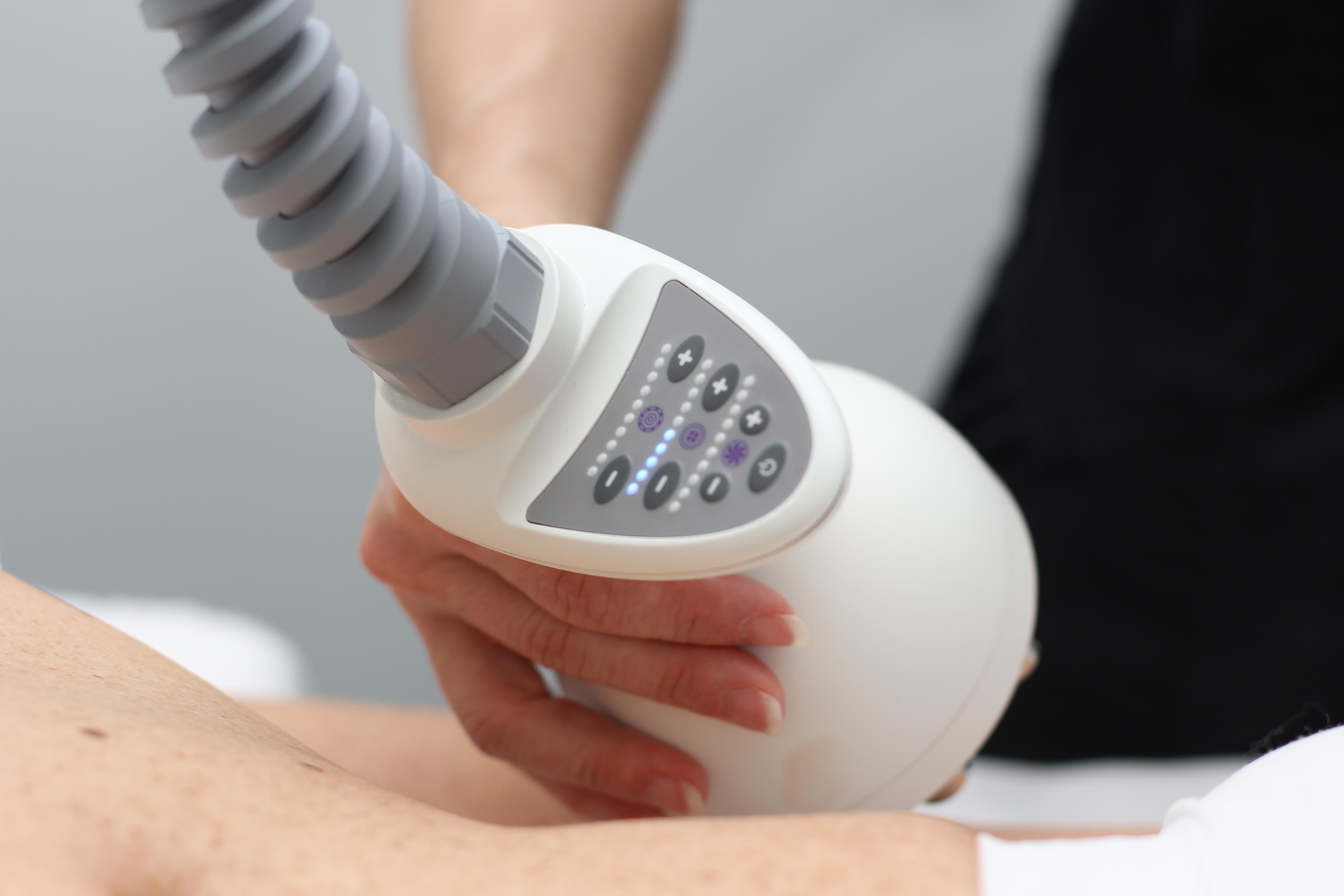
Comfort Level and Sensation During Venus Legacy Sessions
Introduction: What to Expect From a Venus Legacy Treatment
One of the main reasons Venus Legacy is popular in non-invasive aesthetic treatments is its reputation for comfort. Unlike more aggressive procedures that involve needles, intense heat spikes, or skin damage, Venus Legacy is designed to feel relaxing while still delivering therapeutic energy deep into the skin.
The treatment uses multi-polar radiofrequency (RF), pulsed electromagnetic fields (PEMF), and in many cases gentle suction (VariPulse technology). Together, these create a unique sensation that most patients describe as warm, soothing, and massage-like rather than painful. Venus Legacy in Riyadh is a popular non-invasive treatment for skin tightening, body contouring, and improving overall skin texture without surgery.
Understanding what the treatment actually feels like helps reduce anxiety and sets realistic expectations for first-time patients.
Overall Sensation: Warm Massage Effect
During a Venus Legacy session, the most common description is:
- A deep warming sensation
- Similar to a hot stone massage
- Combined with a gentle rolling or gliding pressure
As the applicator moves across the skin, RF energy gradually heats the deeper layers of tissue. The warmth builds slowly rather than suddenly, which is a key reason why it is well tolerated.
Most people find the sensation relaxing enough that they can comfortably remain still or even fall into a calm, meditative state during treatment.
What the Skin Actually Feels During Treatment
The sensation can be broken down into a few components:
1. Gradual Heat Build-Up
The RF energy gently increases tissue temperature. You may feel:
- Mild warmth at first
- Increasing heat that remains comfortable
- A consistent “deep heat” feeling under the skin
Unlike laser treatments, there are no sharp heat spikes or burning sensations when the device is properly calibrated.
2. Gentle Suction (If Used)
Some Venus Legacy applicators include VariPulse technology, which creates a light vacuum effect.
This can feel like:
- Soft pulling or lifting of the skin
- A rhythmic “massage squeeze”
- Light pressure changes as the device moves
It is not painful, but it may feel unusual at first for first-time users.
3. Massage-Like Movement
The practitioner moves the handheld device in circular or sweeping motions. This adds:
- Physical massage sensation
- Rhythmic pressure across the treatment area
- Enhanced relaxation due to continuous movement
This combination makes the experience feel more like a spa treatment than a medical procedure.
Comfort Level Compared to Other Aesthetic Treatments
Venus Legacy is generally considered one of the most comfortable energy-based skin treatments available.
Compared to more intense RF treatments
Devices like Thermage often use stronger heat pulses that can feel hot or uncomfortable. Venus Legacy is significantly gentler and more evenly distributed.
Compared to RF microneedling
Treatments such as Morpheus8 involve needles penetrating the skin and delivering RF energy internally. This typically requires numbing cream and has moderate discomfort. Venus Legacy is completely non-invasive and pain-free in comparison.
Compared to basic massage or spa treatments
Venus Legacy is often compared to:
- Hot stone massage
- Deep tissue massage with warmth
- Mechanical lymphatic drainage massage
However, it adds internal heating that spa treatments do not provide.
Pain Level: Does Venus Legacy Hurt?
In most cases, Venus Legacy is considered painless.
Typical experience:
- 0–2 out of 10 on the pain scale
- More “pleasant warmth” than discomfort
- No sharp, stabbing, or burning pain
Situations where mild discomfort may occur:
- Very sensitive skin areas (inner arms, neck)
- Higher energy settings for stubborn fat areas
- First session (due to unfamiliar sensations)
- If suction intensity is increased
Even in these cases, discomfort is usually mild and temporary.
After-Treatment Sensation
Once the session ends, most patients notice:
- Warmth lingering for 30–60 minutes
- Slight redness in treated areas
- A feeling of “light tightness” in the skin
- Mild sensitivity when touching the area
These effects typically fade within a few hours. There is no downtime, so normal daily activities can continue immediately.
Psychological Comfort: Why Patients Relax During Treatment
Beyond physical sensation, Venus Legacy also has a calming psychological effect. Several factors contribute:
- No needles or invasive steps
- No skin damage or peeling
- Continuous massage-like motion
- Predictable, steady warmth
- Treatment often performed in a quiet clinical spa setting
Because of this, many patients find the experience more relaxing than stressful.
Sensation Differences by Treatment Area
The feeling can vary slightly depending on where it is applied:
Face and Jawline
- Gentler settings are used
- Feels like warm facial massage
- Mild suction near cheeks and jaw
Abdomen
- Deeper warmth sensation
- Often feels like a heated deep-tissue massage
Thighs and Buttocks
- Stronger suction may be used for cellulite
- Rhythmic pulling sensation combined with heat
Arms and Neck
- More delicate and sensitive
- Lower intensity, very light warmth
What First-Time Patients Usually Notice
For someone experiencing Venus Legacy for the first time:
- Initial curiosity about the warmth
- Quick adjustment to the sensation
- Relaxation within a few minutes
- Surprise at how comfortable it feels
Most patients report that anticipation is worse than the actual experience.
Final Verdict: How Comfortable Is Venus Legacy?
Venus Legacy is widely considered one of the most comfortable non-invasive skin tightening and body contouring treatments available today. The combination of controlled radiofrequency heating, gentle suction, and continuous massage-like motion creates a warm, relaxing experience rather than a painful one.
It stands out especially when compared to more aggressive treatments like RF microneedling or high-intensity RF systems. For most people, the session feels more like a therapeutic spa massage than a medical procedure.

 English
 French
 Spanish
 Portuguese
 Deutsch
 Turkish
 Dutch
Dutch
 Italiano
 Russian
 Romaian
 Portuguese (Brazil)
 Greek
Greek