


Many women experience severe pelvic pain, painful periods, and difficulty in daily life without knowing the exact reason behind their symptoms. In some cases, the condition may continue for years before proper diagnosis and treatment are provided.
An endometriosis operation is often recommended when medications and lifestyle changes do not provide enough relief. The surgery helps remove abnormal tissue growth and can improve pain, fertility, and overall quality of life.
Understanding the procedure, recovery process, and possible outcomes can help patients feel more prepared and confident before treatment. This guide explains everything in simple language, including the steps involved in surgery, recovery time, risks, benefits, and aftercare.
What Is Endometriosis?
Endometriosis is a medical condition where tissue similar to the lining inside the uterus grows outside the uterus. This tissue may grow on the ovaries, fallopian tubes, bladder, intestines, or other pelvic organs.
During the menstrual cycle, this tissue behaves like normal uterine lining. It thickens, breaks down, and bleeds. However, because it is outside the uterus, the blood cannot leave the body properly. This may lead to:
- Severe pelvic pain
- Painful periods
- Pain during intercourse
- Heavy bleeding
- Infertility
- Digestive discomfort
- Fatigue
The condition can affect women differently. Some may have mild symptoms, while others may experience severe pain that affects work, relationships, and daily activities.
When Is an Endometriosis Operation Needed?
Not every woman with endometriosis needs surgery. Doctors usually begin treatment with medicines, hormone therapy, and lifestyle changes. However, surgery may become necessary in certain situations.
An endometriosis operation may be recommended if:
- Pain is severe and long-lasting
- Medications are not helping
- Endometriosis affects fertility
- Ovarian cysts are present
- The disease spreads to nearby organs
- Daily activities become difficult
- There is heavy internal scarring
The goal of surgery is to remove or destroy endometriosis tissue while protecting healthy organs as much as possible.
Types of Endometriosis Operations
There are different surgical methods used to treat endometriosis. The type of operation depends on the severity of the condition, the patient’s symptoms, age, and future pregnancy plans.
1. Laparoscopy
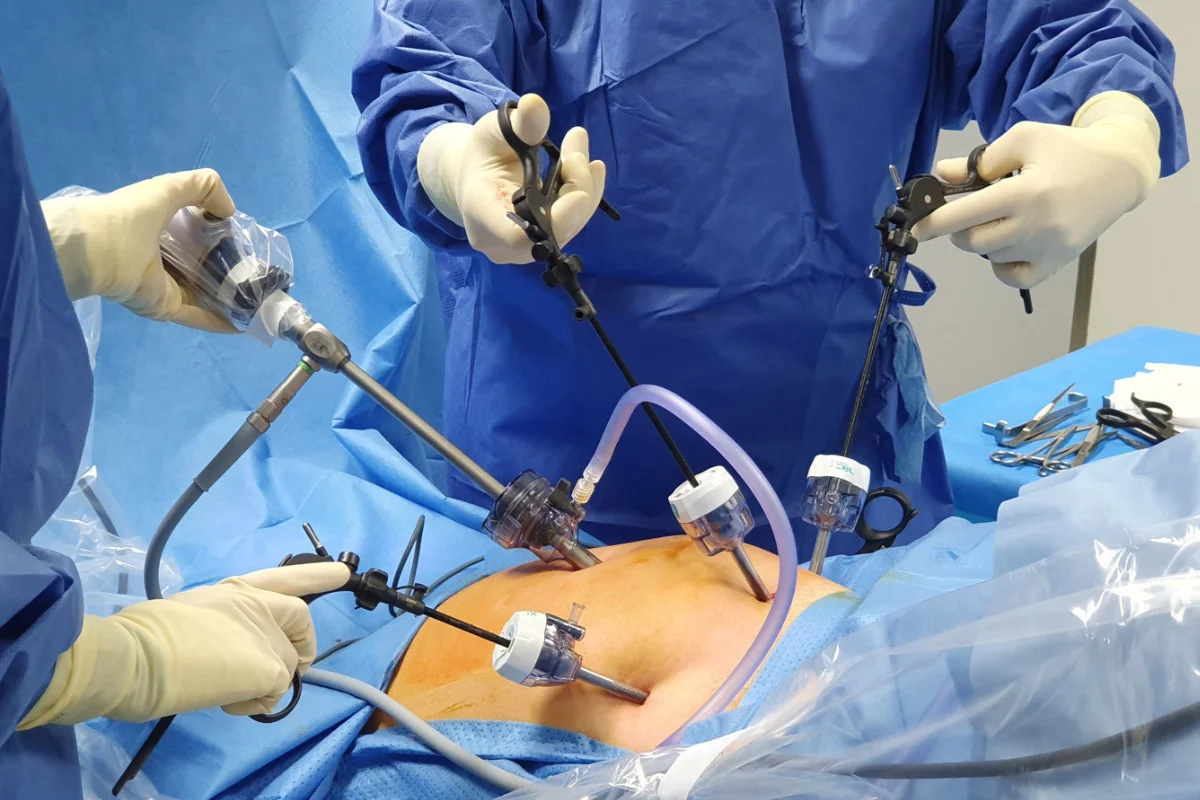
Laparoscopy is the most common surgery for endometriosis. It is also called minimally invasive surgery.
During this procedure:
- Small cuts are made in the abdomen
- A thin camera called a laparoscope is inserted
- The surgeon removes or destroys endometriosis tissue
This method usually causes less pain and faster recovery compared to open surgery.
Benefits of Laparoscopy
- Smaller scars
- Less bleeding
- Shorter hospital stay
- Faster healing
- Lower infection risk
2. Laparotomy
Laparotomy is an open surgery used in severe cases.
A larger cut is made in the abdomen to access the pelvic organs directly. This method may be necessary if the endometriosis is extensive or affects multiple organs.
Recovery time is usually longer compared to laparoscopy.
3. Hysterectomy
In some severe cases, doctors may recommend removal of the uterus. This surgery is called a hysterectomy.
Sometimes the ovaries and fallopian tubes are also removed if the disease is widespread.
This option is generally considered when:
- Symptoms are severe
- Other treatments have failed
- The patient does not plan future pregnancies
Even after hysterectomy, some women may still experience symptoms if endometriosis tissue remains.
How to Prepare for an Endometriosis Operation
Preparation is important for a smoother surgery and recovery.
Medical Evaluation
Before surgery, the doctor may recommend:
- Blood tests
- Ultrasound
- MRI scan
- Pregnancy test
- Physical examination
These tests help understand the extent of the disease.
Discussing Medications
Patients should inform the doctor about:
- Current medications
- Supplements
- Allergies
- Previous surgeries
Certain medications may need to be stopped before surgery.
Fasting Before Surgery
Most surgeries require fasting for several hours beforehand. The medical team will provide exact instructions.
Arranging Support
It is helpful to arrange:
- Transportation home
- Help with household work
- Time off from work or school
Having emotional and physical support during recovery can make the process easier.
Step-by-Step Process of an Endometriosis Operation
Understanding the procedure can reduce fear and anxiety.
Step 1: Anesthesia
The patient receives general anesthesia, which means they will sleep during the surgery and feel no pain.
Step 2: Small Incisions
In laparoscopic surgery, the surgeon makes small cuts in the abdomen.
A gas is used to gently expand the abdomen for better visibility.
Step 3: Inserting the Camera
A thin camera is inserted through one incision. The camera sends images to a monitor so the surgeon can view the pelvic organs clearly.
Step 4: Removing Endometriosis Tissue
The surgeon carefully removes or destroys abnormal tissue using special surgical tools.
Techniques may include:
- Cutting
- Burning
- Laser treatment
Scar tissue and cysts may also be removed.
Step 5: Checking Nearby Organs
The surgeon examines nearby structures such as:
- Ovaries
- Bladder
- Bowel
- Fallopian tubes
This helps ensure all visible endometriosis tissue is treated.
Step 6: Closing the Incisions
The instruments are removed, and the small cuts are closed with stitches or surgical glue.
The patient is then moved to a recovery room.
How Long Does the Surgery Take?
The duration depends on the severity of the condition.
- Mild cases: 30 minutes to 1 hour
- Moderate cases: 1 to 2 hours
- Severe cases: 3 hours or more
Complex surgeries involving the bowel or bladder may take longer.
Recovery Time After Endometriosis Operation
Recovery varies from person to person.
Recovery After Laparoscopy
Most women recover within:
- 1 to 2 weeks for light activities
- 4 to 6 weeks for complete recovery
Many patients return home the same day.
Recovery After Laparotomy
Open surgery requires more healing time.
Recovery may take:
- 6 to 8 weeks or longer
Hospital stay is also usually longer.
What to Expect During Recovery
It is normal to experience some discomfort after surgery.
Common symptoms include:
- Mild pain
- Fatigue
- Bloating
- Shoulder pain from surgical gas
- Light vaginal bleeding
- Soreness near incisions
These symptoms usually improve gradually.
Pain Management After Surgery
Doctors may prescribe pain medications to reduce discomfort.
Other helpful methods include:
- Rest
- Warm compresses
- Gentle walking
- Drinking plenty of fluids
Patients should avoid heavy lifting during early recovery.
Diet After Endometriosis Surgery
A healthy diet can support healing.
Recommended foods include:
- Fruits
- Vegetables
- Whole grains
- Lean proteins
- High-fiber foods
Drinking enough water is also important.
Some patients may temporarily experience constipation after surgery due to medications or reduced movement.
Physical Activity After Surgery
Light movement is encouraged to improve circulation and reduce complications.
Safe Activities
- Short walks
- Gentle stretching
- Deep breathing exercises
Activities to Avoid Initially
- Heavy lifting
- Intense workouts
- Strenuous household tasks
The doctor will advise when normal activities can resume.
Emotional Recovery After Surgery
Endometriosis can affect emotional health as well as physical health.
Some women may experience:
- Anxiety
- Stress
- Mood changes
- Fear about fertility
- Emotional exhaustion
Support from family, friends, or counseling services can help during recovery.
Possible Risks of Endometriosis Operation
Like any surgery, an endometriosis operation carries some risks.
Possible complications include:
- Infection
- Bleeding
- Damage to nearby organs
- Blood clots
- Reaction to anesthesia
- Scar tissue formation
Serious complications are uncommon, especially when surgery is performed by an experienced specialist.
Can Endometriosis Return After Surgery?
Unfortunately, endometriosis can return even after successful surgery.
The risk of recurrence depends on factors such as:
- Severity of disease
- Hormone levels
- Age
- Whether ovaries are preserved
Some women remain symptom-free for many years, while others may need additional treatment later.
Doctors may recommend hormone therapy after surgery to reduce recurrence risk.
Fertility After Endometriosis Operation
Many women worry about pregnancy after surgery.
In some cases, surgery can improve fertility by:
- Removing scar tissue
- Clearing blocked fallopian tubes
- Restoring pelvic anatomy
However, fertility outcomes depend on:
- Age
- Severity of endometriosis
- Overall reproductive health
Women planning pregnancy should discuss fertility goals with their doctor before surgery.
Signs You Should Contact Your Doctor After Surgery
Patients should seek medical attention if they experience:
- High fever
- Severe pain
- Heavy bleeding
- Redness around incisions
- Difficulty breathing
- Persistent vomiting
- Swelling in the legs
Early medical care helps prevent serious complications.
Tips for Faster Recovery
Here are some simple ways to support healing after surgery:
1. Follow Medical Instructions
Take medications exactly as prescribed.
2. Get Enough Rest
The body needs time to heal properly.
3. Eat Nutritious Foods
Healthy meals support tissue repair and energy levels.
4. Stay Hydrated
Water helps improve digestion and recovery.
5. Avoid Smoking and Alcohol
These may slow healing and increase complications.
6. Attend Follow-Up Appointments
Regular check-ups help monitor recovery progress.
Lifestyle Changes That May Help After Surgery
Long-term symptom management often includes healthy lifestyle habits.
Helpful changes may include:
- Regular exercise
- Stress management
- Anti-inflammatory diet
- Good sleep habits
- Hormonal treatment if advised
These steps may improve overall well-being and reduce symptom recurrence.
Frequently Asked Questions About Endometriosis Operation
Is endometriosis surgery painful?
Patients do not feel pain during surgery because anesthesia is used. Mild to moderate discomfort during recovery is normal and manageable with medications.
Can I get pregnant after surgery?
Many women become pregnant after treatment, especially if fertility problems were linked to endometriosis.
How soon can I return to work?
This depends on the type of surgery and job requirements. Some patients return within one to two weeks after laparoscopy, while others may need longer rest.
Will surgery completely cure endometriosis?
Surgery can greatly reduce symptoms, but endometriosis may return in some cases.
Is laparoscopic surgery safe?
Yes, laparoscopy is considered a safe and commonly performed procedure when done by experienced surgeons.
Conclusion
Living with endometriosis can be physically and emotionally challenging, especially when symptoms interfere with daily life, work, relationships, and fertility. An endometriosis operation in dubai can provide significant relief by removing abnormal tissue, reducing pain, and improving overall health.
Understanding the procedure, recovery time, possible risks, and aftercare can help patients feel more confident before surgery. Early diagnosis and proper treatment are important for better long-term outcomes.
For women experiencing persistent pelvic pain or symptoms of endometriosis, consulting an experienced specialist such as Dr. Neha Lalla can help determine the most suitable treatment plan and recovery approach.

 English
 Arabic
 French
 Spanish
 Portuguese
 Deutsch
 Turkish
 Dutch
Dutch
 Italiano
 Russian
 Romaian
 Greek
Greek