



Heparin syringes play a vital role in modern care. They support precise drug delivery, help maintain vascular access devices, and reduce the risk of dosing errors in high-stakes settings. For healthcare professionals and medical students, understanding how these medical instruments work is not optional. It is a key part of safe and effective practice.
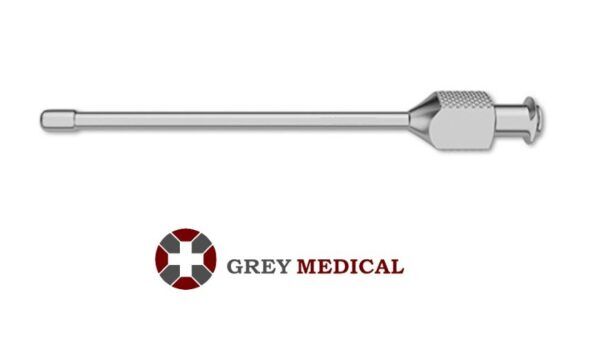
Why the Heparin Syringe Matters in Clinical Practice
A heparin syringe is designed to deliver heparin in accurate volumes. Heparin is an anticoagulant used to help prevent clot formation. In many healthcare settings, small doses of heparin are used to maintain catheter patency, especially in central venous catheters, arterial lines, and other vascular access devices.
Because heparin is a high-alert medication in many institutions, accuracy matters at every step. Even small deviations can affect outcomes. That is why the heparin syringe has become one of the most important medical instruments in medication delivery and line maintenance.
Its value is clear in settings such as:
- Hospitals
- Outpatient infusion centers
- Dialysis clinics
- Emergency departments
- Intensive care units
- Surgical and procedural suites
In each of these environments, clinicians need speed, consistency, and healthcare safety. A well-designed heparin syringe supports all three.
What Is a Heparin Syringe?
A heparin syringe is a sterile syringe intended for the administration of heparin solution. It may come pre-filled by the manufacturer or be filled manually by a clinician using aseptic technique. Some are designed for subcutaneous drug administration, while others are intended for catheter flush procedures.
The exact design depends on the intended use, but common components include:
- Clear barrel with volume markings
- Precision plunger for controlled movement
- Needle or needle-free connection
- Sterile packaging
- Labeling that identifies concentration and volume
- Safety mechanism in many modern designs
The best heparin syringes are easy to read, simple to handle, and consistent in performance. These design details support precision dosing and reduce the chance of user error.
Technical Specifications That Support Precision Dosing
Precision dosing is one of the main reasons clinicians rely on purpose-built heparin syringes. A syringe used for anticoagulant delivery or catheter flush must provide highly accurate measurement and smooth control.
Barrel Calibration and Readability
Clear, legible graduations are essential. Fine markings help clinicians measure small volumes with confidence. This is hurd retractor especially important when using low-dose heparin solutions for neonatal, pediatric, or critical care patients.
High-quality calibration offers several advantages:
- Better visibility for low-volume dosing
- Reduced risk of measurement error
- More consistent administration across users
- Improved confidence during urgent care situations
A syringe with poorly printed or crowded markings can slow workflow and raise the risk of error. In contrast, precise graduation lines support safer medication handling.
Low Dead Space Design
Dead space is the residual fluid left in the syringe or hub after injection. In medications where volume accuracy matters, lower dead space supports better dose delivery. This feature can help minimize waste and improve consistency.
For a heparin syringe, low dead space design may contribute to:
- More accurate final dose delivery
- Less medication waste
- Better cost efficiency over time
- Improved consistency in repeated clinical use
Smooth Plunger Movement
Plunger resistance affects control. If the plunger sticks or moves unevenly, the user may push too quickly or deliver an inconsistent amount. Smooth plunger glide helps the clinician administer heparin in a controlled way.
This matters in settings where a line flush or medication dose must be delivered with steady pressure. A reliable plunger also reduces hand fatigue during repeated use.
Sterility and Material Quality
Heparin syringes must meet strict quality standards for sterility and material integrity. Medical-grade plastics, secure seals, and dependable packaging all affect performance. If packaging fails or the syringe material is weak, the product may not be safe for patient use.
Important material and manufacturing factors include:
- Sterile, tamper-evident packaging
- Latex-free construction where required
- Chemical compatibility with heparin solution
- Durable barrel and plunger materials
- Secure tip design to prevent leaks
These details may seem basic, but they are central to instrument reliability.
Safety Features and the Push for Healthcare Safety
Needle-stick injuries remain a serious concern across healthcare settings. They expose staff to bloodborne pathogens and can lead to emotional stress, testing, reporting, and post-exposure treatment. For that reason, safety-engineered heparin syringes are increasingly important.
Why Needle-Stick Prevention Matters
Healthcare workers face repeated exposure to sharps during medication preparation and administration. The risk rises in fast-moving environments, during high patient volume, or when staff are tired or distracted.
A heparin syringe with built-in safety features helps lower this risk. It also supports compliance with institutional safety policies and occupational health standards.
Common Safety Features in Modern Heparin Syringes
Many current syringe designs include features meant to improve healthcare safety without making the device harder to use.
Common examples include:
- Retractable needles: The needle withdraws into the barrel after use
- Needle shields: A protective cover locks over the needle
- Passive safety activation: The feature engages automatically
- Tamper-evident caps: Help confirm sterility before use
- Clear labeling: Reduces mix-ups between concentrations or syringe types
These features can lower exposure risk while keeping workflow efficient.
Technical Safety Benefits at a Glance
Below are some of the most practical benefits of safety-focused heparin syringe design:
- Reduced needle-stick injuries during disposal and handling
- Improved clinician confidence in high-volume care settings
- Better compliance with healthcare safety protocols
- Clearer medication identification through accurate labeling
- Lower risk of contamination with sealed sterile systems
- More reliable disposal when sharps are shielded after use
When safety features work well, they do not slow the user down. They support safer habits while fitting into routine practice.
Pre-Filled vs. Manual Heparin Syringes
One of the most common decisions in clinical procurement is whether to use pre-filled or manual heparin syringes. Each type has strengths and trade-offs.
Pre-Filled Heparin Syringes
Pre-filled heparin syringes come ready to use in a fixed concentration and volume. They are prepared under controlled manufacturing conditions and sealed for sterile use.
Advantages of Pre-Filled Syringes
Pre-filled systems offer several operational and clinical benefits:
- Reduced preparation time
- Lower risk of dosing error
- Improved standardization across staff
- Less manipulation before use
- Lower contamination risk
- Faster readiness in urgent care settings
Because the product is manufactured with a set fill volume, pre-filled syringes can improve precision dosing and consistency.
Best Use Cases for Pre-Filled Syringes
They are often preferred in:
- Emergency departments
- Intensive care units
- Procedural areas
- High-throughput inpatient units
- Facilities focused on medication standardization
For organizations looking to reduce bedside preparation steps, pre-filled syringes are often the strongest option.
Manual Heparin Syringes
Manual systems require clinicians to draw heparin from a vial into an empty sterile syringe. This method gives more flexibility but places greater responsibility on technique and training.
Advantages of Manual Syringes
Manual preparation may still be appropriate when:
- Custom volumes are needed
- Specific concentrations are not available pre-filled
- Cost control is a major concern
- Pharmacy or unit protocols support in-house preparation
Challenges of Manual Syringes
Manual filling can increase the chance of variation. Risks may include:
- Inaccurate dose measurement
- Contamination during preparation
- Labeling mistakes
- Workflow delays
- Greater training demands
In many cases, the choice between pre-filled and manual heparin syringe systems comes down to balancing flexibility, cost, speed, and healthcare safety.
Key Selection Criteria for Healthcare Facilities
Choosing the right heparin syringe is about more than price. Procurement teams, nurse leaders, and clinical educators should review performance, safety, and workflow impact.
Questions to Ask When Evaluating a Heparin Syringe
Consider the following:
Is the syringe designed for precision dosing?
Look for clear graduations, reliable plunger action, and low dead space design.
Does it include proven safety features?
Assess how the needle protection mechanism works and whether it supports real-world use.
Is the product easy to identify?
Clear labeling helps prevent medication errors, especially where multiple flush products are stored.
Does it fit your clinical workflow?
A syringe may perform well in testing but still slow staff down if the design is awkward.
Is it compatible with your protocols?
Make sure concentrations, connectors, and intended use match institutional standards.
Does it support training and standardization?
The more intuitive the device, the easier it is to implement safely across teams.
Training and Handling Best Practices
Even the best medical instruments depend on proper use. Training is essential for both experienced clinicians and students learning medication safety.
Important best practices include:
- Verify concentration and intended use before administration
- Inspect sterile packaging and expiration date
- Use aseptic technique during handling
- Follow institutional protocols for catheter flushing
- Activate safety mechanisms immediately after use
- Dispose of used syringes in approved sharps containers
- Report device malfunctions or safety concerns promptly
These steps support both patient safety and staff protection. They also help ensure the heparin syringe performs as intended.
The Role of Standardization in Better Outcomes
Standardized products and workflows help reduce variation. When a unit uses the same type of heparin syringe consistently, staff can work faster and with fewer errors. This is especially useful in high-acuity settings where seconds matter.
Standardization can improve:
- Staff familiarity with device handling
- Medication accuracy
- Inventory control
- Training efficiency
- Compliance with healthcare safety procedures
For hospitals and clinics, this makes the heparin syringe more than a simple supply item. It becomes part of a broader patient safety strategy.
Why Reliability Is Non-Negotiable
Reliability in medical instruments is not just about whether a device works once. It means the syringe performs the same way every time, in the hands of different users, under different conditions. That includes accurate markings, secure packaging, dependable materials, and safety systems that activate as expected.
In the case of a heparin syringe, reliability protects both the patient and the clinician. It supports proper line maintenance, helps preserve vascular access, and reduces avoidable risks tied to poor design or inconsistent function.
Conclusion
The heparin syringe remains a critical tool in modern care because it combines precision dosing, practical usability, and healthcare safety in one device. Whether pre-filled or manually prepared, its performance affects medication accuracy, catheter care, and staff protection.
For healthcare professionals and medical students, the key takeaway is simple: not all medical instruments deliver the same level of control and safety. A high-quality heparin syringe should offer clear calibration, dependable construction, and effective safety features that reduce needle-stick risk without adding complexity.
When selecting or using a heparin syringe, focus on three essentials:
- Precision in dose measurement
- Reliability in device performance
- Safety for both patient and clinician
Those priorities help create better outcomes, stronger workflows, and a safer clinical environment for everyone.

 English
 Arabic
 French
 Spanish
 Portuguese
 Turkish
 Dutch
Dutch
 Italiano
 Russian
 Romaian
 Portuguese (Brazil)
 Greek
Greek