


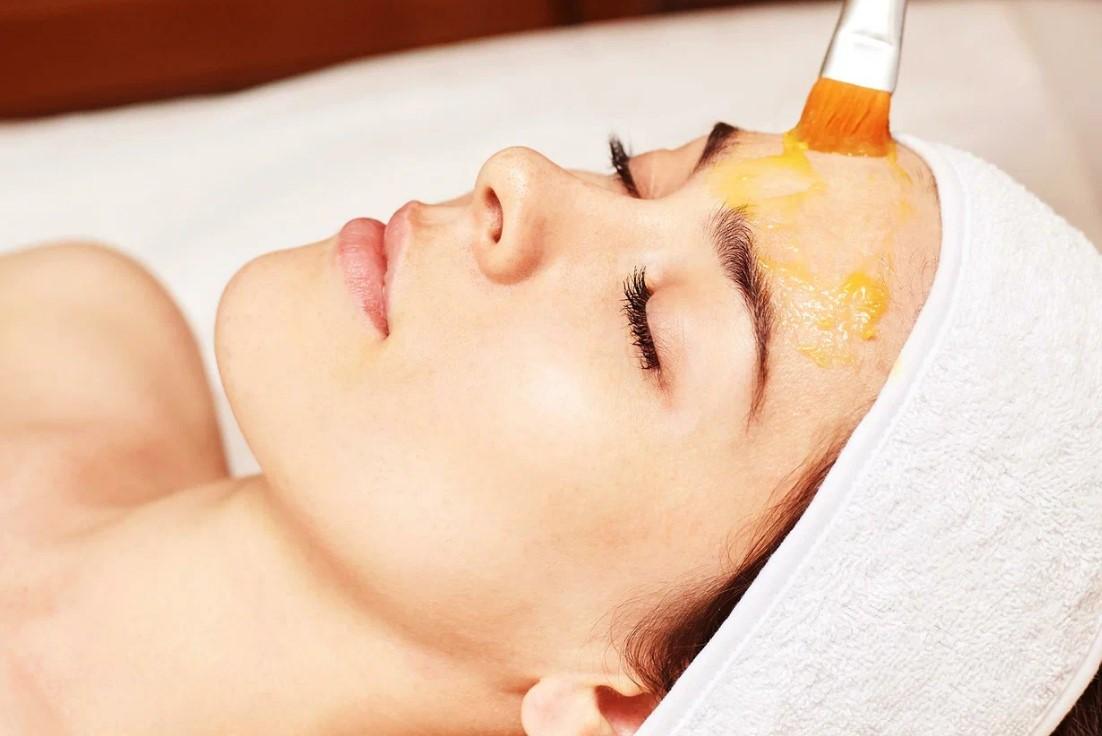
Post-Peel Skincare Routine for Best Results
A chemical peel can significantly improve skin texture, acne, pigmentation, and overall radiance—but the real success of the treatment depends heavily on what you do afterward. Post-peel skin is sensitive, freshly regenerated, and more vulnerable to irritation and sun damage. A well-structured skincare routine helps protect the skin barrier, speed up healing, and maximize results.
Whether you’ve had a light, medium, or deep peel, following the right post-peel skincare routine is essential for safe recovery and long-lasting benefits. Chemical Peels in Riyadh are a popular skincare treatment for improving skin texture, tone, and overall clarity.
Why Post-Peel Care Matters
After a chemical peel, the outer layer of damaged skin is removed, exposing fresh new skin underneath. While this new skin looks healthier, it is also:
- More sensitive to sunlight
- Prone to dryness and irritation
- Vulnerable to pigmentation if not protected
- Still rebuilding its protective barrier
Proper skincare ensures that healing happens smoothly without complications such as redness, dark spots, or uneven texture.
Step 1: Gentle Cleansing
Cleansing after a chemical peel should be extremely mild. Harsh cleansers can damage the healing skin and slow recovery.
How to cleanse properly:
- Use a fragrance-free, non-foaming cleanser
- Wash with lukewarm (not hot) water
- Pat skin dry gently with a soft towel
- Avoid scrubbing or exfoliating
During the first few days, cleansing once or twice daily is enough.
Step 2: Intensive Hydration
Hydration is the most important part of post-peel care. The skin often feels tight and dry as it regenerates, so moisturizing helps restore comfort and barrier function.
Best hydration practices:
- Apply a gentle, hydrating moisturizer regularly
- Look for ingredients like hyaluronic acid, ceramides, and glycerin
- Reapply moisturizer whenever the skin feels dry or tight
- Avoid heavy fragrances or active ingredients
Well-hydrated skin heals faster and reduces peeling discomfort.
Step 3: Sun Protection (Absolutely Essential)
After a chemical peel, the skin becomes highly sensitive to UV rays. Sun exposure can lead to pigmentation, irritation, and delayed healing.
Sun protection guidelines:
- Apply broad-spectrum sunscreen daily (SPF 30 or higher)
- Reapply every 2–3 hours if outdoors
- Avoid direct sun exposure, especially during peak hours
- Wear a hat or protective clothing when outside
Consistent sun protection is the most important step for preventing post-peel dark spots.
Step 4: Avoid Active Ingredients
For at least 7–14 days (or as advised by a dermatologist), avoid using strong skincare ingredients that can irritate healing skin.
Avoid:
- Retinoids (retinol, tretinoin)
- AHAs and BHAs (glycolic acid, salicylic acid)
- Vitamin C in high concentrations
- Scrubs or exfoliating brushes
- Alcohol-based toners
These ingredients can cause burning, redness, or over-exfoliation during the recovery phase.
Step 5: Support Skin Barrier Repair
A chemical peel temporarily disrupts the skin barrier, so repairing it is essential for smooth healing.
Use barrier-repair products:
- Ceramide-based creams
- Panthenol (Vitamin B5) moisturizers
- Soothing ingredients like aloe vera or centella asiatica
- Simple, non-comedogenic formulas
A strong skin barrier helps reduce sensitivity and improves long-term results.
Step 6: Do Not Pick or Peel Skin
During the healing phase, you may notice flaking or peeling skin. It is important not to interfere with this process.
What to avoid:
- Do not pick peeling skin
- Do not forcefully remove flakes
- Avoid scratching or rubbing the face
Letting the skin shed naturally prevents scarring and uneven pigmentation.
Step 7: Keep Skin Calm and Cool
After a peel, the skin may feel warm or irritated. Keeping it calm helps reduce discomfort and inflammation.
Helpful practices:
- Use cool compresses if needed
- Avoid hot showers and steam rooms
- Stay away from intense workouts for a few days
- Sleep on a clean pillowcase to avoid irritation
A calm environment supports faster recovery.
Step 8: Gradual Return to Active Skincare
Once the skin has fully healed, you can slowly reintroduce active ingredients into your routine.
Reintroduction tips:
- Start with low-strength products
- Introduce one active ingredient at a time
- Monitor skin response carefully
- Follow dermatologist guidance if available
This helps maintain results without irritating newly treated skin.
When to Expect Visible Results
Results vary depending on the type of peel:
- Light peels: glow and smoothness in 3–7 days
- Medium peels: improved tone and texture in 1–2 weeks
- Deep peels: gradual improvement over several weeks
With proper post-peel care, results become more even, long-lasting, and noticeable.
Conclusion
A well-planned post-peel skincare routine is essential for achieving the best results from chemical peel treatments. Gentle cleansing, deep hydration, strict sun protection, and avoiding harsh products all play a key role in safe healing.

 English
 Arabic
 French
 Spanish
 Portuguese
 Turkish
 Dutch
Dutch
 Italiano
 Russian
 Romaian
 Portuguese (Brazil)
 Greek
Greek