


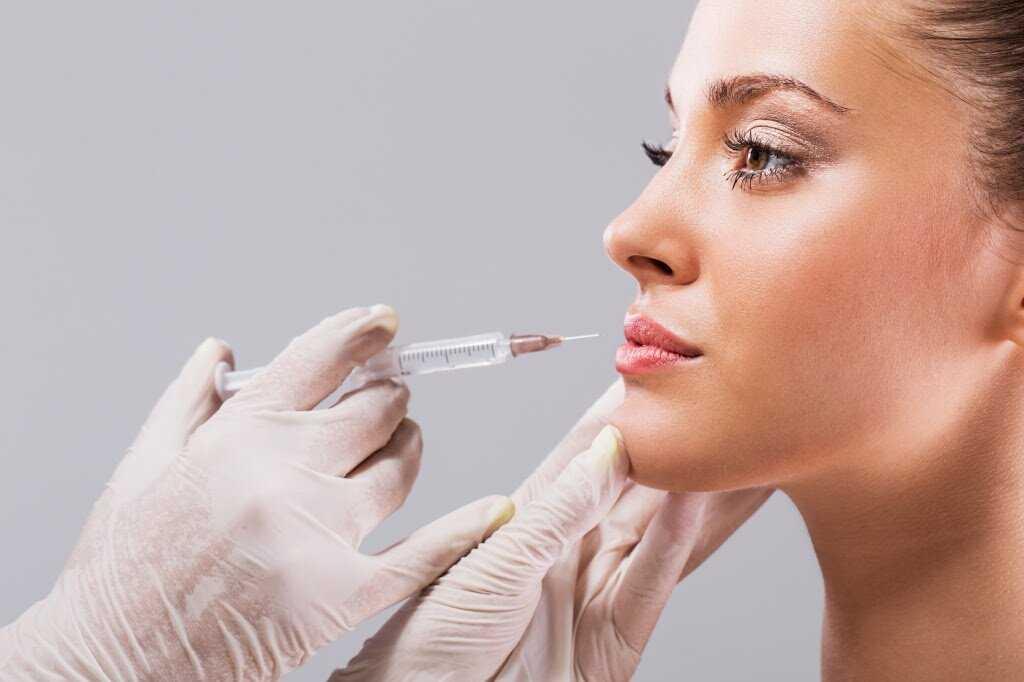
Safety Considerations Before Getting Dermal Fillers
Introduction
Dermal fillers are widely used for facial rejuvenation, contouring, and enhancing features such as lips, cheeks, and jawline. While they are generally considered safe when performed correctly, they are still medical procedures that require careful planning and awareness.
Understanding safety considerations before getting fillers is essential to reduce risks, avoid complications, and ensure natural-looking results. A well-informed decision significantly improves both the outcome and overall experience. Dermal fillers in Riyadh are widely used as a non-surgical option to restore facial volume and enhance natural features.
1. Choosing a Qualified and Experienced Practitioner
The most important safety factor is selecting the right professional. Dermal fillers should only be administered by trained and licensed medical practitioners with experience in facial anatomy.
A skilled injector understands:
- Facial structure and symmetry
- Safe injection depth and technique
- How to manage complications if they occur
Choosing an unqualified provider significantly increases the risk of uneven results, vascular complications, or infections.
2. Understanding Your Medical History
Before undergoing treatment, a thorough medical consultation is essential. Certain health conditions may affect suitability for dermal fillers.
You should inform your practitioner if you have:
- Allergies or previous reactions to cosmetic treatments
- Autoimmune conditions
- Blood clotting disorders
- Active skin infections or inflammation
- Pregnancy or breastfeeding status
This helps ensure the procedure is safe and appropriate for your individual health situation.
3. Knowing the Type of Filler Being Used
Not all dermal fillers are the same. Different types have different properties, longevity, and safety profiles.
The most commonly used fillers are hyaluronic acid-based products, known for their biocompatibility and reversibility. These are generally considered safer because they can be dissolved if needed.
Other fillers may last longer but are not always reversible, which makes understanding the product being used very important.
4. Avoiding Unrealistic Expectations
Safety is not only physical but also psychological. Having realistic expectations is crucial before treatment.
Dermal fillers can:
- Enhance facial features
- Restore lost volume
- Smooth wrinkles
However, they cannot completely stop aging or dramatically change bone structure. A proper consultation should clearly explain achievable results based on your facial anatomy.
5. Risk of Side Effects and Complications
Like any medical procedure, dermal fillers carry potential risks, although most are mild and temporary.
Common side effects include:
- Swelling
- Bruising
- Redness
- Tenderness at injection sites
Less common but more serious complications may include:
- Infection
- Lumps or uneven texture
- Allergic reactions
- Vascular complications (rare but serious if filler is accidentally injected into a blood vessel)
Understanding these risks helps patients make informed decisions.
6. Importance of Sterile Techniques
Safety depends heavily on hygiene and sterile practices. The treatment environment should be clean and medical-grade, and all instruments must be properly sterilized or single-use.
Proper sterilization reduces the risk of:
- Infection
- Contamination
- Skin irritation
A reputable clinic will always follow strict hygiene protocols.
7. Pre-Treatment Instructions
Following pre-treatment guidelines can significantly improve safety and results. Patients are often advised to:
- Avoid blood-thinning medications (if medically safe to do so)
- Limit alcohol consumption before treatment
- Avoid certain supplements that increase bruising risk
- Stay hydrated and maintain healthy skin condition
These steps help reduce bruising and swelling after injections.
8. Post-Treatment Care and Monitoring
After receiving fillers, proper aftercare is essential for safe healing and optimal results.
Patients are usually advised to:
- Avoid touching or massaging treated areas unless instructed
- Avoid intense exercise for 24–48 hours
- Stay away from excessive heat (saunas, sun exposure)
- Monitor for unusual symptoms
If severe pain, discoloration, or prolonged swelling occurs, medical attention should be sought immediately.
9. Understanding Reversibility Options
One major safety advantage of hyaluronic acid fillers is that they can be reversed using an enzyme called hyaluronidase.
This is important because it allows:
- Correction of uneven results
- Removal of excess filler
- Management of complications
Knowing whether your filler is reversible adds an extra layer of safety reassurance.
10. Avoiding Overfilling and Poor Technique
Overfilling is a common aesthetic mistake that can lead to unnatural results such as puffiness or distortion of facial features. Safe treatment focuses on gradual enhancement rather than excessive volume.
A good practitioner prioritizes:
- Facial balance
- Natural proportions
- Conservative initial treatment with gradual buildup
Conclusion
Dermal fillers are generally safe when performed by qualified professionals using approved products and proper techniques. However, safety depends heavily on preparation, practitioner expertise, and patient awareness.
Before getting fillers, it is essential to understand your medical history, choose a skilled injector, follow pre- and post-care instructions, and maintain realistic expectations.
When these safety considerations are taken seriously, dermal fillers can provide effective, natural-looking enhancements with minimal risk and high satisfaction.

 English
 Arabic
 French
 Spanish
 Portuguese
 Deutsch
 Turkish
 Italiano
 Russian
 Romaian
 Portuguese (Brazil)
 Greek
Greek