


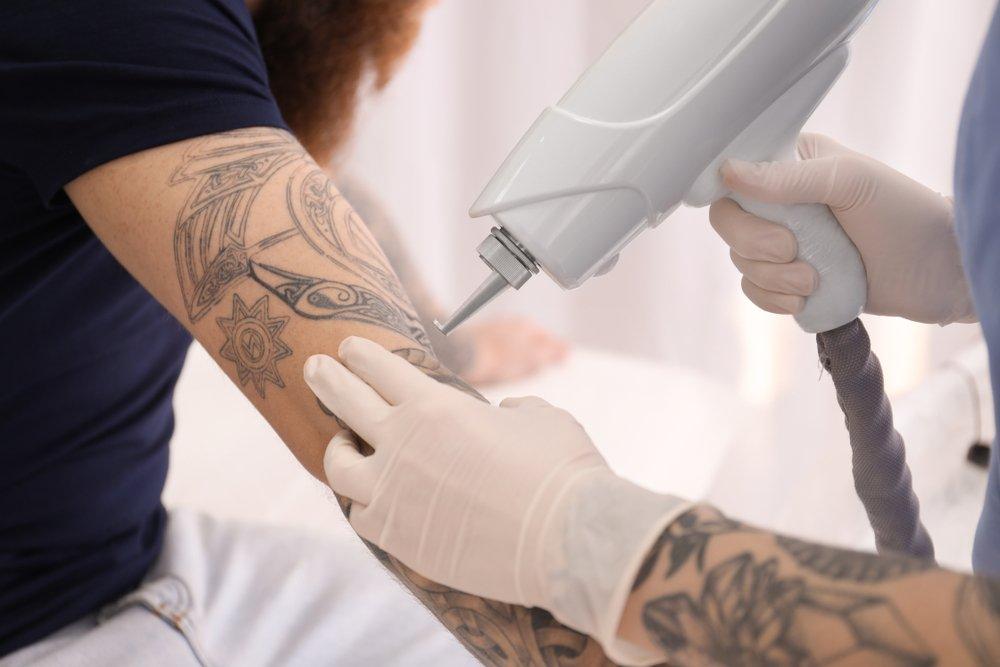
Removing Colored Tattoos Versus Black Ink
Tattoo removal is not equally effective for all ink types. One of the biggest differences in treatment outcomes comes down to black ink versus colored tattoos. While modern laser technology has made tattoo removal more efficient than ever, the color of the ink still plays a major role in how many sessions are needed, how well the tattoo fades, and how the skin responds during the process. If you're considering tattoo removal in Riyadh, it's important to understand the process, costs, and aftercare involved to achieve the best results.
Why Black Ink Is Easier to Remove
Black ink is the simplest and most responsive pigment to laser tattoo removal. This is because black absorbs nearly all wavelengths of laser light, making it easier to break down.
Key Reasons Black Ink Responds Better:
- Absorbs laser energy efficiently
- Breaks into smaller particles more quickly
- Requires fewer laser wavelength adjustments
- Responds well to standard removal lasers
Because of these properties, black tattoos typically fade faster and more consistently than colored ones. In many cases, black ink tattoos require fewer sessions and show noticeable fading earlier in the treatment process.
Challenges of Removing Colored Tattoos
Colored tattoos are significantly more complex because different pigments respond differently to laser wavelengths. Unlike black ink, which is universally absorbent, each color requires a specific type of laser energy.
Common Difficult Colors:
- Green
- Blue
- Yellow
- Orange
- Light purple or turquoise
These colors often reflect more light instead of absorbing it, making them harder to break down.
Why Colors Are Harder to Treat
Colored inks are formulated using different chemical compounds, and each pigment interacts differently with laser technology.
Main Challenges:
- Some colors require multiple laser wavelengths
- Pigments may sit deeper or unevenly in the skin
- Certain inks resist breaking into smaller particles
- Multiple sessions are often needed for fading
For example, green and blue pigments are known to be particularly stubborn and may require specialized lasers or extended treatment plans.
Number of Sessions: Black vs Colored Tattoos
The number of sessions needed can vary significantly depending on ink type.
Black Ink Tattoos:
- Typically fade faster
- May require fewer sessions overall
- Often show visible results within the first few treatments
Colored Tattoos:
- Usually require more sessions
- May fade unevenly
- Often need longer treatment timelines
A black tattoo might reach near-complete removal in fewer sessions compared to a multi-colored design of the same size and depth.
Laser Technology and Color Removal
Modern laser systems use different wavelengths to target specific colors. For example:
- Black ink responds to multiple wavelengths
- Red ink often responds well to green-light lasers
- Green and blue inks may require specialized high-energy lasers
Advanced devices like picosecond and Q-switched lasers have improved the removal of colored tattoos, but they still require more precision and treatment time compared to black ink.
Risk of Skin Changes
Colored tattoo removal can sometimes carry a slightly higher risk of temporary skin changes because higher or multiple laser settings may be needed.
Possible side effects include:
- Temporary redness or swelling
- Hyperpigmentation (dark spots)
- Hypopigmentation (light spots)
- Uneven fading patterns
These effects are usually temporary but require proper aftercare and spacing between sessions.
Does Tattoo Quality Matter?
Yes, both ink color and tattoo quality influence removal success. Professional tattoos often use denser and more stable pigments, especially in colored designs, making them harder to remove than amateur tattoos.
- Professional colored tattoos: more resistant
- Amateur black tattoos: often easier to remove
- Mixed-color professional tattoos: most challenging
Combination Tattoos (Black + Color)
Many tattoos contain both black outlines and colored shading. In these cases:
- Black outlines fade faster
- Colored areas remain longer
- Treatment is often uneven at first
- Multiple laser types may be used in one session
This can make the removal process more complex but still manageable with the right approach.
Final Thoughts
When comparing black ink and colored tattoos, black ink is consistently easier, faster, and more predictable to remove. Colored tattoos, on the other hand, require more time, more specialized laser settings, and often more sessions due to the complexity of different pigments.
However, advances in laser technology have made even stubborn colors more treatable than before. With patience, proper technique, and an experienced specialist, both black and colored tattoos can be significantly faded or removed over time.

 English
 French
 Spanish
 Portuguese
 Deutsch
 Turkish
 Dutch
Dutch
 Italiano
 Russian
 Romaian
 Portuguese (Brazil)
 Greek
Greek