


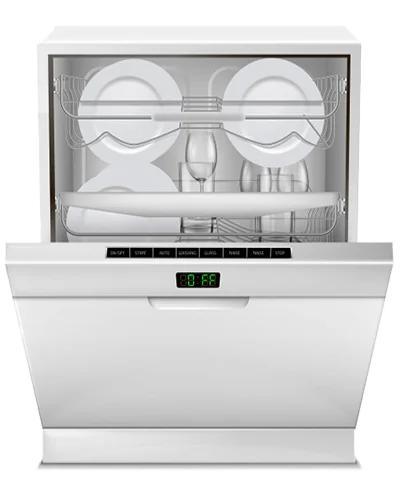
A dishwasher saves time every day, especially in busy Dubai homes. It cleans plates, glasses, pans, and cutlery while you handle other tasks. When it stops working properly, the kitchen routine becomes slow and frustrating. Dishes may come out dirty, water may stay at the bottom, or the machine may start leaking near the cabinet.
Many dishwasher problems begin with small signs. You may notice food spots on plates, cloudy glasses, bad smell, weak water spray, or unusual noise. These signs do not always mean the dishwasher has failed completely. Sometimes the issue comes from blocked filters, poor loading, low water flow, or a dirty spray arm. Other times, the problem needs a technician.
This guide explains common dishwasher problems, what you can safely check at home, and when you should book professional service.
Dishes Come Out Dirty
Dirty dishes after a full wash cycle usually mean the dishwasher did not clean with enough water pressure, heat, or detergent action. You may see food particles, grease marks, cloudy stains, or dried soap on plates and glasses.
Start with loading habits. Plates should not block the spray arms. Bowls should face downward. Large pans should not cover smaller items. If the spray arm cannot rotate freely, water cannot reach all areas.
Next, check the filter. Food particles can block it and reduce cleaning performance. Remove the filter carefully, rinse it under running water, and place it back correctly. Also check the spray arm holes. Small food particles or mineral deposits can block them.
If the dishwasher still leaves dishes dirty after cleaning the filter and spray arms, the machine may have a pump, inlet valve, heating element, or motor issue. At that point, a proper dishwasher repair in Dubai check can help find the cause instead of repeating the same wash cycle again and again.
Dishwasher Not Draining Properly
Standing water at the bottom of the dishwasher is a common issue. After the cycle ends, you may open the door and see dirty water still inside. This can create bad smell and poor washing results.
A blocked filter often causes drainage problems. Food pieces, broken glass, grease, or labels from jars can collect near the drain area. A clogged drain hose can also stop water from leaving the machine. In some cases, the drain pump may fail.
Turn off the dishwasher before checking the bottom area. Remove visible food pieces carefully. Clean the filter and check if the drain area looks blocked. Do not push sharp tools into the pump area because you may damage parts.
If water stays inside after basic cleaning, the dishwasher needs inspection. A technician can check the drain hose, pump, filter housing, and connection under the sink.
Dishwasher Leaking Water
A leaking dishwasher can damage kitchen flooring, cabinets, and nearby walls. Sometimes water appears at the front door. Other times, leakage starts under the appliance or near the hose connection.
A worn door gasket can cause leakage from the front. A loose hose can leak from the back or side. Too much detergent can create excess foam and push water out. A cracked spray arm can spray water in the wrong direction. A faulty inlet valve can also overfill the machine.
Check the door seal first. Look for cracks, food dirt, or loose sections. Wipe the gasket with a soft cloth. Also check if the dishwasher sits level. A tilted machine can leak during operation.
Do not ignore repeated leakage. Water can reach electrical parts and create safety risks. If leakage continues after cleaning the seal and checking detergent use, arrange service.
Dishwasher Has a Bad Smell
Bad smell usually comes from trapped food, grease, standing water, or mold. Dishwashers handle dirty plates every day, so food particles can collect in the filter, spray arms, door edges, and drain area.
Clean the filter regularly. Wipe the door gasket and lower edges. Run an empty hot cycle with a dishwasher-safe cleaner if the manual allows it. Avoid leaving dirty dishes inside for too long, especially in warm weather.
If the smell returns quickly after cleaning, the drain system may have a blockage. Standing water inside the machine can create odor and affect washing quality. A technician can check the drain hose, pump, and internal water path.
Dishwasher Not Filling with Water
A dishwasher cannot clean dishes if it does not fill with enough water. You may hear the machine start, but the wash cycle does not work properly. Dishes may stay dry, or the cycle may stop early.
This issue can come from a closed water supply valve, blocked inlet filter, faulty inlet valve, weak water pressure, or float switch problem. The float switch helps control water level. If it gets stuck, the dishwasher may think it already has enough water.
Check if the water supply valve remains open. Make sure the inlet hose does not bend sharply. If your home has low water pressure, the machine may not fill correctly.
If water still does not enter, avoid opening internal panels yourself. A technician can test the inlet valve, float switch, wiring, and water pressure.
Dishwasher Filling Too Much
Overfilling can cause leakage, poor cleaning, and cycle problems. You may see water rising too high inside the machine or leaking from the door.
A faulty inlet valve can allow too much water into the dishwasher. A stuck float switch can also fail to stop filling at the right level. In some cases, detergent foam can make it look like the machine has too much water.
Use only dishwasher detergent, not regular dish soap. Regular soap creates too much foam and can push water out of the machine.
If the dishwasher overfills more than once, unplug it or turn off the power supply and call a technician. Overfilling can damage floors and electrical parts.
Spray Arms Not Moving
Spray arms spread water around the dishwasher. If they do not rotate, dishes will not clean properly. You may see dirty plates on one rack while the other rack looks cleaner.
Food pieces, mineral deposits, or poor loading can block the spray arms. Large utensils, pan handles, or tall dishes can stop the arms from spinning. Low water pressure can also reduce spray force.
Before starting a cycle, spin the spray arms by hand to check movement. Clean the small holes with care. Do not force the arms if they feel stuck.
If the arms remain weak even after cleaning, the dishwasher may have a pump or water pressure issue. A technician can test the circulation pump and related parts.
Dishwasher Making Strange Noise
Dishwashers make some sound during normal use. You may hear water spraying, draining, or motor movement. Loud grinding, buzzing, knocking, or rattling sounds need attention.
A small object may sit near the pump area. Broken glass, seeds, bones, or hard food pieces can create noise. A spray arm may hit a dish. A loose rack wheel can also cause rattling. A faulty motor or pump can create louder sounds.
Stop the cycle if the noise sounds harsh. Check the inside for visible objects. Make sure dishes do not block the spray arms. If the noise continues, avoid running more cycles because pump damage can get worse.
Dishwasher Door Not Closing
A dishwasher door must close firmly before the cycle starts. If it does not latch, the machine may not run at all.
This can happen because of a damaged latch, misaligned rack, blocked door seal, or loose hinge. Sometimes a large dish or pan stops the rack from sliding in fully, which prevents the door from closing.
Check the racks first. Move dishes away from the front. Clean the gasket. Look for anything stuck near the latch.
If the door still does not close, the latch or hinge may need repair. Do not force the door shut because that can break the latch assembly.
Dishwasher Stops Mid-Cycle
A dishwasher that stops during a cycle may have an electrical issue, door latch problem, overheating fault, blocked drain, or control board problem. Sometimes a power fluctuation can also interrupt the cycle.
Check if the door closed fully. Look at the power supply. See if the breaker tripped. If the dishwasher shows an error code, take a photo before resetting it.
If the same issue happens again, the appliance needs inspection. A technician can test the door latch, drain system, motor, heater, sensors, and control board.
Dishes Stay Wet After Washing
Drying problems can come from poor rinse aid use, low heat, a faulty heating element, blocked vent, or wrong loading. Plastic items may stay wet longer than glass or metal because they do not hold heat well.
Check rinse aid levels if your dishwasher uses it. Avoid stacking items too closely. Let air move between dishes. Use the correct cycle for heavy loads.
If all dishes stay wet after every cycle, the heating element, thermostat, or drying fan may need testing.
White Marks on Glasses and Plates
White marks usually come from hard water minerals, too much detergent, low rinse aid, or poor water temperature. Dubai water conditions can make mineral marks more noticeable in some areas.
Use the right amount of detergent. Add rinse aid if your dishwasher supports it. Clean the filter and spray arms. Run a cleaning cycle when needed.
If the marks continue, the dishwasher may not heat water properly or may not rinse correctly. A technician can check the heating system and water flow.
When Dishwasher Servicing Makes Sense
Not every issue needs a major repair. Regular dishwasher servicing can help when the machine works but performs poorly. Servicing may include filter cleaning, spray arm cleaning, drain inspection, gasket checking, and basic performance testing.
A planned dishwasher servicing in Dubai visit can help when dishes come out cloudy, the machine smells bad, water drains slowly, or the wash cycle takes longer than usual.
Servicing can also catch early signs before they turn into bigger problems. This matters in homes where the dishwasher runs daily.
Kitchen Appliances Often Show Connected Usage Problems
Dishwashers and refrigerators often face similar kitchen-related issues. Heat, poor ventilation, heavy daily use, and cleaning habits can affect performance. A kitchen with several appliances needs simple care routines so each machine works properly.
For example, a dishwasher may smell because of food buildup, while a fridge may smell because of blocked drainage or spoiled food. Both problems need regular cleaning and timely inspection. If you also notice cooling issues in your kitchen appliance setup, refrigerator servicing near me may help when the fridge shows weak cooling, leaks, or frost buildup.
Simple Dishwasher Care Tips
You can reduce many dishwasher problems with basic habits. Scrape large food pieces from plates before loading. Do not overload racks. Keep spray arms free. Clean the filter every few days if you use the dishwasher often. Use the right detergent.
Leave the door slightly open after a cycle if your kitchen allows it. This helps moisture escape and reduces odor. Wipe the gasket and door edges regularly. Check for small items that may fall near the drain.
Avoid using regular dish soap. It creates foam and can cause leakage. Also avoid placing items that the manufacturer does not allow, such as some wooden items, delicate plastics, or painted dishes.
When to Call a Technician
Call a technician when the dishwasher leaks, does not drain, does not fill, stops mid-cycle, makes loud noise, or leaves dishes dirty after cleaning the filter and spray arms.
You should also get help when the machine shows repeat error codes, trips electricity, smells bad after cleaning, or fails to dry dishes. These signs often point to internal parts that need testing.
A good repair visit should include inspection, explanation, and the right fix. The technician should check the actual cause instead of replacing parts without testing.
A Neutral Place to Review Appliance Service Categories
When comparing repair needs for different household machines, the service overview for home appliance repair services in Dubai can help you check which appliance category matches your issue before booking a visit.
Final Thoughts
Dishwasher problems can start with small signs like dirty dishes, slow drainage, bad smell, cloudy glasses, or weak spray. These issues may come from simple causes such as a dirty filter, blocked spray arm, or poor loading. They can also point to pump, valve, heater, motor, or control board problems.
Start with safe checks at home. Clean the filter, clear the spray arms, check the door seal, and load dishes correctly. If the problem returns, call a technician before water leakage or pump damage creates a bigger repair cost.
A dishwasher works best when you clean it regularly, use it correctly, and fix early warning signs on time.

 English
 Arabic
 French
 Spanish
 Portuguese
 Deutsch
 Turkish
 Dutch
Dutch
 Italiano
 Russian
 Romaian
 Portuguese (Brazil)