


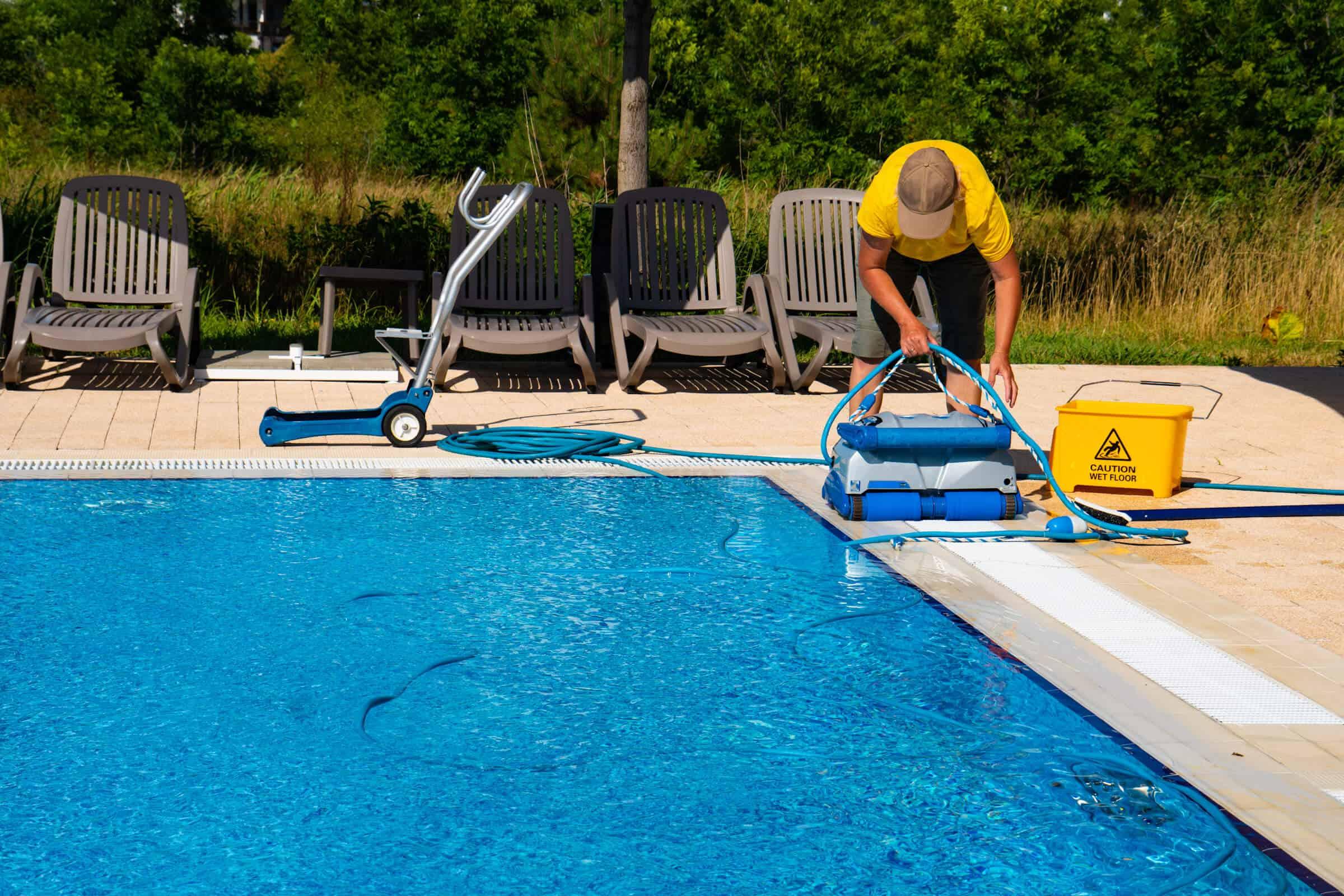
Pool coping tiles play an important role in both appearance and function. They create a finished edge around the swimming pool while protecting surrounding structures. Therefore, choosing the right coping tiles improves safety, durability, and visual appeal.
Pool owners often focus on water features, decking, or landscaping. However, coping tiles deserve equal attention. They impact comfort, maintenance, and the overall style of the pool area.
Understanding pool coping materials, installation methods, and design choices helps homeowners make informed decisions.
What Are Pool Coping Tiles?
Pool coping tiles are the finishing materials installed along the edge of a swimming pool. They cap the pool shell and create a smooth transition between the pool and the surrounding deck.
Coping protects the pool structure from water damage. Additionally, it directs splashed water away from the pool walls.
These tiles also create a comfortable edge for swimmers to sit or grip when entering and exiting the water.
Why Pool Coping Tiles Matter
Pool coping tiles offer more than decoration. They provide structural support and improve safety.
Proper coping prevents water from seeping behind the pool shell. Therefore, it reduces the risk of cracks and long-term damage.
Coping tiles also help create a non-slip edge. This feature lowers the risk of accidents around wet pool areas.
Additionally, attractive coping enhances the visual flow between the pool and surrounding landscape.
Types of Pool Coping Tiles
Different materials offer unique benefits. Therefore, selecting the right type depends on style, budget, and climate.
Natural Stone Coping
Natural stone creates a timeless and elegant appearance.
Popular stone options include:
- Travertine
- Limestone
- Sandstone
- Granite
- Bluestone
Stone coping stays cooler under sunlight. Therefore, it remains comfortable during hot weather.
Natural textures also provide slip resistance.
Concrete Coping
Concrete coping is affordable and versatile.
It can be poured or precast in various shapes and colors.
Concrete works well for modern and minimalist pool designs. Additionally, it offers durability when properly sealed.
Brick Coping
Brick coping creates a traditional and warm appearance.
It works well with classic landscapes and rustic outdoor spaces.
Brick provides strong durability. However, regular maintenance may be required to prevent erosion.
Porcelain Coping Tiles
Porcelain tiles offer a clean and modern finish.
They resist moisture, stains, and fading.
Porcelain coping also comes in many colors and textures. Therefore, homeowners can match their outdoor design preferences.
Paver Coping
Paver coping blends well with surrounding decks.
Many homeowners choose pavers for a seamless transition between pool and patio.
Pavers also offer flexibility in design patterns.
Important Factors to Consider When Choosing Pool Coping Tiles
Selecting pool coping involves several important decisions.
Slip Resistance
Pool areas remain wet most of the time.
Therefore, slip-resistant surfaces improve safety.
Textured coping materials reduce slipping risks.
Heat Resistance
Some materials absorb heat faster than others.
Natural stone and light-colored coping remain cooler under direct sunlight.
This feature improves comfort during summer.
Durability
Pool coping faces constant water exposure and weather changes.
Strong materials resist cracking, fading, and erosion.
Durability becomes especially important in areas with temperature fluctuations.
Maintenance Requirements
Different coping materials require different care levels.
Natural stone may need sealing. Porcelain requires less maintenance.
Understanding maintenance helps homeowners avoid future issues.
Style Compatibility
Coping should match the pool design and outdoor environment.
Modern pools often use sleek porcelain or concrete.
Traditional pools may look better with stone or brick.
Pool Coping Tile Shapes and Edge Styles
Coping comes in different edge designs.
Bullnose Edge
Bullnose coping features a rounded front edge.
This design creates a soft and comfortable finish.
Square Edge
Square-edge coping provides a clean and modern appearance.
It works well with geometric pool designs.
Drop Face Coping
Drop face coping extends vertically along the pool wall.
This style creates a dramatic visual effect.
Cantilevered Coping
Cantilever coping extends slightly over the pool edge.
It creates a seamless transition between the deck and pool.
Benefits of Pool Coping Tiles
Pool coping improves both function and appearance.
Protects Pool Structure
Coping prevents water damage around the pool shell.
Therefore, it supports long-term durability.
Improves Safety
Slip-resistant edges reduce accidents.
Safe coping supports comfortable movement around the pool.
Enhances Visual Appeal
Coping frames the pool beautifully.
It creates a polished and finished appearance.
Increases Property Value
Well-designed pool features improve outdoor spaces.
Therefore, attractive coping adds value to the property.
Common Pool Coping Tile Problems
Poor installation or low-quality materials may cause issues.
Cracking
Extreme weather or ground movement may cause cracks.
Proper installation reduces this risk.
Loose Tiles
Weak adhesive or poor bonding leads to loose coping.
Routine inspections help prevent damage.
Discoloration
Water chemicals may stain certain materials.
Sealing protects coping from discoloration.
Water Damage
Improper drainage allows water to collect behind coping.
This issue may weaken surrounding structures.
Pool Coping Tile Installation Tips
Professional installation improves long-term performance.
Ensure Proper Drainage
Water should flow away from the pool edge.
Good drainage prevents damage.
Choose Quality Adhesives
Strong adhesives improve tile stability.
Maintain Consistent Spacing
Even spacing creates a polished appearance.
Seal Porous Materials
Stone coping benefits from sealing.
This step improves durability and stain resistance.
How to Maintain Pool Coping Tiles
Regular care keeps coping, attractive, and functional.
Clean Regularly
Remove dirt, leaves, and pool chemicals.
Inspect for Damage
Check for loose or cracked coping.
Early repairs prevent larger problems.
Seal When Needed
Natural stone requires periodic sealing.
This protects against moisture and staining.
Avoid Harsh Chemicals
Strong cleaners may damage coping surfaces.
Use pool-safe cleaning products.
Conclusion
Pool coping tiles provide both protection and design value. They improve safety, reduce water damage, and enhance the appearance of outdoor spaces.
Choosing the right material depends on durability, comfort, maintenance, and style. Therefore, careful planning helps homeowners achieve long-lasting results.
Well-selected coping tiles create a finished pool design while supporting long-term performance. Proper installation and maintenance ensure lasting beauty and functionality.

 English
 Arabic
 French
 Spanish
 Portuguese
 Deutsch
 Turkish
 Dutch
Dutch
 Italiano
 Russian
 Romaian
 Portuguese (Brazil)