


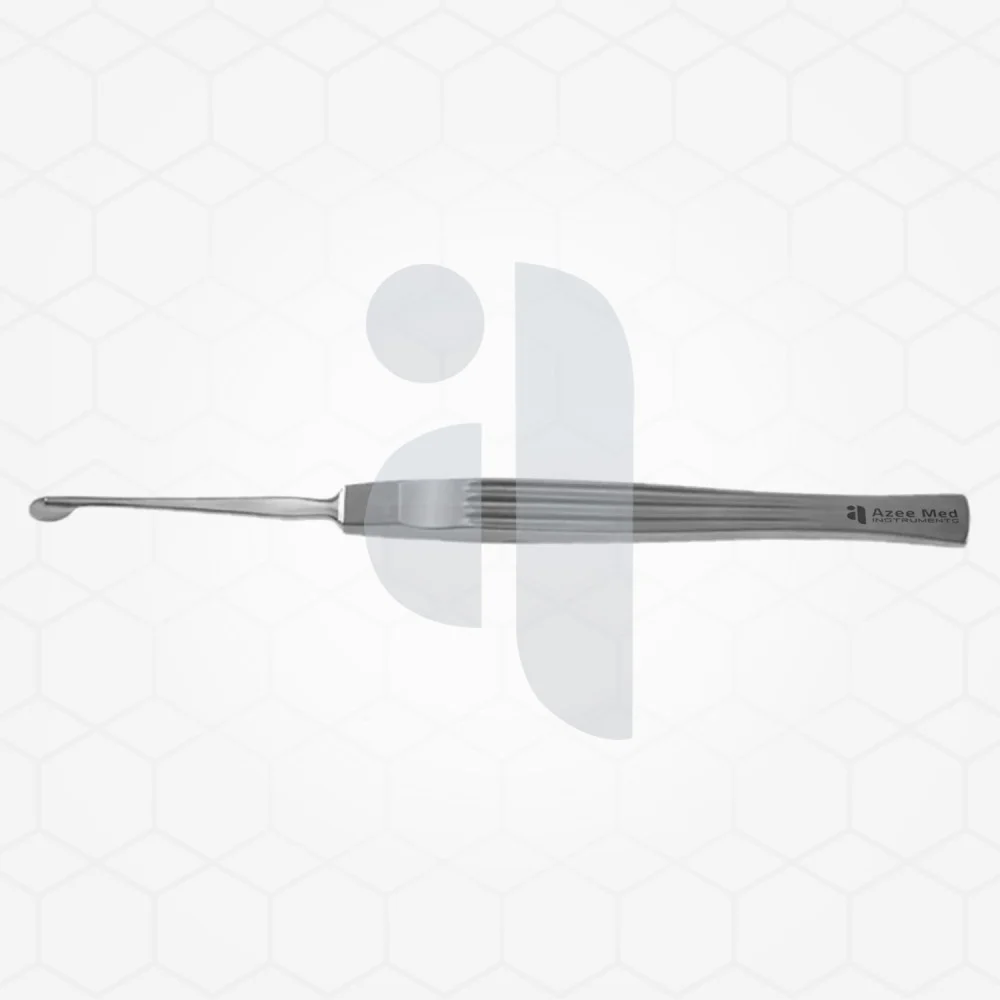
Nasal surgery demands exceptional precision from the surgeon. A single millimetre can drastically alter both the aesthetic and functional outcome of a procedure. Among the myriad of tools available in the operating theatre, the Cottle knife stands out as a truly indispensable item for specialists.
This article provides an in-depth exploration of this valuable tool's anatomy, its clinical applications, and its impact on surgical outcomes. We will review its specific use in nasal procedures and how it interacts with other instruments. By the end of this article, you will understand why this specialised scalpel remains a favourite in operating theatres worldwide.
History and Ergonomic Design
The development of specific surgical instruments has transformed modern otolaryngology. Dr Maurice H. Cottle, a pioneer in nasal surgery, designed this knife to address very specific anatomical challenges. His vision was to create a tool that allowed for precise incisions without damaging the surrounding tissues.
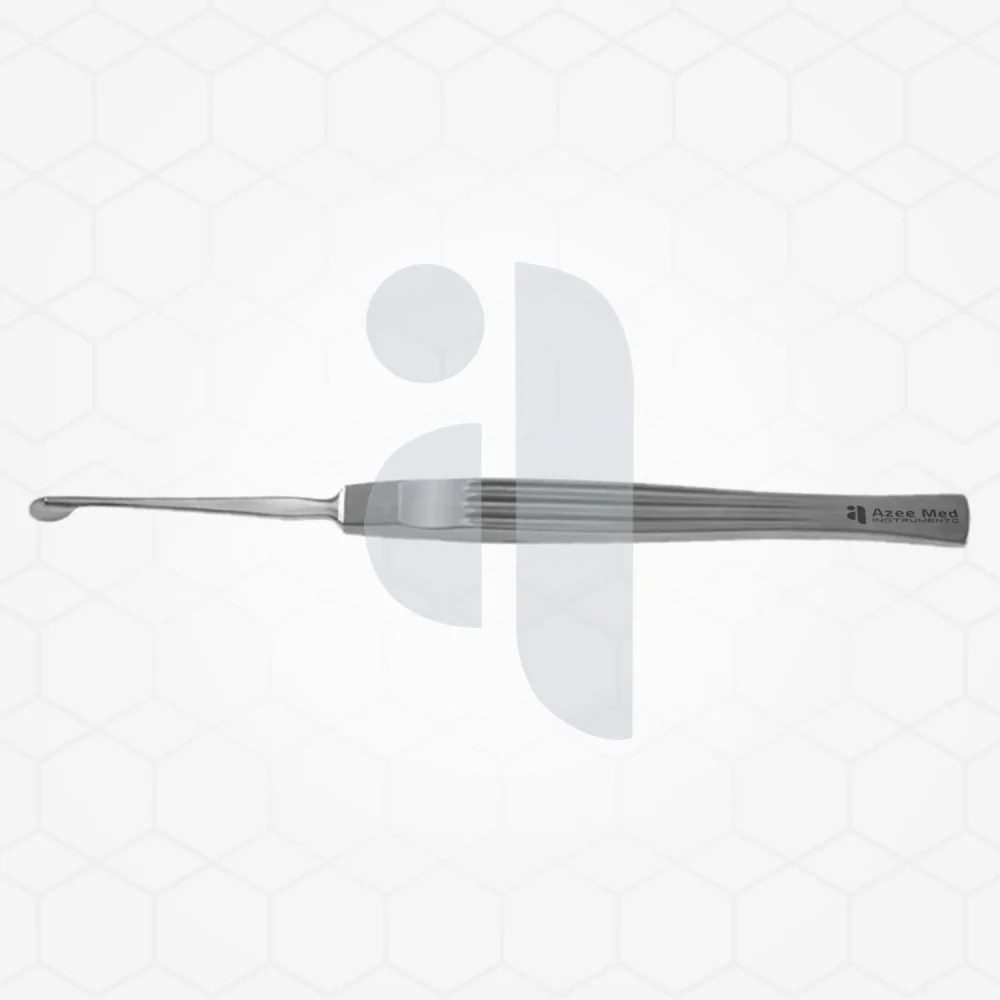
The design of the Cottle knife is unique and highly functional. It features a robust, heavy handle that provides perfect balance in the surgeon's hand. This weight distribution allows for controlled, firm movements with minimal effort. The short, sharp blade is specifically designed to access narrow spaces within the nasal cavity.
Ergonomics play a crucial role in lengthy surgical procedures. Surgeons experience less hand fatigue thanks to the instrument's textured grip. This secure hold prevents accidental slips when gloves are wet with bodily fluids.
Precision in Septoplasty
Septoplasty is perhaps the procedure where the Cottle knife truly shines. The primary goal here is to correct a deviated septum to improve the patient's airflow. To achieve this, the surgeon must carefully separate the mucoperichondrium from the underlying cartilage.
The Cottle knife allows the initial hemitransfixion incision to be made with unparalleled accuracy. Its short blade penetrates the mucosa without going through the entire septal cartilage, which is crucial for maintaining the structural integrity of the nose. Once the incision is made, the same instrument helps to find the correct surgical plane.
Staying in the precise subperichondrial plane significantly reduces bleeding and speeds up the patient's recovery. The rounded shape of the blade's tip facilitates the initial elevation of the mucoperichondrial flap. Surgical trainees quickly learn that mastering this step with the Cottle knife defines the success of the entire operation.
Critical Applications in Rhinoplasty
Rhinoplasty combines anatomical science with the artistic vision of the plastic or maxillofacial surgeon. In these procedures, the Cottle knife is used to access the nasal dorsum and modify the cartilaginous structures. The precision of its cuts allows for sculpting the cartilage with predictable and symmetrical results.
Delicacy is vital during the exposure of the upper lateral cartilages and the alar domes. The surgeon uses the knife to release fibrous attachments without tearing the overlying skin. This meticulous technique prevents the formation of excessive scar tissue that could ruin the final aesthetic result.
Furthermore, the tool is extremely useful for harvesting cartilage grafts. Whether extracting material from the septum itself or from the conchal bowl of the ear, the clean cut of the Cottle knife ensures the graft maintains sharp edges. A well-cut graft integrates much better into its new anatomical location.
Integration into the General Surgical Kit
Surgical procedures rarely depend on a single instrument. The modern operating theatre requires highly organised and diversified surgical trays. A head and neck surgeon relies on a complete arsenal to address the different structures of the upper airways.
While the Cottle knife handles the fine work on the septum, other tools manage adjacent anatomical areas. For example, during extensive reconstructive surgery that involves both the nasal cavity and the oropharynx, the surgeon might temporarily shift focus. In these comprehensive cases, it is common for the specialist to put down the nasal scalpel and pick up a tonsil instrument to manage hypertrophied lymphoid tissue.
The seamless transition between these specialised instruments demonstrates the efficiency of the surgical team. Instrument nurses know exactly when to present each tool based on the phase of the operation. This synchronisation reduces the time under general anaesthesia and improves patient safety.
Handling Delicate Tissues and Vascular Considerations
The nasal mucosa is one of the most vascularised areas of the human body. Managing blood flow and protecting the capillary networks is a constant challenge during any nasal approach. The correct use of the Cottle knife helps to minimise initial trauma by identifying natural avascular planes.
However, in cases of complex reconstruction or when anatomical anomalies are present, vascular management requires additional attention. Surgeons must isolate and protect minuscule blood vessels to prevent persistent haemorrhage or tissue necrosis. In these critical situations, a vessel dilator becomes indispensable for widening and protecting small peripheral arteries or veins.
The combined work of these instruments ensures optimal preservation of the vascular network. While the knife makes precise cuts and clean dissections, the vascular tools handle haemostasis and flap viability. This multidisciplinary approach to tissue management separates expert surgeons from novices.
Instrument Maintenance and Sterilisation
The longevity and effectiveness of a Cottle knife depend directly on its post-operative care. The medical-grade stainless steel used in its manufacture resists corrosion but requires meticulous maintenance. Immediate cleaning after surgery is the first step to prevent biological fluids from drying on the surface.
Blade sharpening is a critical aspect that medical institutions must constantly monitor. A blunt scalpel forces the surgeon to apply more pressure than necessary, increasing the risk of tissue tears. Sterile processing departments employ specialised techniques to maintain the exact sharpness without prematurely wearing down the metal.
Autoclave sterilisation protocols must be followed to the letter. The instrument should be placed in perforated trays that allow for proper circulation of high-pressure steam. Proper maintenance ensures the knife is always in optimal condition for the next patient entering the operating theatre.
Clinical Value in Medical Training
For residents in otolaryngology and plastic surgery, mastering the Cottle knife represents a fundamental milestone. Residency programmes dedicate hours of simulations and supervised practice to teach the correct angle of approach. Learning to "feel" the cartilage through the scalpel's handle is an invaluable tactile skill.
The teaching focuses on the sensory feedback the instrument provides. A cut in the correct plane offers smooth, consistent resistance, whereas hitting bone or perforating the mucosa is immediately perceived as different. This learning curve ensures that new generations of surgeons maintain high standards of safety.
Contemporary surgical technique manuals continue to dedicate entire chapters to the use of this tool. Despite advances in endoscopic and laser surgery, manual dissection with cold steel instruments remains the gold standard. The Cottle knife embodies this tradition of anatomical excellence.
Conclusion
The Cottle knife is much more than a simple piece of sharpened metal. It is a direct extension of the surgeon's hand, enabling interventions with nanometric precision in the complex nasal anatomy. From elevating the mucoperichondrial flap in a septoplasty to meticulously carving grafts in a rhinoplasty, its clinical utility is irreplaceable.
Understanding the function of this tool, its interaction with other instruments, and the principles of vascular preservation is crucial for any professional in the field. We invite you to review your institution's maintenance protocols to ensure your instruments always deliver maximum performance. Keeping your equipment in optimal condition is the first step towards surgical excellence and the well-being of your patients.

 Arabic
 French
 Spanish
 Portuguese
 Deutsch
 Turkish
 Dutch
Dutch
 Italiano
 Russian
 Romaian
 Portuguese (Brazil)
 Greek
Greek