


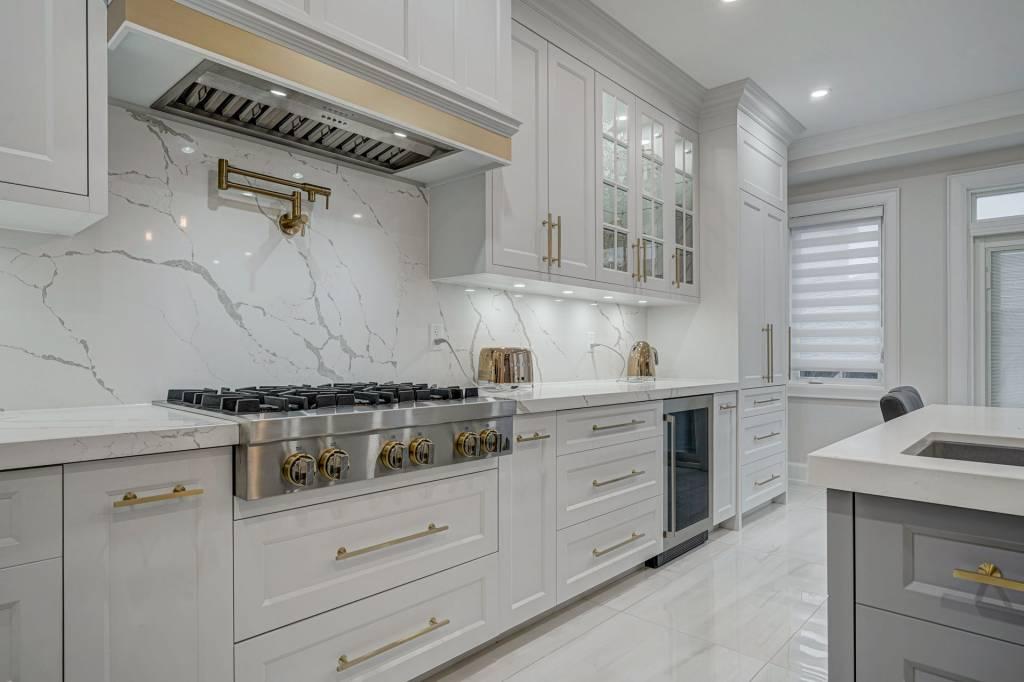
A kitchen remodel is one of the most rewarding home improvement projects you can undertake. It not only enhances the functionality and aesthetics of your space but also adds significant value to your home. Whether you’re aiming for a modern upgrade or a complete transformation, careful planning and smart decision-making are essential to achieving your dream kitchen.
Step 1: Define Your Goals and Needs
Before diving into design ideas, take time to evaluate how your current kitchen works—and what it lacks. Ask yourself:
- Do you need more storage or counter space?
- Is your kitchen layout efficient for cooking and entertaining?
- Are you looking for a style upgrade, better lighting, or modern appliances?
Understanding your priorities will guide every decision you make throughout the remodeling process.
Step 2: Set a Realistic Budget
Budgeting is one of the most important aspects of kitchen remodeling. Costs can vary widely depending on the size of your kitchen, materials, and the scope of the project. A typical remodel budget should account for:
- Cabinets and hardware
- Countertops
- Appliances
- Flooring
- Lighting and electrical work
- Plumbing and fixtures
- Labor costs
It’s also wise to set aside an additional 10–20% as a contingency fund for unexpected expenses.
Step 3: Choose the Right Layout
The layout of your kitchen plays a major role in its functionality. Popular layouts include:
- L-shaped kitchens – Ideal for maximizing corner space
- U-shaped kitchens – Offers plenty of storage and work areas
- Galley kitchens – Great for smaller spaces
- Open-concept kitchens – Perfect for modern homes and entertaining
Focus on the classic “work triangle” (sink, stove, refrigerator) to ensure efficiency and smooth workflow.
Step 4: Select Quality Materials
Choosing the right materials is key to both durability and style. Consider:
- Cabinets: Solid wood, plywood, or MDF options depending on budget
- Countertops: Quartz, granite, or laminate for different price points
- Flooring: Tile, hardwood, or vinyl for durability and maintenance
- Backsplash: Adds personality and protects your walls
Balancing quality and cost will help you create a kitchen that lasts for years.
Step 5: Focus on Storage and Functionality
A well-designed kitchen maximizes storage while maintaining a clean and organized look. Incorporate:
- Pull-out drawers and shelves
- Lazy Susans for corner cabinets
- Vertical storage solutions
- Pantry cabinets
Smart storage solutions can significantly improve usability without increasing your kitchen’s footprint.
Step 6: Pick a Design Style
Your kitchen should reflect your personal taste while complementing the rest of your home. Popular styles include:
- Modern: Clean lines, minimal design, neutral colors
- Traditional: Warm tones, detailed cabinetry, classic finishes
- Contemporary: A blend of modern and current trends
- Farmhouse: Rustic charm with natural textures
Choose a cohesive color palette and finishes to create a harmonious look.
Step 7: Upgrade Appliances and Lighting
Modern appliances not only improve efficiency but also enhance the overall design. Look for energy-efficient options that fit your lifestyle.
Lighting is equally important. Combine:
- Ambient lighting for general illumination
- Task lighting for cooking areas
- Accent lighting to highlight design features
Layered lighting creates a functional and inviting space.
Step 8: Hire the Right Professionals
Depending on the complexity of your project, you may need:
- Interior designers
- Contractors
- Electricians and plumbers
Working with experienced professionals ensures that your remodel meets safety standards and delivers high-quality results.
Step 9: Plan the Timeline
Kitchen remodeling can take anywhere from a few weeks to several months. Plan ahead to minimize disruptions by:
- Setting a clear timeline
- Ordering materials early
- Preparing a temporary kitchen space if needed
Proper scheduling helps keep your project on track.
Final Thoughts
Kitchen Remodelling Toronto remodeling is an exciting opportunity to transform one of the most important spaces in your home. By carefully planning your goals, setting a realistic budget, and choosing the right design elements, you can create a kitchen that is both beautiful and functional. With the right approach, your dream kitchen is well within reach—offering comfort, efficiency, and lasting value for years to come.

 English
 Arabic
 French
 Portuguese
 Deutsch
 Turkish
 Dutch
Dutch
 Italiano
 Russian
 Romaian
 Portuguese (Brazil)
 Greek
Greek