


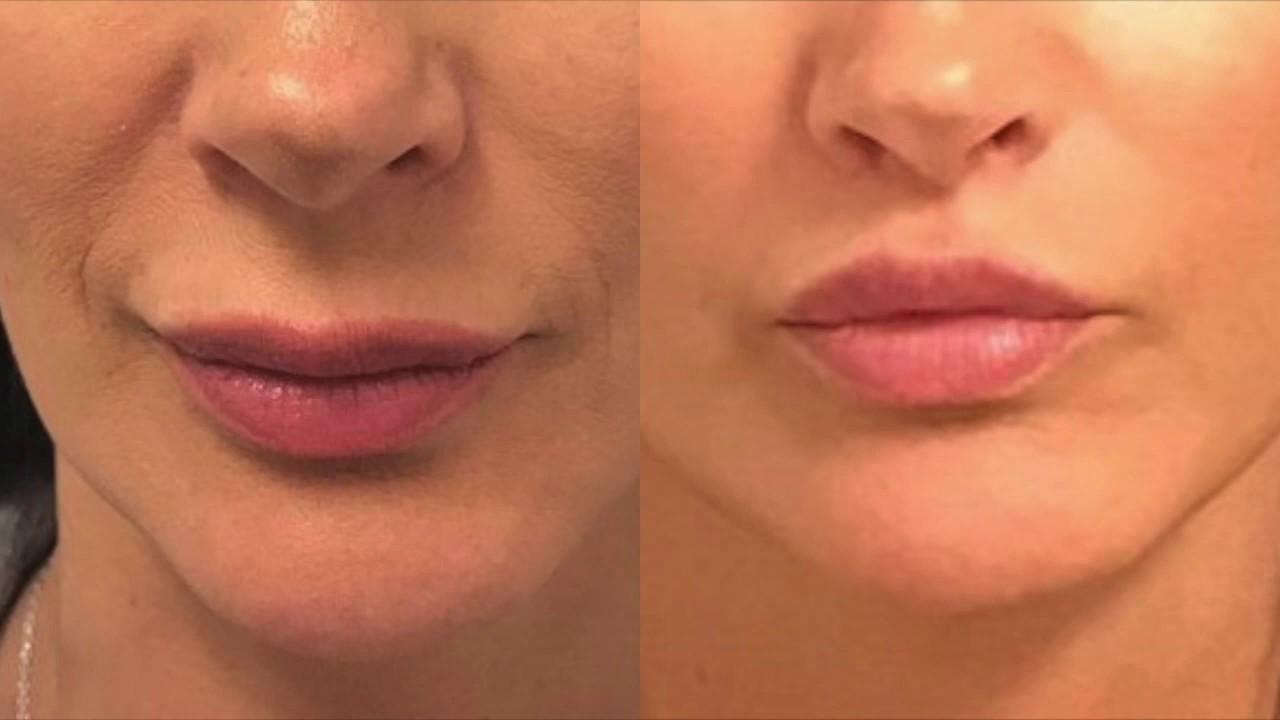
Because the incision for Lip Lift Surgery Riyadh is positioned in a prominent area at the base of the nose, scar management is the most critical component of the post-operative phase. In the Kingdom’s climate, where high UV exposure and dry air can challenge skin repair, a proactive approach to healing is essential. When performed with precision, the scar matures into a fine, nearly invisible line tucked into the natural nasal shadows.
Here is the expert-level guide to ensuring your incision heals flawlessly.
1. The "Tension-Free" Rule
The greatest enemy of a thin scar is tension. If the skin is pulled too tightly during movement, the body produces thicker scar tissue (fibrosis) to compensate, leading to a wider mark.
-
The First 14 Days: Avoid wide-mouthed expressions, heavy laughing, or shouting.
-
Avoid Straws: The "pursing" motion required to use a straw puts direct mechanical stress on the subnasal incision. Drink directly from a cup for the first two weeks.
-
Soft Foods: Stick to small, manageable bites that don't require you to open your mouth excessively.
2. Moisture is Mandatory
In the arid environment of Riyadh, a dry incision is a vulnerable incision. If a thick scab forms, it can act as a physical barrier that prevents skin cells from migrating and closing the gap smoothly.
-
Ointment Application: Keep the area continuously covered with a thin layer of prescribed antibiotic ointment or Aquaphor for the first 7–10 days. The goal is a "glistening" appearance at all times.
-
Gentle Cleaning: Use a sterile saline solution and a cotton swab to gently pat away any crusting. Never "pick" at the incision.
3. Advanced Scar Silicones
Once the sutures are removed and the incision is fully closed (usually around Day 10–14), you transition from "healing" to "remodeling."
-
Silicone Gel: Medical-grade silicone gel is the gold standard. It creates a protective barrier that mimics the skin's natural moisture levels, signaling the body to produce less collagen, which results in a flatter, softer scar.
-
Consistency: Apply the gel twice daily for at least 3 to 6 months. Consistency is more important than the brand of the product.
4. UV Protection: The Riyadh Essential
The sun in Saudi Arabia is intense enough to cause post-inflammatory hyperpigmentation (PIH). A healing scar is highly sensitive to UV rays; if exposed, it can turn permanently dark brown or purple.
-
Physical Blocks: Wear a wide-brimmed hat whenever you are outdoors during the first 3 months.
-
Sunscreen: Once the incision is closed, apply a mineral-based sunscreen (zinc oxide or titanium dioxide) daily, even if you are only indoors or in a car.
5. Professional Refinements (If Needed)
Sometimes, even with perfect care, a scar may need a professional "boost" to reach its full potential.
-
Laser Therapy: Pulsed-dye lasers (PDL) can be used 4–6 weeks post-op to remove the redness from a scar.
-
Microneedling: Once the scar is fully mature (6+ months), microneedling can help blend the texture of the scar with the surrounding skin.
-
Steroid Micro-Injections: If the scar shows signs of becoming raised (hypertrophic), a tiny dose of steroid can flatten it effectively.
Scar Healing Stages
| Timeline | Appearance | What to Do |
| Week 1 | Red/Purple line with sutures | Ointment and cleaning only. |
| Weeks 2–6 | Pink and slightly firm | Start silicone gel; strict sun protection. |
| Months 2–4 | Fading to light pink | Continue silicone; gentle scar massage. |
| Month 6+ | Pale white or flesh-toned | Final maturation; continue SPF. |
Pro Tip: When applying silicone gel or sunscreen, use your ring finger to "dab" the product on. Avoid rubbing or pulling the skin downward, which can distort the healing tissue.

 English
 Arabic
 Spanish
 Portuguese
 Deutsch
 Turkish
 Dutch
Dutch
 Italiano
 Russian
 Romaian
 Portuguese (Brazil)
 Greek
Greek