


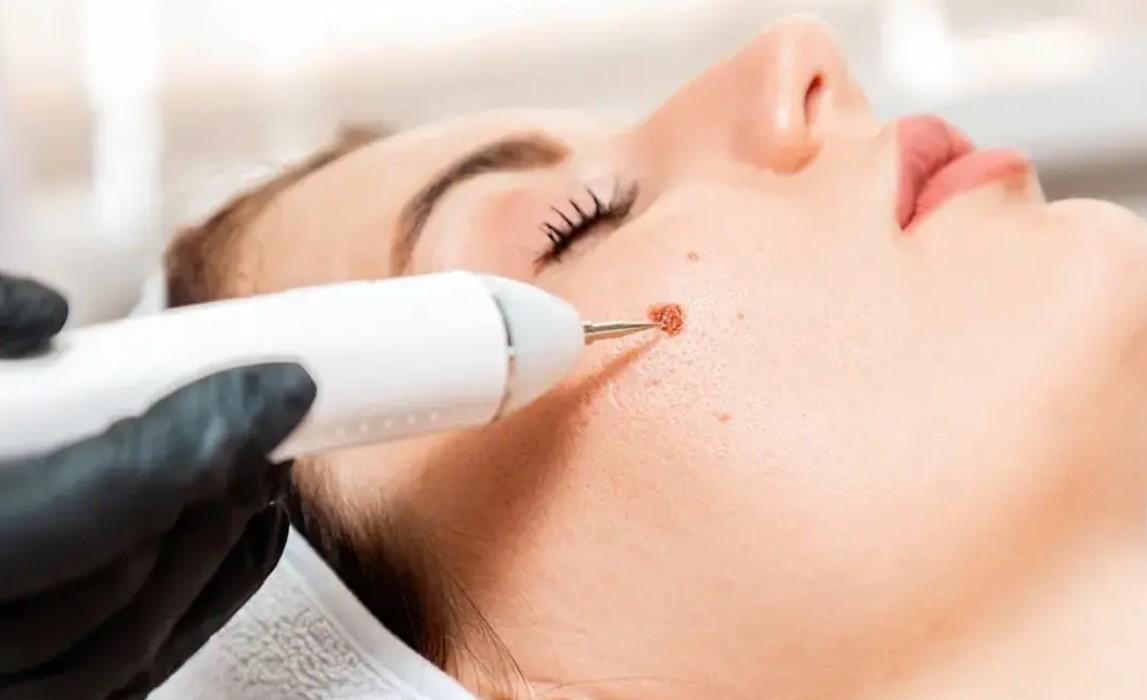
When Should You Consider Mole Removal in Riyadh?
Mole removal in Riyadh is a common dermatological procedure performed for both medical and cosmetic reasons. While many moles are harmless and remain unchanged throughout life, there are specific situations where removal becomes necessary or highly recommended. Understanding these situations helps patients make informed decisions and seek timely medical advice from qualified dermatologists. Mole Removal in Riyadh offers advanced solutions for safely and effectively enhancing your skin’s appearance.
In modern dermatology clinics in Riyadh, specialists carefully evaluate each mole before suggesting removal, ensuring that treatment is both safe and appropriate.
1. When a Mole Changes in Size, Shape, or Color
One of the most important reasons to consider mole removal is noticeable change over time. Dermatologists pay close attention to evolving moles because changes may indicate abnormal cell activity.
Warning signs include:
- Rapid increase in size
- Irregular or uneven borders
- Darkening or multiple color shades
- Changes in texture or elevation
Any evolving mole should be professionally examined, as it may require further testing or removal for safety.
2. When a Mole Follows the ABCDE Warning Signs
Dermatologists often use the ABCDE rule to assess whether a mole may be suspicious:
- A – Asymmetry: One half does not match the other
- B – Border: Irregular, blurred, or jagged edges
- C – Color: Uneven or mixed coloring
- D – Diameter: Larger than 6mm or growing
- E – Evolution: Any visible change over time
If a mole shows one or more of these features, removal and biopsy may be recommended to rule out skin cancer.
3. When a Mole Causes Physical Discomfort
Moles are sometimes located in areas where they experience repeated friction or pressure. This can lead to discomfort or irritation.
Common problematic locations include:
- Collar area (rubbing against clothing)
- Underwear line
- Shaving areas such as the face or neck
- Feet or hands
If a mole becomes painful, itchy, or frequently irritated, removal may be advised to prevent ongoing discomfort and skin damage.
4. When a Mole Bleeds or Becomes Injured Easily
A mole that bleeds without obvious injury or becomes easily damaged should be evaluated immediately. While not always dangerous, this can be a warning sign that requires medical attention.
Reasons for concern include:
- Spontaneous bleeding
- Crusting or oozing
- Slow healing after minor trauma
In such cases, dermatologists may recommend removal and laboratory testing to ensure safety.
5. When There Is Cosmetic Concern
Many people in Riyadh choose mole removal for aesthetic reasons. Facial or visible moles may affect confidence or personal appearance, even if they are medically harmless.
Cosmetic removal is commonly considered when:
- The mole is on the face or neck
- It affects self-confidence
- It is considered visually distracting
- It interferes with grooming (shaving or makeup application)
Modern techniques allow safe removal with minimal scarring, making cosmetic treatment a popular option.
6. When a Mole Has an Unusual Appearance
Even without changes over time, some moles appear atypical from the beginning. Dermatologists may recommend removal if a mole looks unusual compared to others on the body.
Suspicious characteristics include:
- Very dark or uneven pigmentation
- Irregular shape compared to surrounding moles
- Raised or rough texture that stands out
These moles are often examined more closely using dermatoscopy before deciding on removal.
7. When There Is a Family History of Skin Cancer
Individuals with a family history of skin cancer are often advised to monitor their moles more closely. In some cases, dermatologists may recommend preventive removal of suspicious moles.
This is especially important if:
- Multiple atypical moles are present
- There is a history of melanoma in the family
- New moles appear frequently
Early evaluation helps reduce long-term risk and ensures peace of mind.
8. When a Dermatologist Recommends It
The most important factor is professional medical advice. Dermatologists in Riyadh use tools like dermatoscopes and digital skin analysis to determine whether a mole should be removed.
A dermatologist may recommend removal for:
- Diagnostic biopsy
- Preventive safety reasons
- Cosmetic improvement
- Ongoing irritation or discomfort
Their evaluation ensures that the correct and safest approach is chosen.
Final Thoughts
Mole removal should be considered when a mole changes, causes discomfort, appears unusual, or raises medical concerns. It is also a valid option for cosmetic improvement when performed under professional guidance.
With advanced diagnostic tools and skilled dermatologists in Riyadh, mole assessment and removal are safe, precise, and tailored to each patient’s needs. Seeking early medical evaluation ensures both skin health and peace of mind.

 English
 Arabic
 French
 Spanish
 Deutsch
 Turkish
 Dutch
Dutch
 Italiano
 Russian
 Romaian
 Portuguese (Brazil)
 Greek
Greek