


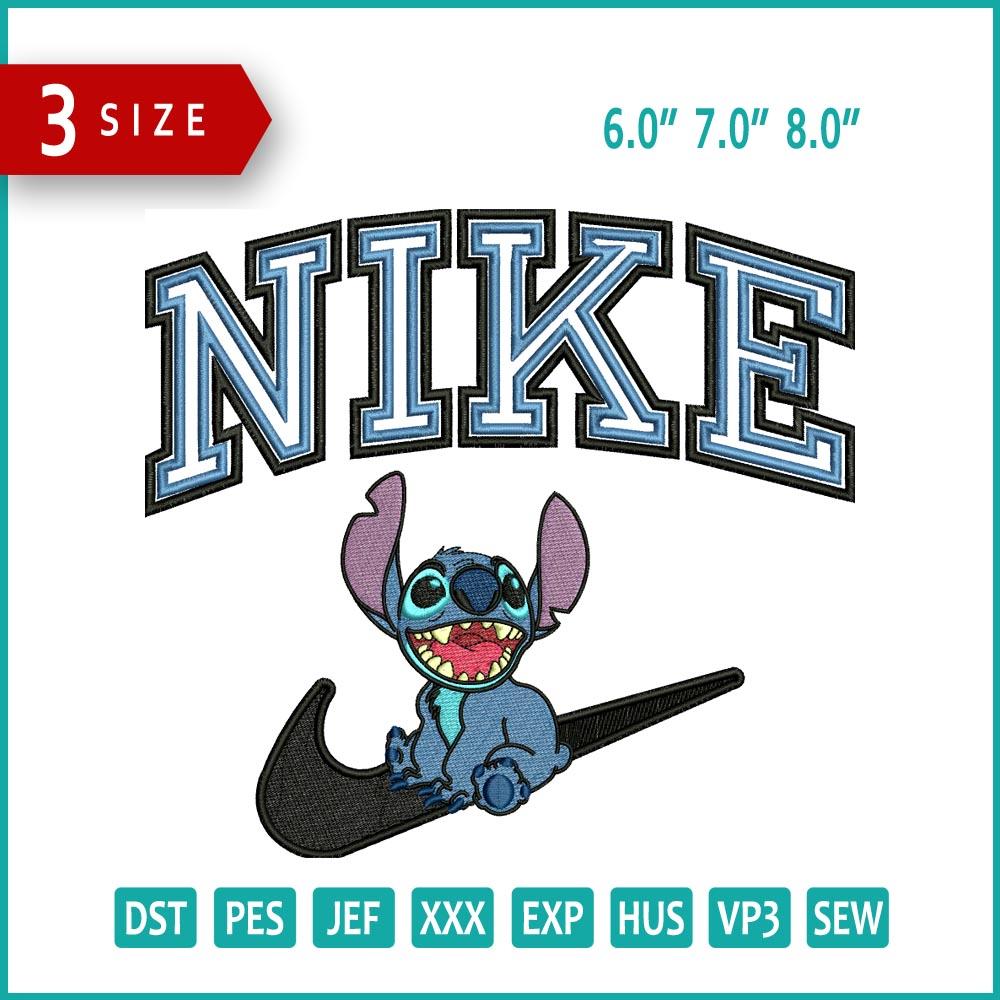
Machine embroidery is no longer just a technique—it is an ecosystem where digital design, fabric, machines, and creativity work together to produce stunning results. With access to constantly updated collections like the “new designs” section on online embroidery platforms, creators are now part of a fast-moving, innovation-driven environment. This blog explores machine embroidery designs through a unique ecosystem approach, helping you understand how each element connects to create high-quality embroidered products.
The Core of the Ecosystem: Digital Designs
At the center of machine embroidery lies the design file. This is the blueprint that drives the entire process. Unlike ordinary images, embroidery designs are built with technical precision.
They include:
- Stitch directions that guide movement
- Density levels that control coverage
- Thread sequences that organize colors
- Layering instructions for structure
These files act as the brain of the embroidery system, ensuring that every stitch is placed exactly where it should be.
The Input Layer: Choosing the Right Design
Every embroidery project begins with a choice. The design you select determines the direction of your project.
Online platforms provide access to thousands of designs, especially in “new designs” collections that reflect current trends. This allows creators to:
- Stay updated with modern styles
- Experiment with fresh ideas
- Save time by using ready-made patterns
The input stage is where creativity begins. A well-chosen design sets the tone for the entire project.
The Support System: Fabric and Stabilizers
Designs cannot exist without a proper foundation. Fabric and stabilizers form the support system of the embroidery ecosystem.
Fabric acts as the canvas, while stabilizers provide the strength needed to hold the design in place during stitching.
Different fabrics require different approaches:
- Lightweight fabrics need less dense designs
- Thick fabrics can handle more complex patterns
- Stretch fabrics require stronger stabilization
Choosing the right combination ensures that the design maintains its shape and quality.
The Engine: Embroidery Machines
The embroidery machine is the engine that brings designs to life. It reads the digital file and executes the instructions with precision.
Modern machines are equipped with advanced features such as:
- Automatic thread cutting
- Built-in design editing tools
- Multi-needle systems for efficiency
These features make the process faster and more accurate, allowing creators to focus on creativity rather than manual effort.
The Process Flow: From Setup to Stitching
The embroidery process follows a structured flow. Each step is connected, and skipping one can affect the final result.
The process includes:
- Selecting and downloading a design
- Preparing fabric and stabilizer
- Hooping the material securely
- Setting up threads and machine settings
- Running the embroidery process
- Finishing and cleaning the final product
This flow ensures consistency and reduces errors, making it easier to achieve professional results.
The Creative Layer: Customization and Innovation
Customization is where the ecosystem becomes truly dynamic. It allows creators to go beyond the original design and add their own touch.
You can:
- Change thread colors to match your theme
- Resize designs for different products
- Combine multiple designs into one
- Add text or personalized elements
This layer transforms standard designs into unique creations, giving each project its own identity.
The Output: Finished Embroidered Products
The final output is the result of all the elements working together. A well-executed embroidery project reflects:
- Quality of the design
- Accuracy of the machine
- Skill of the creator
Finished products can range from simple decorative pieces to complex commercial items. The possibilities are endless.
Real-World Applications
Machine embroidery is widely used across different industries, making it both a creative and practical skill.
In fashion, embroidery adds detail and uniqueness to garments.
In home décor, it enhances everyday items like cushions and curtains.
In gifting, it creates personalized products that carry emotional value.
In business, embroidery is used for branding through logos on uniforms and merchandise.
This versatility makes embroidery a valuable tool in multiple fields.
Challenges Within the Ecosystem
Like any system, the embroidery ecosystem has its challenges. Understanding these helps you maintain balance and achieve better results.
Common issues include:
- Thread breakage due to tension problems
- Fabric puckering from incorrect stabilizer use
- Misalignment caused by poor hooping
Each challenge is an opportunity to learn and refine your process.
Growth and Evolution
The embroidery ecosystem is constantly evolving. New technologies, design trends, and creative approaches continue to shape the industry.
To grow within this ecosystem:
- Stay updated with new design collections
- Experiment with different techniques
- Learn from mistakes and improve
- Explore new tools and software
Continuous learning is essential for staying relevant and competitive.
The Business Dimension
Machine embroidery is not just a creative outlet—it is also a business opportunity. With the demand for customized products increasing, embroidery services are more valuable than ever.
You can build a business by:
- Offering custom embroidery services
- Creating personalized products
- Selling embroidered items online
- Partnering with businesses for branding solutions
Success in this area requires consistency, quality, and creativity.
The Future of the Embroidery Ecosystem
The future of machine embroidery is driven by innovation. Advances in technology are making the process more efficient and accessible.
Future trends include:
- Smarter embroidery machines with advanced automation
- More detailed and complex design capabilities
- Increased demand for personalized products
- Expansion of online design platforms
These developments will continue to expand the possibilities of machine embroidery.
Conclusion
Machine embroidery designs are at the heart of a complex and dynamic ecosystem. From digital files to finished products, every element plays a role in creating high-quality embroidery.
By understanding this ecosystem, you can approach embroidery with a clearer perspective. It is not just about stitching—it is about managing a process that combines creativity, technology, and precision.
With access to modern online design collections and a willingness to learn, anyone can become part of this ecosystem and create something truly unique.
Machine embroidery is more than a craft—it is a complete creative system that continues to grow, evolve, and inspire.

 English
 Arabic
 French
 Spanish
 Deutsch
 Turkish
 Dutch
Dutch
 Italiano
 Russian
 Romaian
 Portuguese (Brazil)
 Greek
Greek