


Light is one of the most important elements of our daily life, yet we rarely stop to think about it. We simply flip a switch and expect our environment to be bright enough to work, read, or relax. But have you ever noticed how some offices feel draining, or how a dim kitchen makes preparing a meal a chore? The secret often lies in the quality and quantity of the light available. This is where lux testing becomes essential for creating comfortable and productive spaces.
Understanding What Lux Actually Is
To understand how we measure light, we first need to define the term lux. In simple language, one lux is equal to one lumen per square meter. If that sounds a bit too technical, think of it this way: a lumen is the total amount of light coming from a bulb, and a lux is how much of that light actually lands on a surface, such as your desk or your kitchen counter.
Why does this distinction matter? You could have a very bright bulb in the ceiling, but if it is too far away, hidden by a lampshade, or pointed in the wrong direction, the actual light hitting your workspace might be very low. Measuring light intensity ensures that the space is appropriately lit for the tasks you need to perform. It helps bridge the gap between having a light source and having a truly usable, well-lit environment.
Why We Need To Measure Our Light
We often take for granted that our eyes can adapt to different lighting conditions. However, constant strain caused by insufficient light can lead to headaches, fatigue, and a noticeable drop in productivity. Conversely, light that is far too intense can create glare, which is just as uncomfortable as being in the dark.
For businesses, this measurement is about safety and efficiency. Different industries have specific standards for how much light is required for various tasks. A warehouse where workers move heavy equipment requires very different lighting than a graphic design studio where color accuracy and fine detail are critical. For homeowners, it is about comfort. Achieving the right levels in your reading nook or your cooking area can transform how you feel in your own home. By taking the time to measure your levels, you can identify where you have dark corners and where you might be wasting energy by over-lighting a room.
How The Measurement Process Works
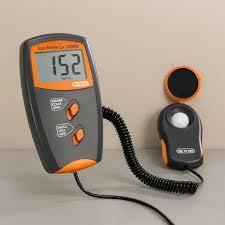
Measuring your light levels is not a complicated task, and it does not require an advanced degree in physics. The tool used is called a lux meter. It is a small, portable device with a light-sensitive sensor on top. When you hold it on a surface, it gives you a digital readout of the intensity at that exact spot.
When professionals perform light assessments, they do not just take one quick measurement in the middle of a room. Instead, they create a grid or a map of the area. They measure at every desk, near the doorways, and in the corners to see if the light is evenly distributed. This process is crucial because it reveals hot spots where light is concentrated and cold spots where it is lacking. It provides a complete picture of the lighting environment, rather than just a general idea.
Improving Your Environment Through Data
Once you have gathered your measurements, the path to improvement is usually straightforward. If your levels are too low, you have several options that do not necessarily involve tearing out your ceiling. Sometimes, simply upgrading your light bulbs to those with a higher lumen output makes the difference. Other times, the solution is about placement. Moving a desk closer to a window or adding a task light directly over a workspace can dramatically increase the amount of light where you need it most.
If you find that your levels are too high, or if you are dealing with uncomfortable glare, you might consider adding diffusers or shades to your light fixtures. These simple additions soften the light and spread it out more evenly, reducing the harsh contrast that often causes eye strain. The goal is to create a soft, uniform blanket of light rather than harsh pools of intense brightness.
The Human Factor Of Lighting
Lighting is not just about meeting a number on a chart. It is about how the space feels. During the day, our bodies rely on natural light to keep our internal clocks in sync. If you are working in a space that feels like a dungeon because the light is too low, your mood and energy levels will suffer. On the other hand, if you are working in a space that is overly clinical and bright, it can be hard to wind down and relax.
Good lighting design takes into account the time of day and the intended use of the room. It allows for flexibility. It might mean having overhead lights for general cleaning, but smaller, warmer lamps for evening relaxation. This layered approach is the hallmark of a space that truly works for the people inside it.
Taking Control Of Your Space
Investing time in measuring your light is a small effort that yields long-term rewards. Whether you are improving your home office, upgrading a warehouse, or simply trying to make your living room feel more welcoming, knowing the numbers allows you to make smart, effective choices. You no longer have to guess why a room feels off or why you feel tired after an hour of work.
Light is a fundamental part of our experience. It influences our health, our happiness, and our ability to get things done. By embracing the simple act of testing your environment, you are taking an active role in shaping your surroundings. You are building a space that supports your needs and allows you to thrive. So, take a look at where you spend your time, consider how the light hits your workspace, and start making those adjustments.

 English
 Arabic
 Spanish
 Portuguese
 Deutsch
 Turkish
 Dutch
Dutch
 Italiano
 Russian
 Romaian
 Portuguese (Brazil)
 Greek
Greek