


Post-Weight Loss Transformation: How a Body Lift Completes Your Journey
Losing a significant amount of weight is a monumental achievement that requires discipline, resilience, and a complete overhaul of one’s lifestyle. Whether achieved through rigorous exercise, dedicated nutritional changes, or bariatric surgery, shedding a large number of pounds is a victory for long-term health and mobility. However, for many individuals, the final reflection in the mirror doesn’t always match the hard work they have put in. Significant weight loss often leaves behind a heavy "apron" of excess skin that has lost its elastic ability to snap back to a smaller frame. For residents looking to bridge the gap between their weight loss success and their aesthetic goals, a Body Lift in Riyadh is often viewed as the definitive final step. This procedure allows individuals to finally see the results of their weight loss by removing the physical remains of their previous size and creating a firm, cohesive body contour.
The Challenge of Excess Skin
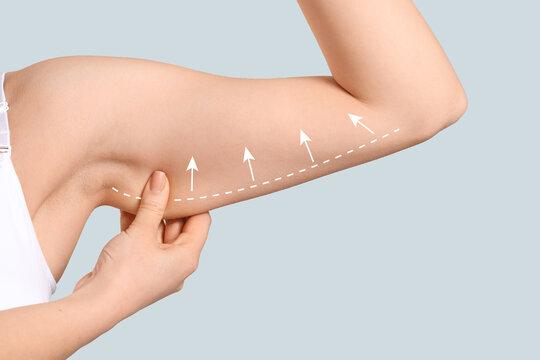
When the skin is stretched for a prolonged period, the collagen and elastin fibers within the dermis become damaged. Once the underlying fat is lost, the skin often lacks the structural integrity to shrink back down. This results in sagging folds around the midsection, thighs, buttocks, and arms. Beyond the aesthetic frustration, this excess tissue can cause functional issues. It can lead to persistent skin irritation, chafing, and even infections within the folds.
Furthermore, the weight of the redundant skin can be physically taxing, making certain exercises uncomfortable or causing back and posture issues. A body lift addresses these problems by surgically excising the redundant tissue and tightening the remaining skin, providing a functional relief that is just as important as the visual improvement.
What Does a Body Lift Entail?
A body lift is a comprehensive surgical approach rather than a localized treatment. While many are familiar with a tummy tuck, a body lift goes further by addressing the entire circumference of the lower or upper torso. In a lower body lift, the surgeon makes an incision that circles the waist, allowing for the lifting of the outer thighs and buttocks while simultaneously performing a high-tension abdominoplasty.
This 360-degree approach ensures that there is no "mismatch" between the front and back of the body. The goal is to create a smooth transition from the waist to the hips and down to the legs. The surgery is performed under general anesthesia and is tailored specifically to the patient’s unique anatomy and the areas where skin laxity is most prominent.
Timing Your Transformation
Determining the right time for a body lift is crucial for the longevity of the results. Surgeons generally recommend that patients reach a stable weight and maintain it for at least six to twelve months before undergoing the procedure. This "plateau" period ensures that the body is nutritionally optimized and that the results will not be compromised by further weight fluctuations.
If a patient continues to lose a significant amount of weight after a body lift, new areas of sagging skin may develop. Conversely, significant weight gain can stretch the newly tightened skin and potentially widen surgical scars. Being at a stable, healthy weight ensures that the surgery acts as a "finishing touch" rather than a temporary fix.
The Role of Liposuction in a Body Lift
While the primary focus of a body lift is the removal of skin, many procedures incorporate liposuction to achieve the best possible contour. Even after massive weight loss, some individuals have localized pockets of "stubborn" fat that are resistant to diet and exercise, particularly in the hips or lateral thighs.
By combining skin excision with liposuction, the surgeon can sculpt the underlying fat layer to create more defined curves and a more athletic appearance. This dual approach ensures that the skin doesn't just look tighter, but that the overall shape of the body is aesthetically pleasing and proportionate to the patient's new, smaller frame.
Navigating the Healing Process
Recovery from a body lift is a significant journey that requires a commitment to rest. Because the procedure involves long incisions, the body needs ample time to heal the various layers of tissue. Patients are typically required to wear medical-grade compression garments for several weeks. these garments play a vital role in controlling post-operative swelling and helping the skin conform to its new, tighter position.
During the first few weeks, movement will be slow, and activities like heavy lifting or intense cardio are strictly off-limits. Most people can return to sedentary work within three to four weeks, but it can take several months for the internal swelling to fully dissipate. It is a period of gradual discovery, as the final results emerge more clearly each week as the body heals.
Reclaiming Confidence and Quality of Life
The psychological impact of a body lift is often what patients value the most. For many, the excess skin was a constant reminder of their past struggles with weight. Removing it allows for a sense of closure and a true "new beginning." Being able to wear fitted clothing, participate in sports without discomfort, and feel confident in social situations provides a profound boost to self-esteem.
Ultimately, a body lift is about more than just "looking better." it is about completing a health journey that began with the decision to lose weight. By aligning the physical body with the healthy lifestyle the patient has worked so hard to achieve, the procedure provides the final piece of the puzzle, allowing them to live their life to the fullest with a body that feels truly their own.

 English
 Arabic
 French
 Spanish
 Portuguese
 Deutsch
 Turkish
 Dutch
Dutch
 Italiano
 Romaian
 Portuguese (Brazil)
 Greek
Greek