


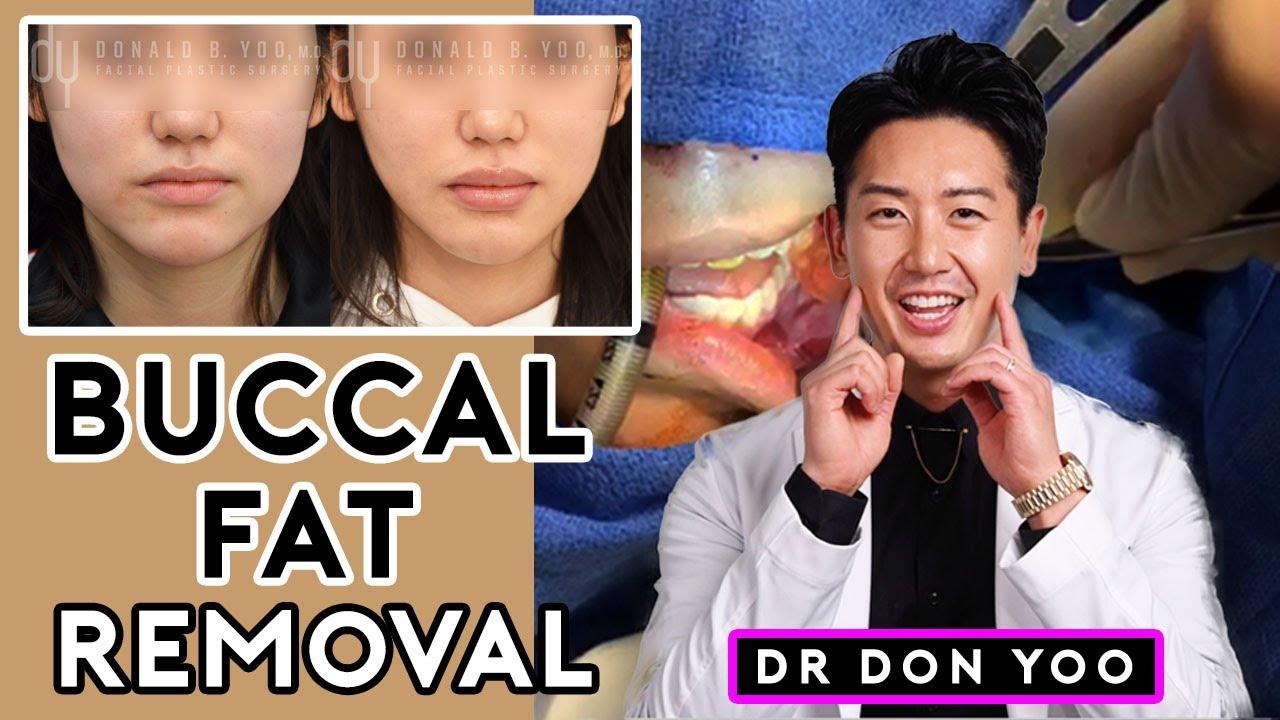
Is Buccal Fat Removal Right for You? A Riyadh Patient's Guide
Deciding to undergo a cosmetic procedure is a significant step that requires a balance of aesthetic goals and anatomical reality. For those considering Buccal Fat Removal in Riyadh, the primary motivation is often the desire to transition from a soft, rounded facial appearance to one that is more structured and contoured. While the procedure has gained immense popularity for its ability to create "model-like" cheekbones, it is not a one-size-fits-all solution. Determining candidacy involves understanding how the fat pads interact with your unique bone structure and how your face is likely to change over the coming decades.
Identifying the Ideal Candidate
The most successful outcomes for cheek reduction surgery occur in patients who have a specific type of facial fullness. This fullness is typically characterized by a "heaviness" in the lower cheek area that does not disappear even with weight loss. Because the buccal fat pad is a distinct pocket of fat, it is often resistant to diet and exercise.
-
Distinguishing Fat from Muscle: Some individuals believe they have excess cheek fat when, in reality, they have overdeveloped masseter (jaw) muscles. A specialist can help determine if your facial width is due to the fat pad or muscle bulk.
-
Age Considerations: Timing is everything. Most experts suggest waiting until your mid-twenties at the earliest. This is because the face naturally loses volume as we age; removing fat too early can lead to a prematurely aged or gaunt look in later years.
-
Realistic Expectations: It is important to understand that this procedure enhances what is already there. It reveals the underlying bone structure but does not change the shape of the bones themselves.
The Consultation Process
The journey begins with a thorough consultation where your facial harmony is analyzed from every angle. During this session, several factors are weighed to ensure the procedure will yield a positive, long-term result.
Specialists look at the "triangle of beauty"—the relationship between the cheekbones, the mid-face, and the jawline. If you already have very thin or narrow features, removing the buccal fat might make the face look tired rather than rejuvenated. Conversely, for those with a square or round face and prominent buccal pads, the procedure can provide a much-needed lift and sense of balance. You will likely be asked about your medical history, any previous facial treatments, and your specific aesthetic concerns.
What the Procedure Entails
Once you are cleared for the procedure, the process is remarkably straightforward. It is performed through the inside of the mouth, meaning there are no external scars to worry about. A small incision—usually only about one to two centimeters—is made in the lining of the cheek. Through this gap, the fat pad is identified and a portion of it is removed.
The surgery typically takes about 30 to 45 minutes. Most patients opt for local anesthesia with light sedation, allowing for a quick recovery and the ability to return home shortly after the treatment is finished. Because the incisions are inside the mouth, they are closed with dissolvable sutures, eliminating the need for a follow-up visit to remove stitches.
Recovery: The First 72 Hours
The immediate recovery period is focused on managing minor discomfort and preventing infection. Because the incisions are oral, maintaining a high standard of oral hygiene is paramount.
-
Oral Rinses: You will be instructed to use an antiseptic mouthwash several times a day, especially after eating, to keep the surgical sites clean.
-
Soft Diet: For the first three to five days, a diet of cool, soft foods—such as yogurt, smoothies, and mashed vegetables—is recommended to avoid trauma to the incision sites.
-
Swelling and Bruising: While bruising is rare, swelling is common. It usually peaks around the second or third day before gradually subsiding. Using cold compresses on the exterior of the cheeks can significantly help manage this.
Long-Term Outcomes in the Local Context
Living in a vibrant, fast-paced environment like Riyadh means many patients are looking for procedures with minimal downtime that offer lasting results. Buccal fat removal fits this profile perfectly. Once the fat is removed, it does not return, providing a permanent change to the facial silhouette.
However, the "final" look is a slow reveal. It takes time for the skin and underlying tissues to settle into the newly created space. Most patients start seeing a noticeable difference at the one-month mark, with the most defined results appearing between three and six months post-surgery. During this time, the lower face will appear slimmer, the cheekbones will seem more elevated, and the entire facial profile will look more athletic.
Risks and Safety Standards
While considered a low-risk procedure, it is still surgery and should be treated with respect. Potential risks, though uncommon, include infection, temporary numbness in the cheek area, or asymmetry if the fat is not removed evenly from both sides. Choosing a highly experienced specialist who understands the complex anatomy of the facial nerves and saliva ducts that reside near the buccal fat pad is the best way to mitigate these risks.
It is also vital to consider the long-term aging process. A conservative approach is usually best; removing a moderate amount of fat preserves enough volume to ensure the face looks healthy and vibrant as you get older.
Final Thoughts on Personal Choice
Ultimately, the decision to pursue buccal fat removal is a personal one. It is a powerful tool for those who feel their facial features are hidden behind "full" cheeks and who want a more mature, defined aesthetic. By consulting with a qualified professional and understanding the nuances of the procedure, you can determine if this path aligns with your vision for your appearance. When the right candidate meets the right technique, the result is a sophisticated, natural-looking enhancement that highlights your best features.

 English
 Arabic
 French
 Spanish
 Portuguese
 Deutsch
 Turkish
 Dutch
Dutch
 Italiano
 Russian
 Romaian
 Portuguese (Brazil)