


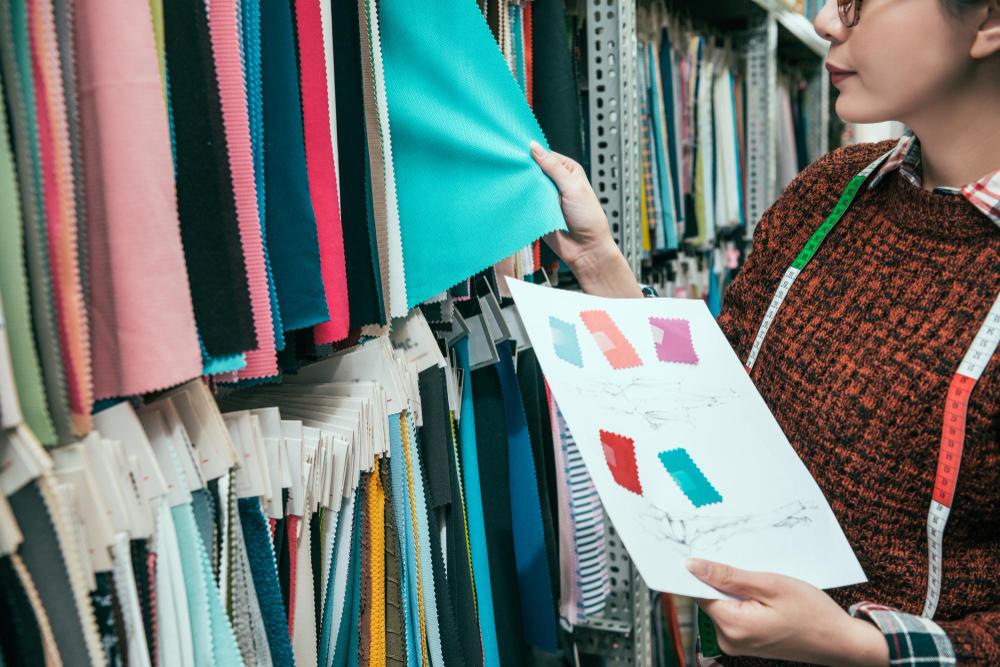
The fabric manufacturing industry is undergoing a massive shift. Older, labor-intensive methods of dyeing and printing are giving way to advanced digital solutions. This shift allows fashion brands and designers to produce high-quality garments faster and with less waste. When it comes to sourcing these materials, Fabriclore Pvt Ltd stands at the top. Recognized as one of the best local and online stores and suppliers, Fabriclore delivers fully customized fabric at low minimum order quantities (MOQs) to fashion businesses globally.
If you want to scale your fashion brand, understanding how digital printing works gives you a sharp competitive edge. This post breaks down the mechanics, advantages, and environmental benefits of digital fabric printing. You will also learn the exact steps to buy fabric online efficiently and securely.
The Mechanics of Digital Fabric Printing: How it Works
Digital fabric printing functions much like a standard home inkjet printer, but on a massive, industrial scale. Instead of paper, these machines feed large rolls of fabric through the system.
The process involves three main steps:
-
Pre-treatment: Manufacturers treat the raw fabric with liquid solutions. This step ensures the ink binds properly to the fibers.
-
Printing: High-precision print heads spray microscopic droplets of ink directly onto the fabric. The machines read digital design files and apply the exact colors required.
-
Fixation: After printing, the fabric undergoes a fixation process using steam or dry heat. This locks the colors into the fibers, ensuring the design does not wash out or fade.
This streamlined workflow eliminates the need for bulky rotary screens, drastically cutting down setup times.
Advantages of Digital Printing for Custom Fabrics
Switching to digital printing offers major operational and financial benefits for clothing labels.
-
Low Minimum Order Quantities (MOQs): Screen printing requires large production runs to justify setup costs. Digital printing allows suppliers like Fabriclore to offer low MOQs. You can order exactly what you need, reducing excess inventory.
-
Rapid Turnaround Times: Digital files go straight to the printer. This skips the lengthy screen-making process, allowing brands to move from the design phase to the final product in a matter of days.
-
Cost Efficiency: Without the need for physical screens and excessive manual labor, digital printing lowers the overall cost per unit on smaller runs. You get a premium product without the massive upfront investment.
Impact on Design and Creativity in Fabric
Designers no longer face the physical limitations of older printing methods. Digital technology removes boundaries on creativity and pattern complexity.
-
Unlimited Colors: Screen printing limits you to a set number of colors per design. Digital printing applies millions of colors simultaneously. You can achieve photographic quality and seamless gradients.
-
Intricate Detailing: High-resolution print heads capture the sharpest lines and the smallest geometric patterns flawlessly.
-
Instant Prototyping: Designers can print a small sample of a custom printed fabric, review the physical product, tweak the digital file, and reprint immediately. This agile approach accelerates the entire design cycle.
Digital Printing's Role in Sustainable Fabric Production
Sustainability remains a massive priority for modern fashion brands. Digital printing provides a highly eco-friendly alternative to conventional fabric dyeing.
-
Reduced Water Consumption: Rotary screen printing uses thousands of gallons of water to wash screens between color changes. Digital printing applies ink directly to the material, cutting water usage by up to 90%.
-
Less Chemical Waste: The digital process deposits exact amounts of ink. This precision means there is virtually no excess dye left over to pollute local waterways.
-
Energy Efficiency: Digital printers require less electricity to operate compared to massive, multi-stage screen printing setups.
How to Buy Custom Printed Fabric Online: A Guide
Sourcing fabric used to require expensive trips to overseas trade shows. Now, tech-enabled platforms make it incredibly simple to Buy Fabric Online. Follow these straightforward steps to secure the best materials for your brand.
Step 1: Prepare Your Design Files
Ensure your digital patterns are high-resolution (at least 300 DPI) and saved in the correct format, such as TIFF or AI. Seamless repeating patterns yield the best results for clothing production.
Step 2: Choose the Right Base Fabric
Select a base material that suits your end product. Suppliers like Fabriclore offer a vast catalog, including Cotton, Viscose, Linen, Liva, Tencel, Ecovero, and Silk. Consider the drape, weight, and stretch of the material before making your choice.
Step 3: Select a Trusted Supplier
Partner with a supplier that offers transparent pricing, excellent customer support, and on-time delivery. Fabriclore Pvt Ltd provides an unmatched wholesale price and acts as a trusted partner for over 400 private labels globally.
Step 4: Order a Sample
Never commit to a bulk order without testing the fabric first. Request a sample yard of your custom printed fabric. Check the color accuracy, ink penetration, and overall feel of the material.
Step 5: Place Your Bulk Order
Once you approve the sample, finalize your bulk order. Reliable online suppliers provide a streamlined dashboard to track your order from production to delivery.
The Future of Custom Fabric with Digital Printing
The digital fabric printing market continues to expand. Machine manufacturers are developing faster print heads, allowing digital systems to match the massive output speeds of older rotary machines. Ink formulations are also improving, resulting in brighter colors and stronger UV resistance.
Artificial intelligence now plays a role in pattern generation and color matching. Software algorithms predict how specific inks will react with different base fabrics, reducing trial-and-error sampling. As these technologies mature, digital printing will become the undisputed standard for all textile manufacturing.
The Digital Shift in Fabric Manufacturing
Digital printing provides fashion businesses with unparalleled speed, precise color accuracy, and highly sustainable production methods. By eliminating massive setup costs and high MOQs, brands of all sizes can now produce premium garments efficiently.
To take full advantage of this technology, partner with industry leaders. Visit Fabriclore Pvt Ltd today to source your custom printed fabric. With their tech-enabled platform and commitment to low MOQs, you can streamline your supply chain and bring your next clothing collection to market faster than ever before.

 Arabic
 French
 Spanish
 Portuguese
 Deutsch
 Turkish
 Dutch
Dutch
 Italiano
 Russian
 Romaian
 Portuguese (Brazil)
 Greek
Greek