


There’s a certain image most people carry when thinking about shotguns—wooden stocks, long barrels, maybe something passed down through generations. Solid. Familiar. Predictable. But place one of those next to a newer model, especially something often described as a shotgun with a clip, and the contrast becomes hard to ignore.
Something has clearly changed. Not just in appearance, but in how these firearms are built, handled, and even understood.
The Shift in Feeding Systems
Traditional shotguns rely on tubular magazines, usually tucked beneath the barrel. It’s a system that has worked for decades. Load shells one by one, cycle them through, repeat when empty. Slow, but steady.
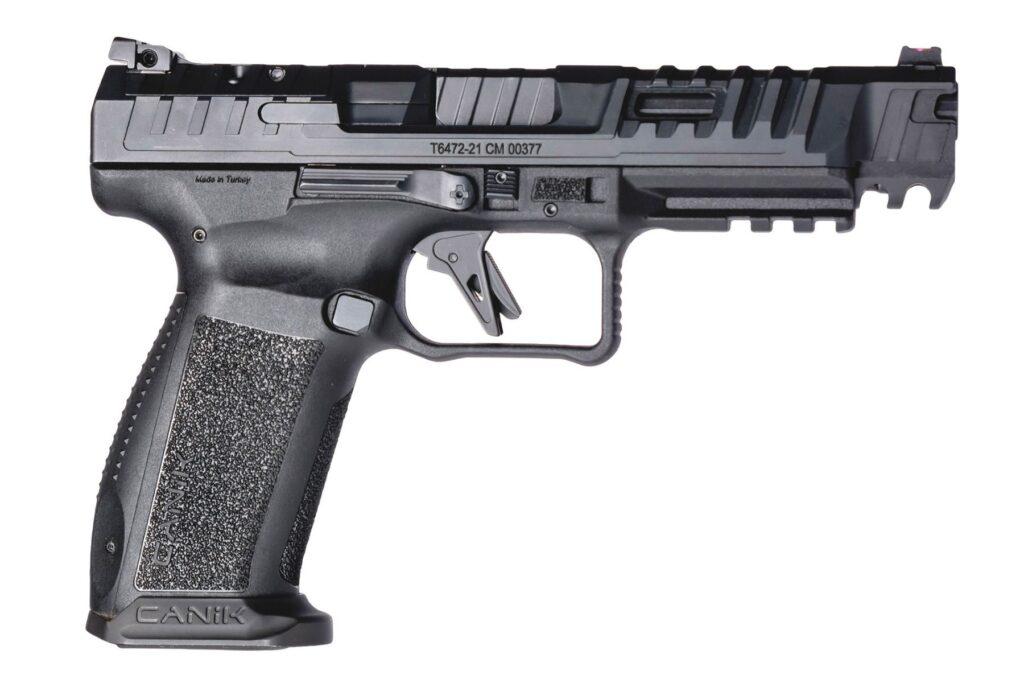
Modern designs experiment with detachable magazines—what many casually call a “clip,” even if that term isn’t technically precise. The difference shows up in speed. Reloading becomes quicker, more direct. Instead of feeding shells individually, a pre-loaded magazine swaps in.
That change isn’t just about convenience. It reflects a shift in use cases. Situations where time matters more than tradition.
Still, not everyone prefers it. Some find the older system more reliable, less prone to mechanical quirks. Fair point.
Materials: From Wood to Composites
Pick up a traditional shotgun, and there’s usually wood involved. Walnut stocks, polished finishes. There’s weight to it, both physical and aesthetic.
Modern shotguns lean toward synthetic materials—polymer stocks, aluminum components, coatings designed to resist wear. It’s less about looks and more about function. Lighter weight. Better resistance to weather. Easier maintenance.
Does it lose some character? Maybe. But it gains practicality.
And in rough conditions, practicality tends to win.
Ergonomics and Adjustability
Older designs were built with a more uniform user in mind. One size, more or less, fits all. It worked, but not perfectly.
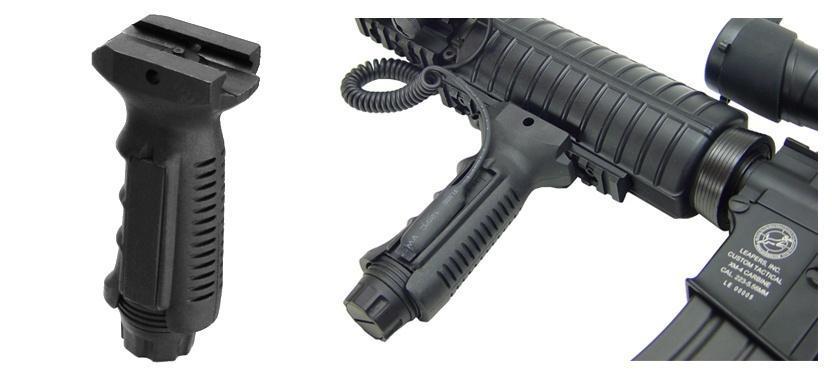
Modern shotguns approach ergonomics differently. Adjustable stocks, customizable grips, rails for accessories. The idea is simple: adapt the firearm to the user, not the other way around.
It changes how the shotgun feels in use. Better control, improved comfort, more consistent handling. Small adjustments, noticeable impact.
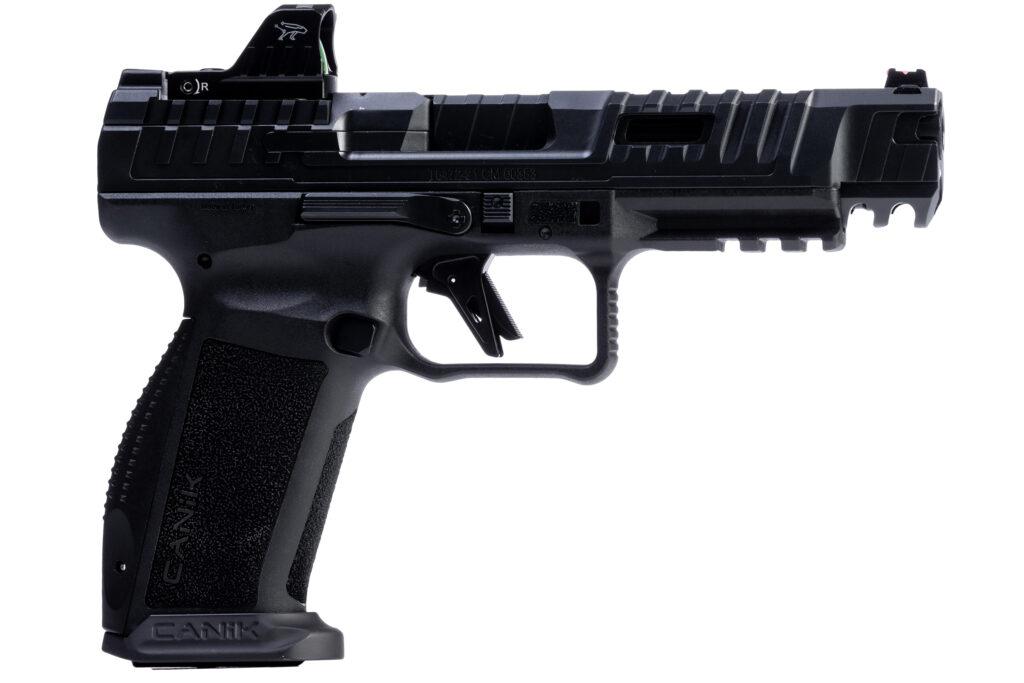
Ever handled something that just fits better? Same concept.
Purpose Has Expanded
Traditional shotguns were often tied to specific roles—hunting, sport shooting, maybe basic home defense. Clear boundaries.
Modern versions blur those lines. Tactical applications, competitive shooting, specialized use cases. Designs now reflect a broader range of needs.
This doesn’t make older models obsolete. It just means the landscape has widened.
More options. More decisions.
Capacity and Reload Dynamics
Tubular magazines typically limit capacity. A few shells, sometimes extended slightly, but still within a certain range.
Magazine-fed systems push those limits. Higher capacity, faster reload cycles. It changes how the shotgun operates in extended scenarios.
That said, increased capacity isn’t always necessary. For many users, the traditional limit is more than enough. The added complexity of detachable systems can feel unnecessary.
So the question becomes less about capability and more about context.
Maintenance and Reliability
Older shotguns have a reputation—simple, rugged, hard to break. Fewer moving parts, fewer things to go wrong.
Modern designs introduce more components. Detachable magazines, additional rails, adjustable features. With that comes a slight increase in maintenance needs.
Not a flaw, exactly. Just a trade-off.
Well-maintained modern shotguns perform reliably. Neglect them, and issues appear faster than with older models. It’s a different kind of responsibility.
Aesthetic and Cultural Differences
There’s also something less technical at play—perception.
Traditional shotguns carry a sense of heritage. They look familiar, even to those who don’t use them. Modern designs, especially those with tactical features, feel different. More industrial. More purpose-built.
Reactions vary. Some appreciate the evolution. Others prefer the classic look.
Neither is wrong. It’s more about what feels right to the individual.
Accessories and Customization
This is where modern designs pull ahead clearly. Accessory compatibility has become a major part of the experience.
Rails allow for optics, lights, grips. Stocks can be swapped. Components adjusted. It turns the shotgun into something more modular.
That flexibility ties directly into the growing market for gun accessory supply, where users can tailor setups based on specific needs. It’s less about buying a finished product and more about building one over time.
Traditional shotguns, in contrast, remain more fixed in their configuration. Simpler, but less adaptable.
Final Thoughts: Evolution, Not Replacement
It’s tempting to frame this as old versus new. But that misses the point.
Modern shotguns haven’t replaced traditional designs—they’ve expanded what’s possible. Different tools for different situations. Different preferences, shaped by experience and purpose.
Some will always prefer the simplicity and feel of older models. Others lean toward the flexibility and speed of newer systems. Both perspectives hold weight.
Because in the end, it’s not just about design. It’s about how that design fits into real use—and that part, as always, depends.

 English
 Arabic
 French
 Spanish
 Portuguese
 Deutsch
 Turkish
 Dutch
Dutch
 Italiano
 Russian
 Portuguese (Brazil)
 Greek
Greek