


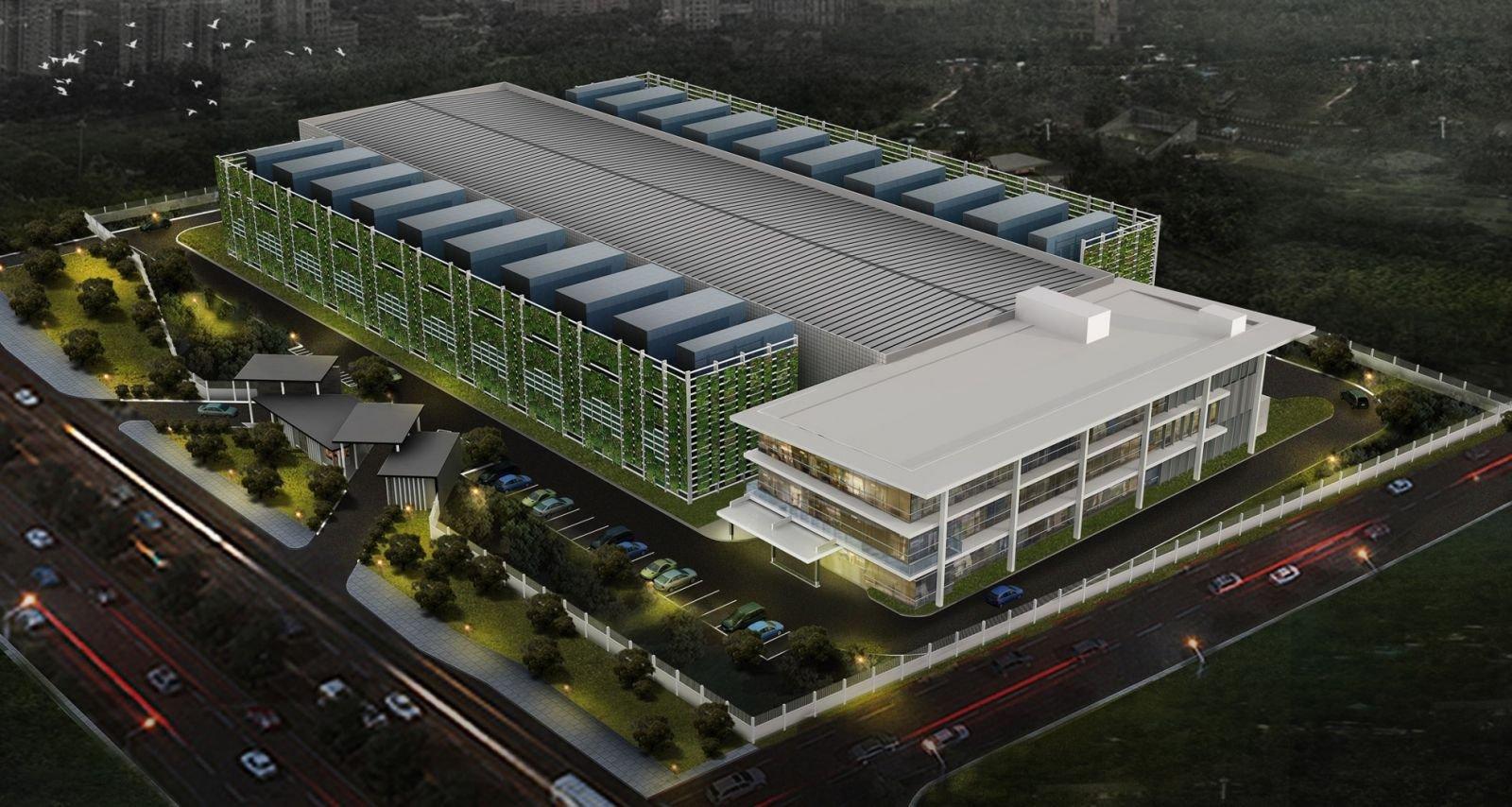
In today’s digital-driven world, data centres are the backbone of businesses, supporting everything from cloud computing to data storage and online services. Building a data centre is a complex process that requires strategic planning, technical expertise, and careful execution. From initial concept to final deployment, each step plays a crucial role in ensuring efficiency, scalability, and reliability.
1. Defining Objectives and Requirements
The first step in building a data centre is understanding the purpose it will serve. Organizations must define their goals, such as storage capacity, processing power, redundancy, and scalability. Identifying business needs, compliance requirements, and future growth expectations helps shape the entire project.
2. Site Selection and Feasibility Analysis
Choosing the right location is critical. Factors such as access to power, connectivity, climate, and risk of natural disasters must be considered. A feasibility study evaluates land availability, infrastructure support, and regulatory requirements to ensure the site is suitable for long-term operations.
3. Designing the Data Centre
The design phase involves creating a blueprint that includes layout, power distribution, cooling systems, and network architecture. Efficient space utilization, airflow management, and redundancy planning are key elements. Designers also consider tier classifications to determine reliability and uptime standards.
4. Power Infrastructure Planning
Reliable power supply is essential for uninterrupted operations. Data centres require robust electrical systems, including backup generators, uninterruptible power supplies (UPS), and redundant power feeds. Proper power planning ensures continuous operation even during outages.
5. Cooling and Environmental Control
Data centres generate significant heat, making cooling systems a top priority. Advanced cooling solutions such as precision air conditioning, liquid cooling, and hot/cold aisle containment are used to maintain optimal temperatures. Efficient cooling reduces energy consumption and extends equipment lifespan.
6. Network and Connectivity Setup
High-speed and reliable connectivity is crucial for data centre performance. This step involves setting up fiber-optic networks, routers, switches, and redundant connections to ensure minimal latency and maximum uptime. Strong network architecture supports seamless data flow and scalability.
7. Security Implementation
Physical and cybersecurity measures are essential to protect sensitive data. This includes access control systems, surveillance cameras, fire detection systems, and cybersecurity protocols. A multi-layered security approach helps safeguard the facility from threats and breaches.
8. Construction and Installation
Once planning and design are finalized, construction begins. This phase includes building the facility, installing electrical and mechanical systems, and setting up IT infrastructure such as servers and storage units. Close monitoring ensures that construction aligns with design specifications.
9. Testing and Commissioning
Before deployment, all systems must be thoroughly tested. This includes power systems, cooling efficiency, network performance, and security measures. Commissioning ensures that the data centre operates as intended and meets performance standards.
10. Deployment and Ongoing Maintenance
After successful testing, the data centre becomes operational. However, ongoing monitoring and maintenance are essential to ensure optimal performance. Regular upgrades, system checks, and performance evaluations help maintain efficiency and support future growth.
Conclusion
Building a data centre is a multi-step process that requires careful planning, advanced technology, and expert execution. From defining objectives to deployment and maintenance, each stage plays a vital role in creating a reliable and scalable infrastructure. By following these key steps, organizations can build data centres that meet current demands while being prepared for future technological advancements.

 English
 Arabic
 French
 Portuguese
 Deutsch
 Turkish
 Dutch
Dutch
 Italiano
 Russian
 Romaian
 Portuguese (Brazil)
 Greek
Greek